Louis Schweitzer, the man who changed the destiny of Renault Group
Published on
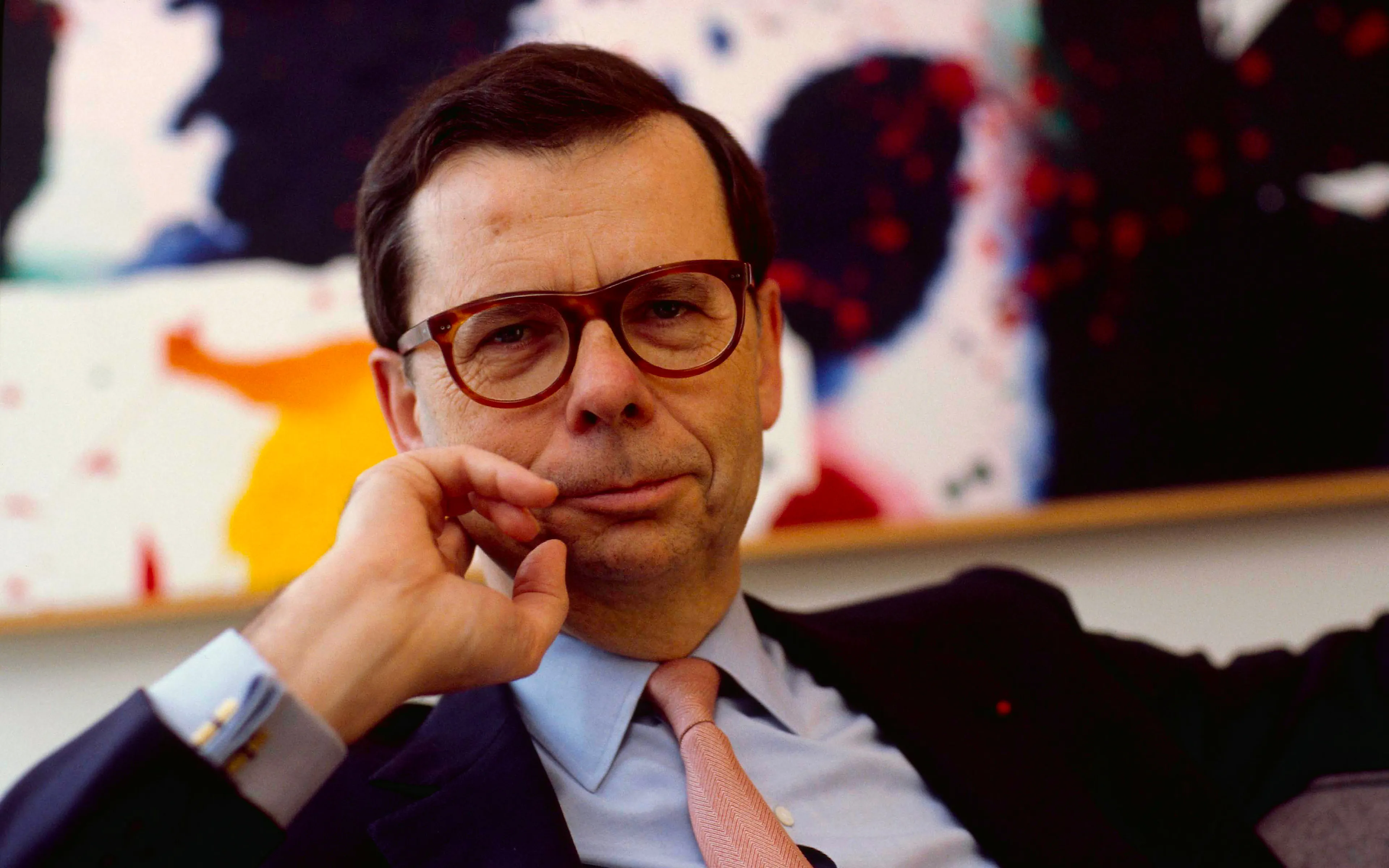
On April 7, 2026, Renault Group gave a new name to one of its most iconic sites: Le Mans is now the “Louis Schweitzer Manufacture.” A powerful gesture, six months after the passing of its former Chairman and CEO, to honor the man who profoundly transformed the company. A strategist and builder, but also a man of conviction and dialogue, Louis Schweitzer leaves a lasting imprint on the Group’s history, as well as on that of the automotive industry.
Key Takeaways
- On April 7, 2026, the Le Mans site becomes the “Louis Schweitzer Manufacture – Le Mans.”
- A tribute to a leader who profoundly transformed Renault Group between 1992 and 2005.
- Architect of the Group’s modernization, privatization and international expansion.
- Initiator of the Alliance with Nissan and the visionary bet on Dacia.
- Instrumental in positioning Le Mans as a global center of excellence for chassis engineering.
- A leader recognized for his human-centered management style, built on trust and dialogue.
The man who changed the scale of Renault Group
Some leaders guide their companies. Louis Schweitzer, however, profoundly transformed his. When he took the helm of Renault Group in 1992, the automotive world was undergoing major change. Globalization was accelerating, alliances were becoming strategic and markets were being reshaped. He looked further ahead than others and, above all, took action.
Under his leadership, Renault changed scale. The company, still marked by its status as a state-owned enterprise, became an international, agile and competitive group. The 1996 privatization marked a decisive turning point: it gave Renault the means to match its ambitions and firmly anchored it in a globalized economy.
Louis Schweitzer went even further: he redefined Renault’s place in this new world.
In 1999, he made a bold move: the Alliance with Nissan. At the time, few truly believed in it. Today, this model of industrial cooperation remains a benchmark. In the same momentum, he opened Renault to new horizons: South Korea with Samsung Motors, Latin America, India… The Group became a global player.
And then there was Dacia. Undoubtedly one of his most brilliant insights. With the Logan, he brought to life a simple yet powerful idea: making mobility accessible to as many people as possible. A vision that still resonates today throughout the Group’s strategy.
Louis Schweitzer also embodied a bold product policy. Under his leadership, models that would become iconic were launched: Twingo, Mégane Scénic, Kangoo… Vehicles that shaped trends and left a lasting mark on their era.

Signing of the Renault Group–Nissan agreement with Yoshikazu Hanawa (1999)

Press conference for the launch of the Alliance in Tokyo, with Yoshikazu Hanawa (1999)


As François Provost, CEO of Renault Group, summed it up during the Le Mans ceremony, he is “the one who brought Renault into the 21st century.”
Le Mans, at the heart of its industrial heritage
In the late 1990s, Louis Schweitzer made a structuring decision for the Group: to consolidate all chassis-related expertise in Le Mans. Engineering, prototyping, testing, production… everything was brought together on a single site. A rare industrial vision, based on integration and technological mastery. The creation of Auto Chassis International (ACI) in 1999 laid the foundations for a unique model in the automotive industry, combining performance, competitiveness and innovation.
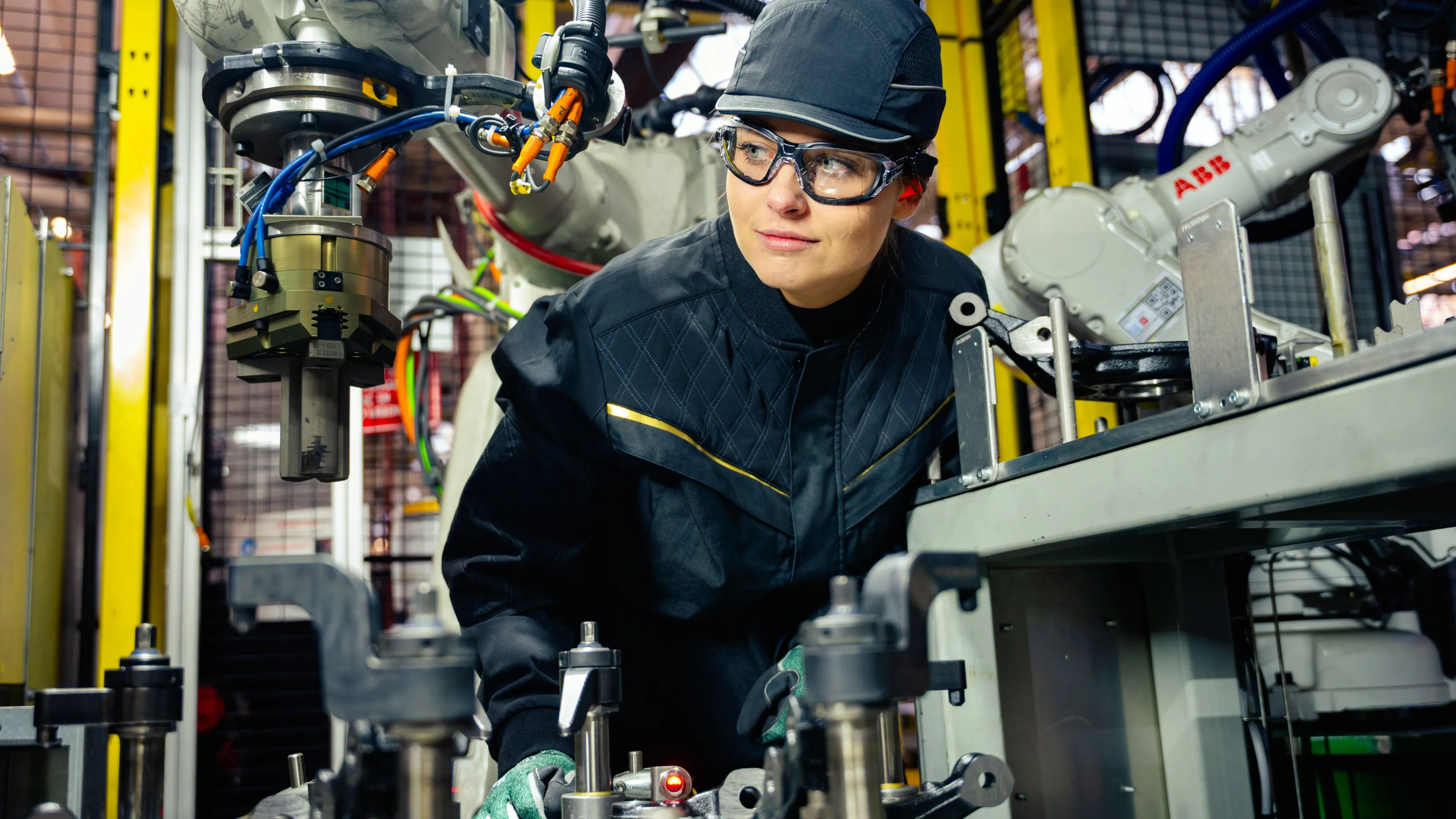
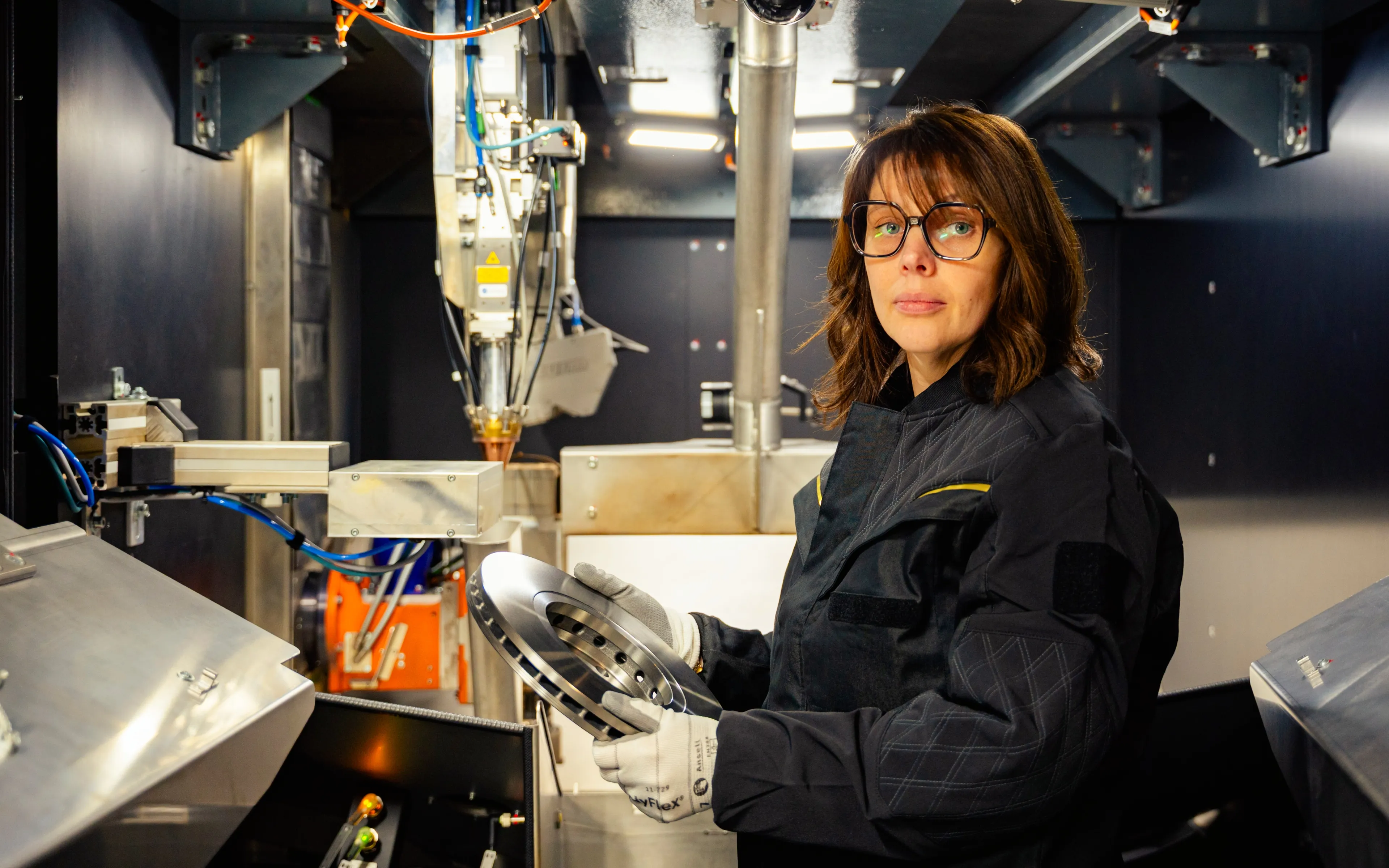
Today, Le Mans has become a globally recognized center of excellence for chassis. A complete ecosystem where cutting-edge engineering, automated production and technological innovations converge, from laser cladding to automated bin picking, as well as machining inspection powered by artificial intelligence.
A site that is both the heir to a century-old history and firmly focused on the mobility of tomorrow. In many ways, it reflects his legacy. Giving his name to this site is therefore far from insignificant, it is simply self-evident.
A distinctive leader, balancing high standards and humanity
Behind the strategist, there was a man. And perhaps that is where one of his greatest singularities lies.
Louis Schweitzer was not a flamboyant leader. No grand gestures, no posturing, just a disarming sobriety. Yet he possessed sharp intelligence, a rare ability to make decisions and above all, to bring people along with him.
His management style was built on a subtle balance between high standards and listening. He deeply believed in delegation, individual responsibility and collective intelligence.
During the many periods of transformation the company went through, he prioritized dialogue, transparency and consultation, an approach that helped establish a lasting climate of trust within Renault Group.
This sense of human relationships is something all who worked with him still speak of today, along with his courtesy, precision and respect for others. A leader capable of combining industrial performance with genuine consideration for the company’s employees.
This is likely why his legacy extends far beyond figures and strategic decisions. It is also cultural, almost invisible yet deeply rooted.

In front of Twingo (1992)

In the assembly workshops of the Curitiba plant during the inauguration (1998)

Inside Twingo at the Paris Motor Show (1992)

Press conference for the launch of Twingo (1992)

Model car – Farewell ceremony for Louis Schweitzer (2005)
April 7, 2026: a deeply meaningful tribute
On April 7, 2026, at the Le Mans site, the emotion was palpable.
Alongside Jean-Dominique Senard, Chairman of the Board of Renault Group, and François Provost, CEO of Renault Group, the family of Louis Schweitzer (his wife Agnès and their two daughters Marie and Zoé) attended the unveiling of the new name: Louis Schweitzer Manufacture – Le Mans.
The ceremony, both simple and solemn, brought together local officials, employees, partners and media representatives. It formed part of a day marked by exchanges with teams, a site visit and an open forum with employees.
A moment reflecting the man himself: without ostentation, yet deeply symbolic. Beyond the name, it is a vision that Renault Group chose to honor, that of a leader who knew how to combine tradition and progress, industry and humanity, heritage and the future.

From left to right: Mr. Schweitzer’s daughters, François Provost, Mrs. Schweitzer, Jean-Dominique Senard and Jean-Luc Bois

François Provost and Jean-Dominique Senard flank Mrs. Schweitzer during the presentation of the guestbook.

From left to right: Mrs. Schweitzer, Jean-Dominique Senard and Jean-Luc Bois

From left to right: Jean-Luc Mabire, Jean-François Gal, Thierry Charvet, François Provost, Nicolas Tcheng and Jean-Dominique Senard
Louis Schweitzer in a few key dates
- 1942 – Born in Geneva (Switzerland).
- 1970 – Graduated from ENA and became a Finance Inspector.
- 1981–1986 – Chief of staff to Laurent Fabius (Budget, Industry, then Prime Minister’s Office).
- 1986 – Joined Renault Group as Head of Management Control.
- 1992 – Became Chairman and CEO of Renault.
- 1993 – Launch of Twingo, a symbol of innovation and product renewal.
- 1995–1997 – Success of iconic models such as Twingo, Mégane Scénic (Car of the Year 1997) and Kangoo.
- 1996 – Privatization of Renault, a key milestone in its transformation.
- 1999 – Creation of the Renault–Nissan Alliance, an unprecedented model of industrial cooperation.
- 1999 – Acquisition of Dacia, enabling large-scale accessible mobility.
- 1999 – Creation of Auto Chassis International (ACI), structuring Le Mans’ chassis excellence.
- 2000 – Acquisition of Samsung Motors, accelerating the Group’s international expansion.
- 2005 – End of his term as CEO; became Chairman of the Board and later Honorary Chairman of Renault.
- 2005–2010 – Chairman of the High Authority for the Fight against Discrimination and for Equality (HALDE).
- 2025 – Passed away at the age of 83, after nearly 20 years with Renault, including 13 as its head.
FAQ
01
Why did Renault Group rename the Le Mans site?
02
What was Louis Schweitzer’s role at Renault?
03
What was Louis Schweitzer’s connection to the Le Mans site?
The site was renamed “Louis Schweitzer Manufacture – Le Mans” on April 7, 2026, to pay tribute to the Group’s former CEO, who passed away in November 2025. This decision reflects his decisive role in the site’s industrial development and in Renault’s overall transformation.
Chairman and CEO from 1992 to 2005, Louis Schweitzer profoundly transformed Renault. He led its privatization, launched the Alliance with Nissan, acquired Dacia and developed an ambitious international strategy.
He played a key role in structuring the site as a global center of excellence for chassis, notably through the creation of Auto Chassis International in 1999 and the consolidation of engineering and production activities in Le Mans.