Outstanding energy efficiency with Filante Record 2025
Published on

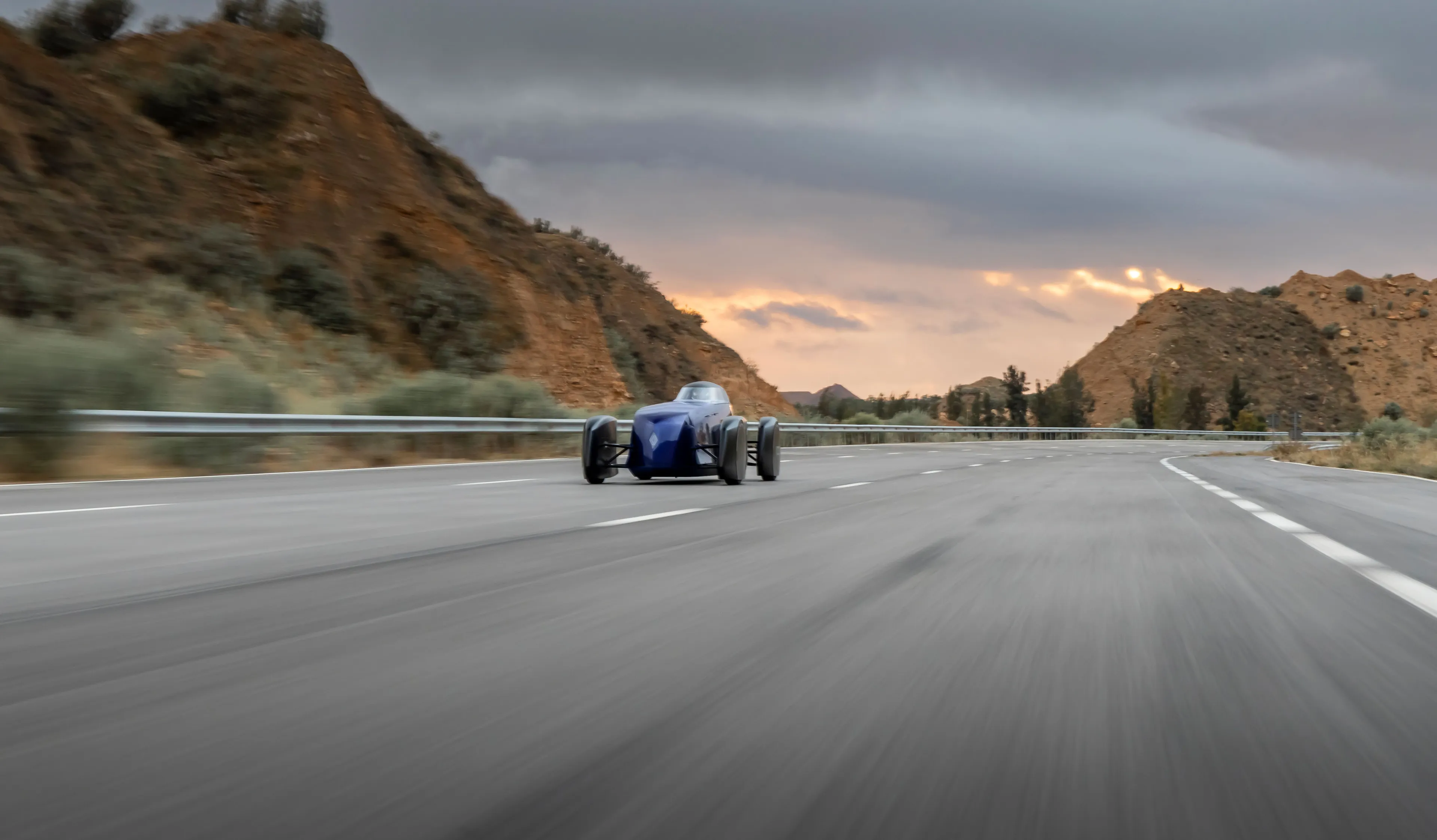
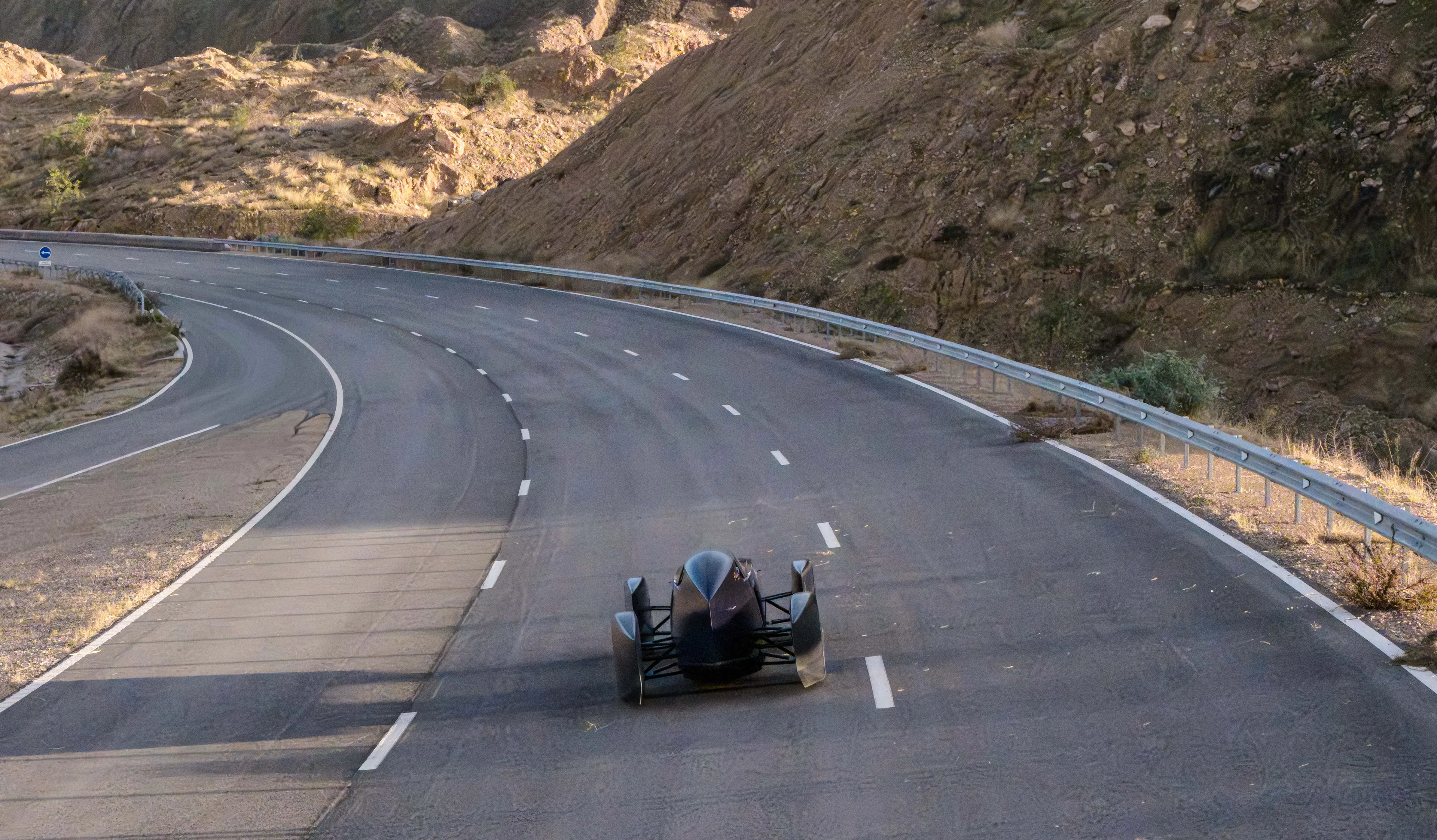
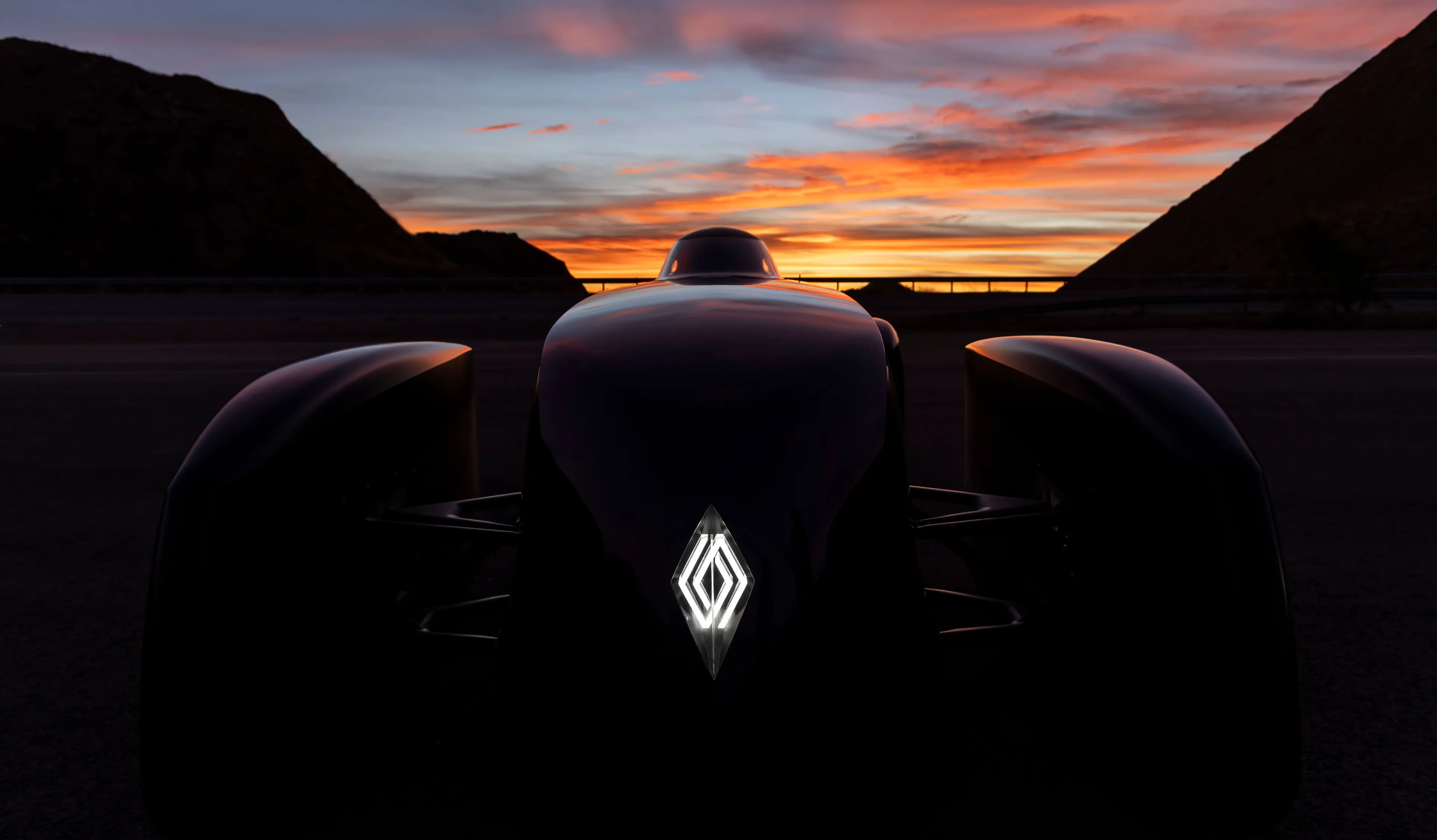
With Filante Record 2025, Renault is exploring a new way of approaching automotive performance, no longer through speed, but through efficiency. This electric demo car has just taken on an ambitious challenge: covering 1,000 km at an average speed of more than 100 km/h without recharging, using a battery equivalent to that of the Scénic E-Tech electric. A full-scale real-world experiment, born from close collaboration between Renault, Ligier and Michelin teams, aimed at understanding how to optimize every detail of a modern electric vehicle. A look back at this electric efficiency record, set in Morocco last December 18.
Reinventing the feat, one hundred years after the 40 CV
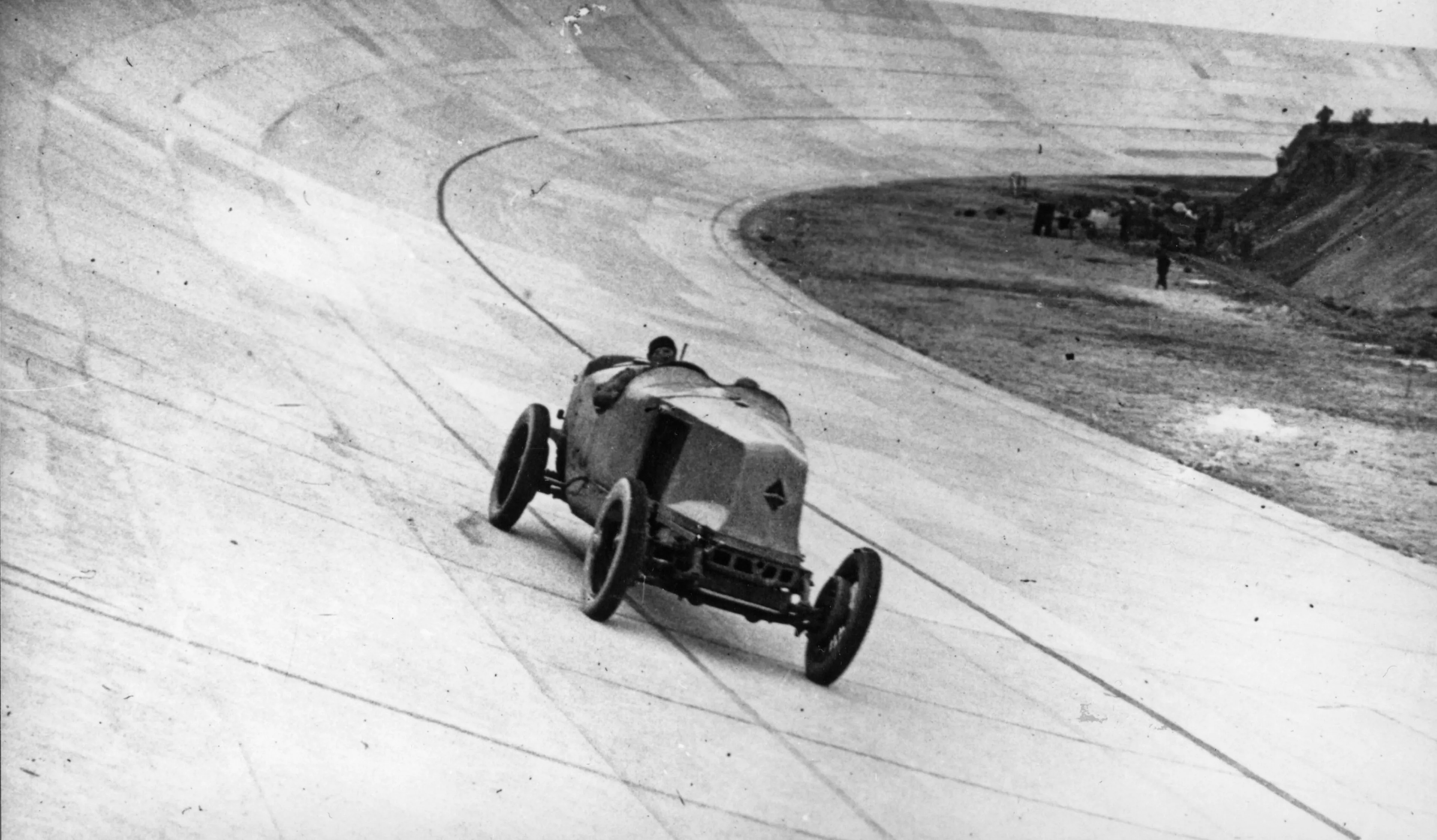
Renault has a long history of record-breaking achievements. The 40 CV combined speed and endurance on the Montlhéry circuit in the 1920s, while the Étoile Filante exceeded 300 km/h on the Bonneville Salt Flats in the United States in the 1950s. These feats were emblematic of their time, an era when a car’s performance was measured above all by speed.



Today, priorities have shifted. The question is no longer “How fast can we go?” but rather “How far can we travel intelligently?” Filante Record 2025 is part of this shift. It is less a nostalgic nod than a way of drawing on Renault’s heritage to explore a new approach to mobility.

“Our goal is not to look backward, but to draw on our roots to meet today’s needs. We are not aiming to break a speed record; efficiency is now the target”.
Sandeep Bhambra
Chief Designer, Renault Advanced Design & Concept Cars
With an 87 kWh battery, the objective was clear: to cover 1,000 km at an average speed of more than 100 km/h without recharging, a level of efficiency never before achieved under conditions close to real-world highway driving.
A rolling lab dedicated to energy efficiency
Filante Record 2025 is a learning tool. Every element, from the shape of each detail to the materials used, was designed to concretely measure the impact of technical choices on real-world vehicle energy consumption. The project was carried out in close collaboration with Ligier for the vehicle’s construction and with Michelin for the development of ultra-low rolling resistance tires.

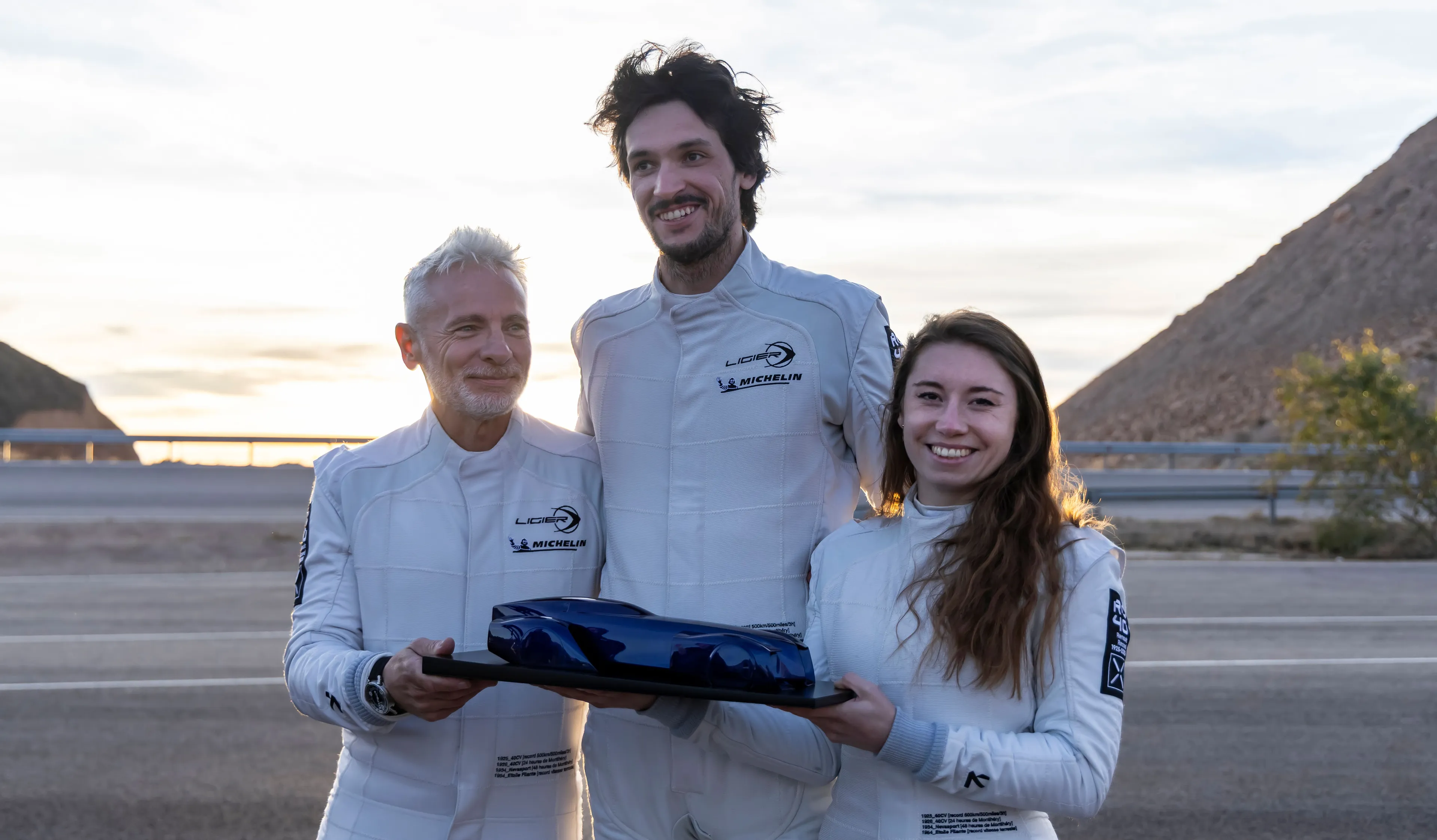
From left to right, Laurent Hurgon, Arthur Ferrière et Constance Léraud-Reyser


Lightweighting in the service of automotive performance
With the battery already accounting for more than half of the vehicle’s total mass, weight reduction was a central focus of the project. Carbon fiber, composites and optimized structures were used as the teams worked to shave off weight gram by gram, aiming to keep the vehicle’s mass around 1,000 kg. This focus on weight was not intended to achieve an absolute feat in itself, but rather to better understand how material lightweighting influences the driving range of an electric vehicle.
Aerodynamics as a driver of electric range
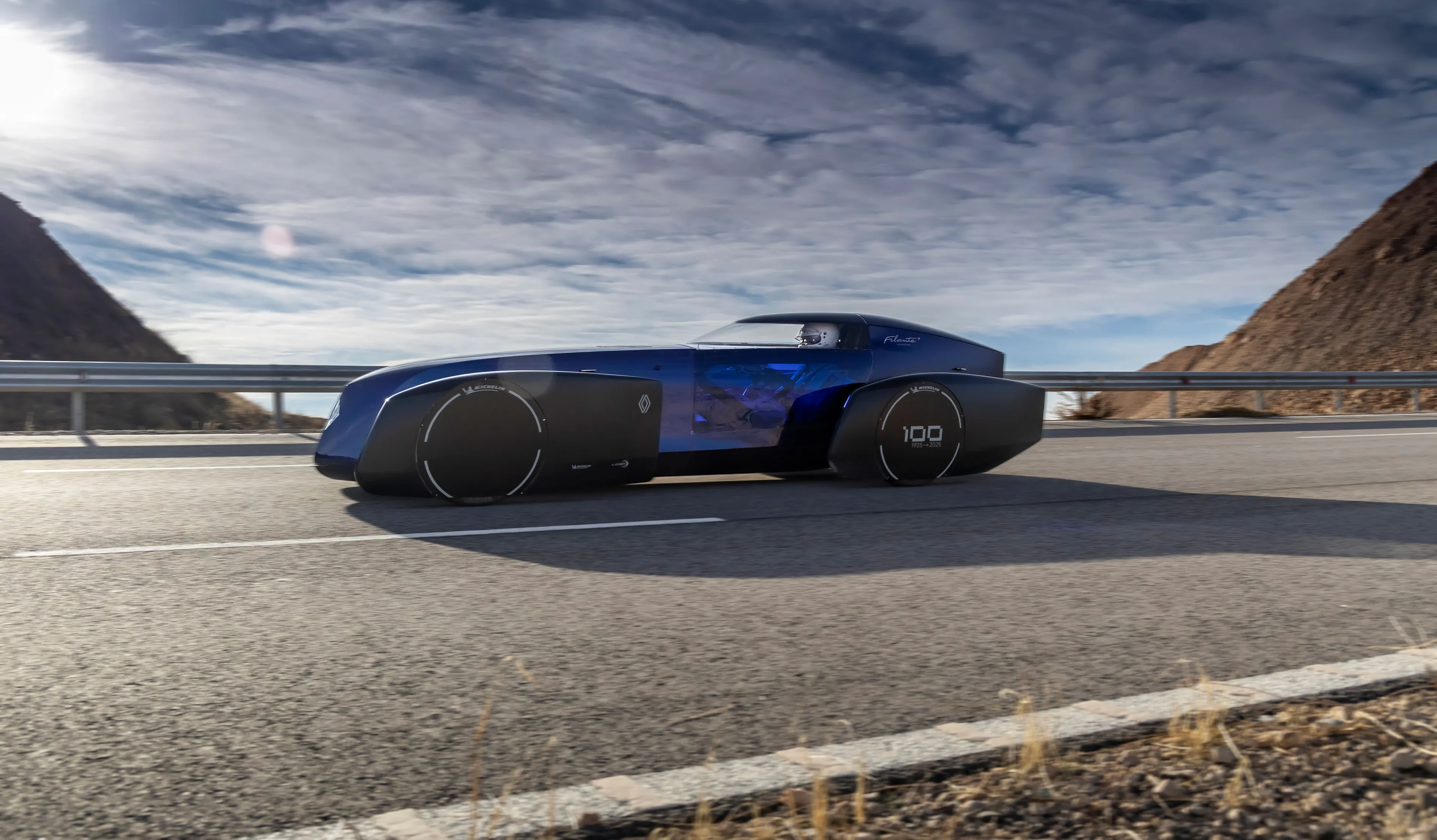
Another major focus of the work was the SCx (the product of frontal area and drag coefficient), which measures aerodynamic efficiency. An initial wind tunnel session revealed excessive drag, putting the efficiency record out of reach. Designers and engineers then had to work together to re-engineer the airflow around the car, that is wheel fairings, cockpit proportions, side surfaces and the management of transitions between the central cell and the wings.
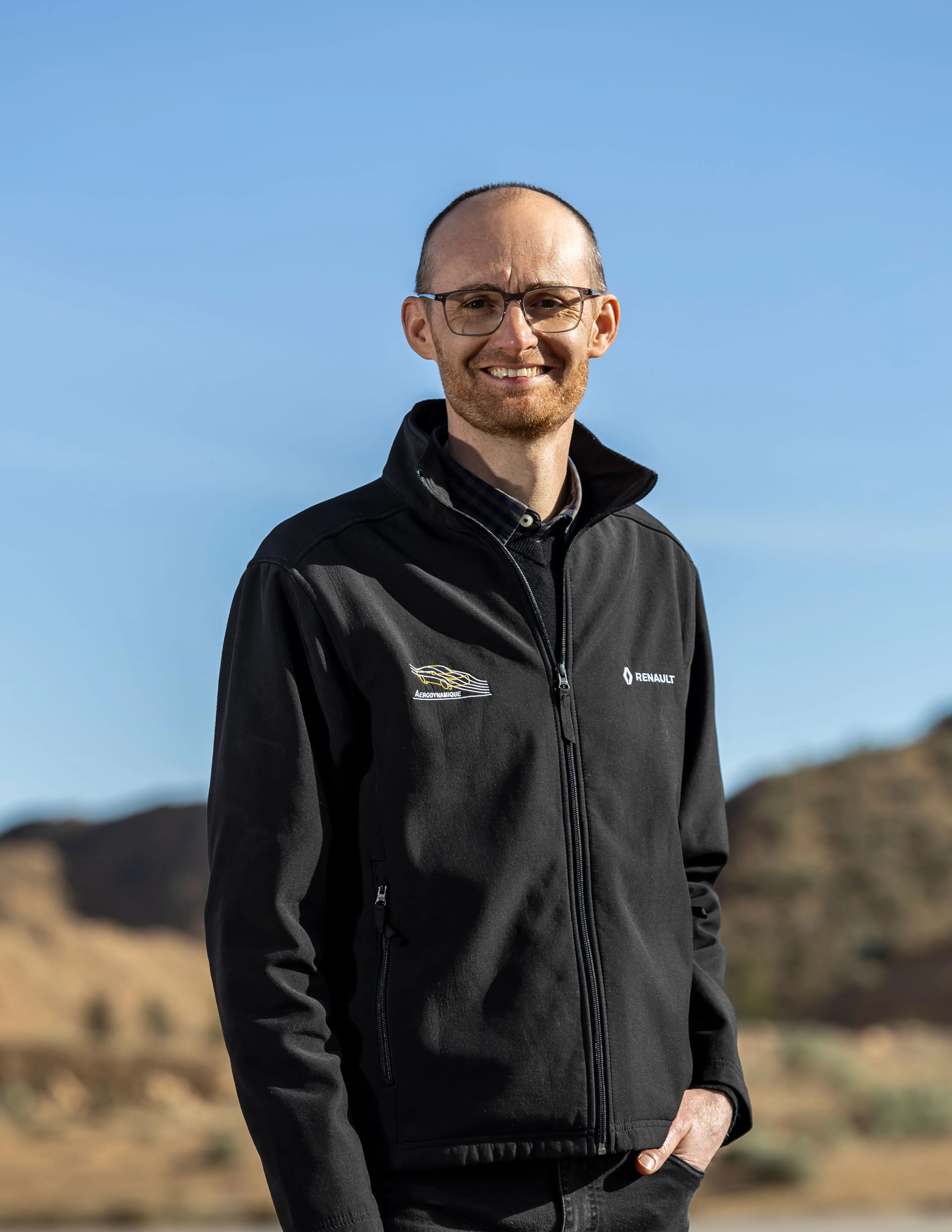
“We first simplified the wheel fairings, a major source of drag, to achieve a cleaner, more efficient shape. From the outset, Filante Record 2025 showed a genuine predisposition for aerodynamics. Our work was about revealing that potential and aligning it with the performance objectives.”
Jocelyn Mérigeault
Aerodynamics engineer
This collaborative effort gradually refined the silhouette of Filante Record 2025, achieving an automotive aerodynamic performance level compatible with the goal of covering 1,000 km without recharging.
Advanced technologies to explore new uses
Filante Record 2025 incorporates several innovations:
- Steer-by-wire*, enabling steering without a mechanical column for reduced weight and greater precision.
- Brake-by-wire*, allowing fully digital, optimized braking control.
- A reengineered battery integration, improving weight distribution and reducing energy losses.
- Specially developed Michelin tires, designed to minimize rolling resistance.
The goal is not to transfer these innovations directly to a future production model, but rather to observe which elements could enable tangible improvements in the next generations of electric vehicles. *By-wire technologies (steer-by-wire steering and brake-by-wire braking) eliminate mechanical linkages in favor of fully electronic control.
On the track: the moment of truth
The energy efficiency record attempt took place at the UTAC Ceram test center in Oued Zem, Morocco. For nearly ten hours, the three Alpine test drivers (Laurent Hurgon, Constance Léraud-Reyser and Arthur Ferrière) took turns maintaining a steady speed of around 100 km/h, managing driving conditions and extracting the car’s full potential down to the finest details. The choice of a long, smooth track with limited exposure to weather variations made it possible to replicate conditions close to continuous highway driving. In the end, Renault Filante Record 2025 covered 1,008 km in less than 10 hours, at an average speed of 102 km/h. Upon arrival, the demo car still had 11% battery charge remaining, which would have allowed it to travel more than 120 additional kilometers at a speed of over 100 km/h.
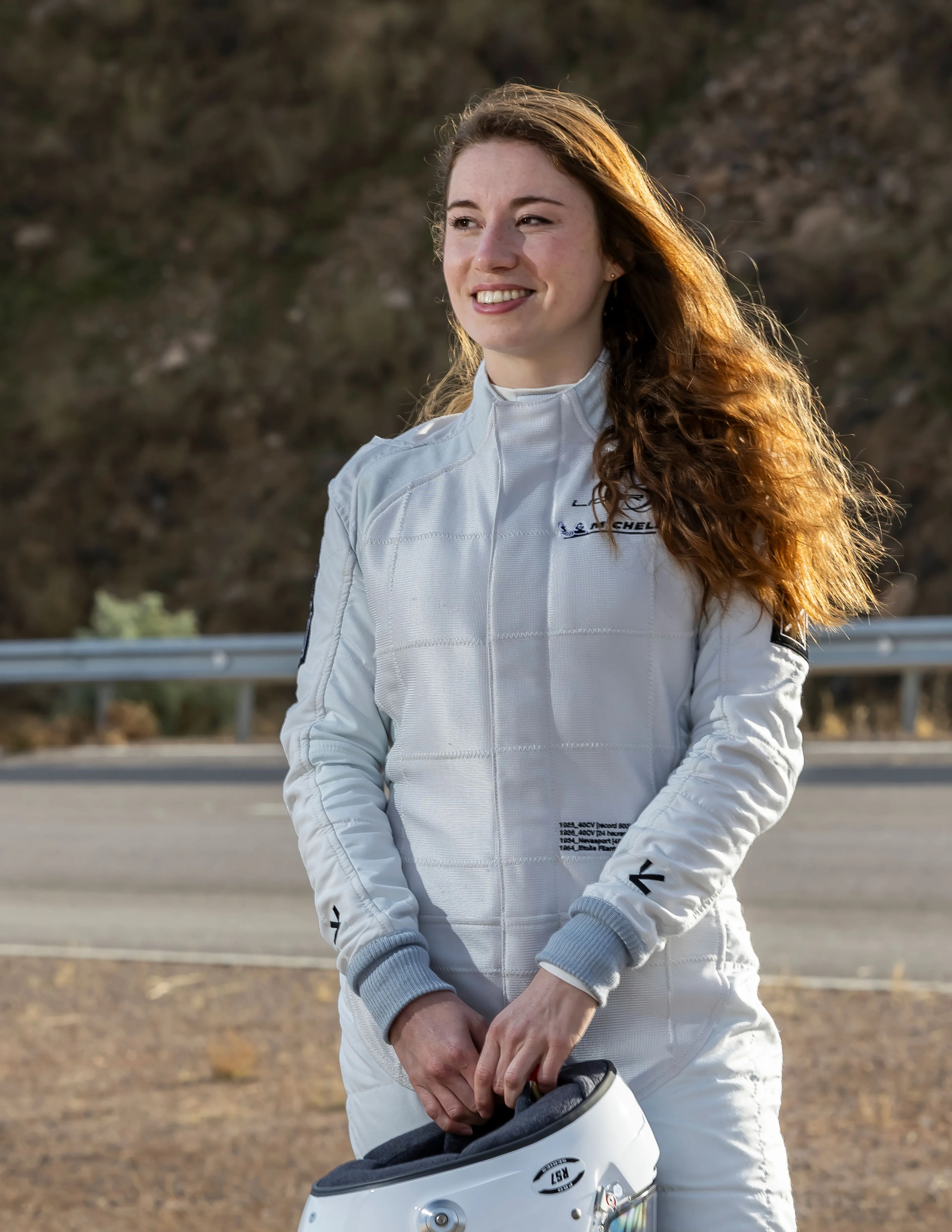
”Four hours at the wheel felt long but the adrenaline and the music in my ears helped me push through. The key was concentration: holding the line, optimising every movement and being smooth on the steering wheel, especially with the steer-by-wire system, which is a joy to drive. With the heat and the thirst, it really felt like running a marathon but the personal challenge was met, as I managed to drive for four hours, far longer than planned”.
Constance Léraud-Reyser
Chassis control systems engineer and second stint driver
This long-duration run now provides Renault with a valuable data set to further refine aerodynamics, thermal management, the vehicle’s real-world energy consumption and the optimal use of the technologies featured on Renault Filante Record 2025.
Learning by driving
Filante Record 2025 does not foreshadow any future model in the Renault range, nor does it aim to impose a definitive vision of the electric car. Its ambition lies elsewhere. This demo car is designed to help understand how far the efficiency of an electric vehicle can be improved by acting simultaneously on all levers: weight optimization, aerodynamics and onboard technologies.
The insights gained from the project will gradually feed into the development of Renault’s next generations of electric vehicles — an approach that strengthens the Group’s knowledge base and helps prepare for the future.
An exclusive mini-series at the heart of the project
To share behind-the-scenes insights into the project, Renault Group produced a three-episode documentary series with the agency Köm (Genesis, Under Pressure and Now or never!) offering an unprecedented immersion into the preparation of Filante Record 2025. The series retraces the key stages that led to the establishment of this new electric efficiency record.
FAQ
01
Why did Renault develop Filante Record 2025?
02
Which partners were involved in the project?
03
Will the innovations tested on Filante Record 2025 be used in production models?
To test, under conditions close to real-world use, the impact of lightweighting, aerodynamics and advanced technologies on the efficiency of an electric vehicle using a standard 87 kWh battery
Filante Record 2025 was developed in close collaboration with Ligier for the vehicle’s construction and with Michelin for the development of ultra-low rolling resistance tires. These contributions were essential to achieving the targeted level of efficiency.
Some of them will. Work on aerodynamics, lightweight materials, battery integration and by-wire technologies will help inform and enhance the development of future electric models within Renault Group.