Renault in Korea: twenty-five years that have shaped our international expansion
Published on
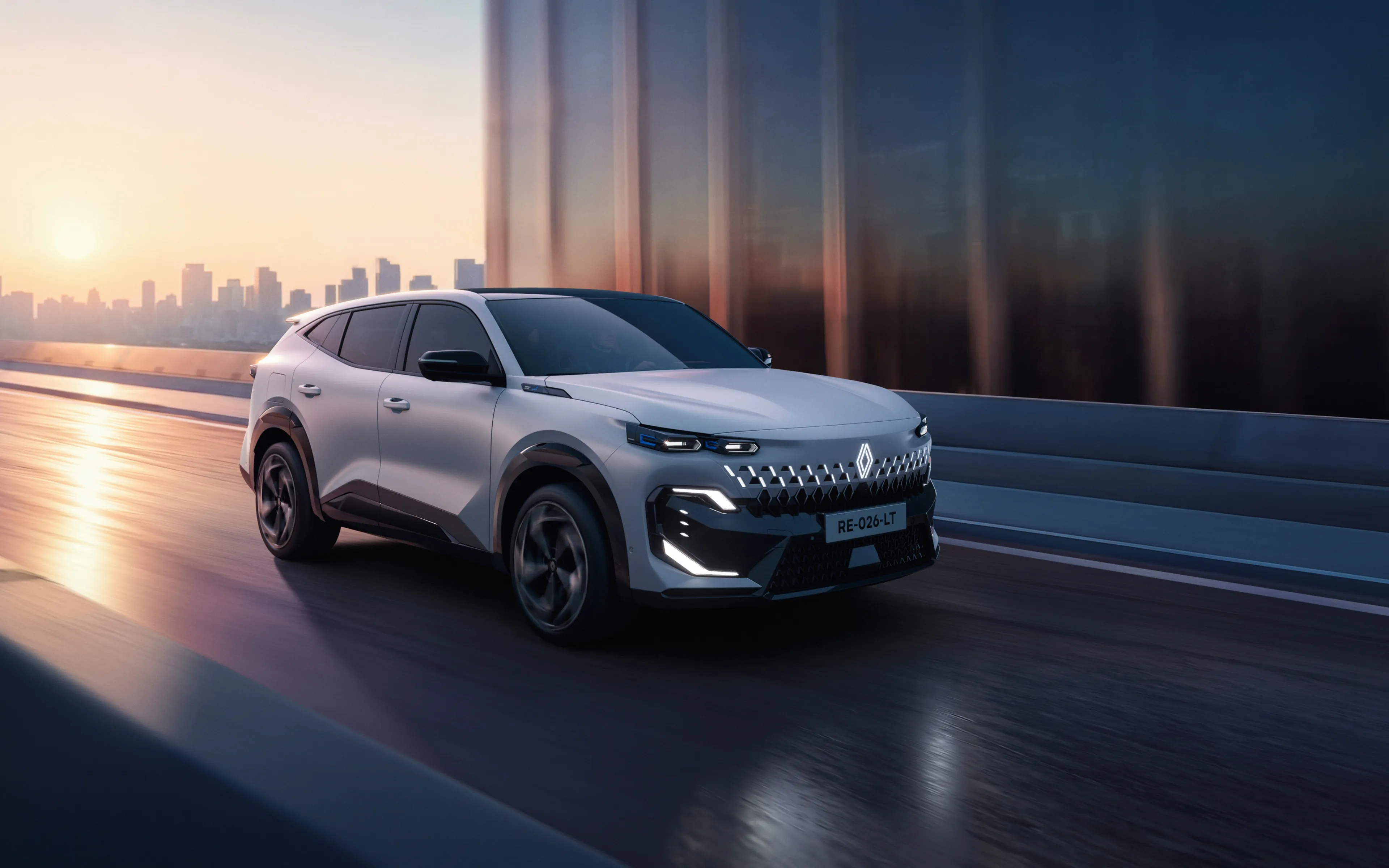
Unveiled on January 13 in Seoul, Renault Filante marks a new chapter in a story that began more than twenty-five years ago. Since establishing its presence in South Korea, Renault has gradually built a comprehensive creative, industrial and technological ecosystem, combining engineering, design and production. Today, Korea represents a major automotive market and a cornerstone of Renault Group’s international development.
From the start: the foundations of the Group’s Asian ambition
When Renault Group entered South Korea in the late 1990s, it was a bold gamble. In 2000, the Group acquired Samsung’s struggling automotive operations, hit hard by the Asian financial crisis, and rebranded the company as Renault Samsung Motors. The objective was clear: to revive a local automaker, particularly through electric vehicles, while positioning it within a global dynamic.
Very quickly, Korea proved to be far more than a domestic market. In a country among the most technologically advanced, where standards of quality, comfort and safety rank among the highest worldwide, Renault found a demanding yet stimulating learning ground. The Busan plant, inaugurated in 1997, became the industrial backbone of this ambition, while the Renault Technology Korea (RTK) engineering center, established in 2000, initiated a rapid rise in capabilities.
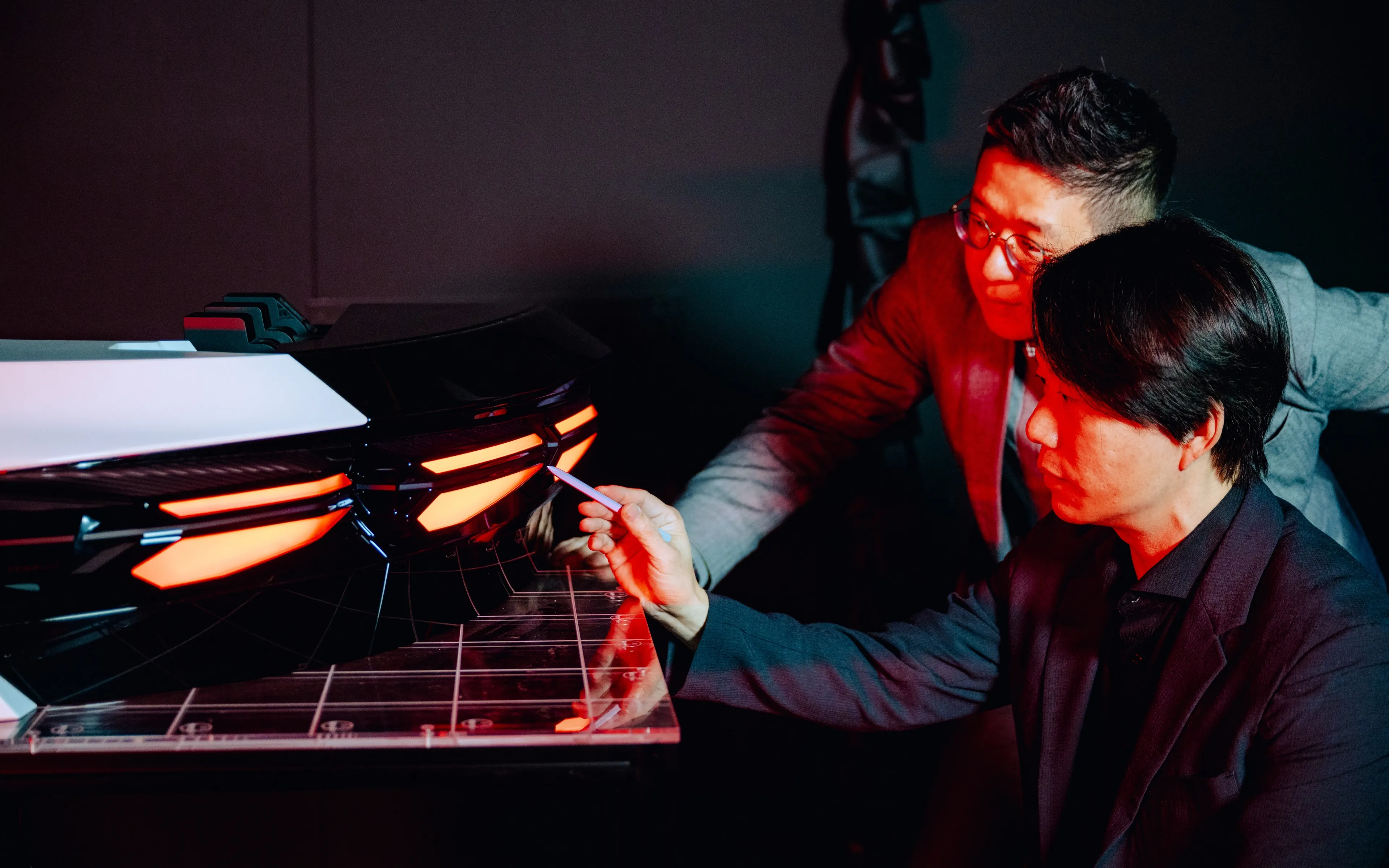
Over the years, this presence expanded to include a creative dimension, with the opening of a design center in Seoul, integrated into Renault’s global network. Closely attuned to local and Asian trends, it enriches the Group’s stylistic and functional design thinking.
The 2010s marked a decisive turning point. Facing intense local competition and a challenging economic climate, Renault Samsung Motors embarked on a deep transformation. The recovery plan launched in 2012 restored industrial competitiveness, strengthened local roots and reignited exports. Two years later, the company returned to profitability and established itself as a credible, respected player in Korea’s automotive landscape.
This formative period shaped Renault’s DNA in Korea: industrial rigor, adaptability and a culture of collective performance, a solid foundation for the future.
Korea: a true hub of creativity, technology and industry
Renamed Renault Korea in 2024, the company is now a fully integrated automotive player, active across the entire value chain: design, engineering, production and sales. Nearly 3,000 employees, spread across Seoul, Busan and RTK, contribute daily to this dynamic.
The Busan plant stands as a strategic industrial site for the Group in Asia. Capable of producing internal combustion, hybrid and electric vehicles on the same line, it exemplifies Renault Group’s hallmark industrial flexibility. A true multi-model hub, the site assembles Arkana, Grand Koleos and Polestar 4, as part of industrial projects carried out with international partners, while also preparing to welcome new projects, including Renault Filante this year.


But Renault’s Korean uniqueness extends beyond production. Located just forty minutes from Seoul, Renault Technology Korea has become a global center of excellence for D and E segments. Specializing in acoustic comfort, safety, electronic architectures, advanced driver-assistance systems (ADAS) and electrification, RTK develops vehicles designed to meet the highest expectations of international customers.


This is further strengthened by the Renault Design Center Seoul, offering deep insights into user behaviors, aesthetic expectations, trends, and life cycles unique to the Asian market. In constant interaction with the Group’s central engineering and design teams, it helps shape models tailored to discerning global clientele.


The Geely partnership, a showcase of operational excellence
In Korea’s demanding market, where perceived quality, thermal comfort, connectivity and onboard technologies play a decisive role, this combined expertise makes all the difference. It enables Renault to create premium vehicles that meet the highest standards, both locally and for export.
This move upmarket also aligns with a strategy of partnerships. The strategic alliance with Geely ushers in a new phase of development: platform sharing, accelerated hybrid programs and industrial and technological synergies. Together, the two groups leverage their strengths to design competitive vehicles conceived from the outset for global markets.
The Renault Filante, symbol of a new international chapter
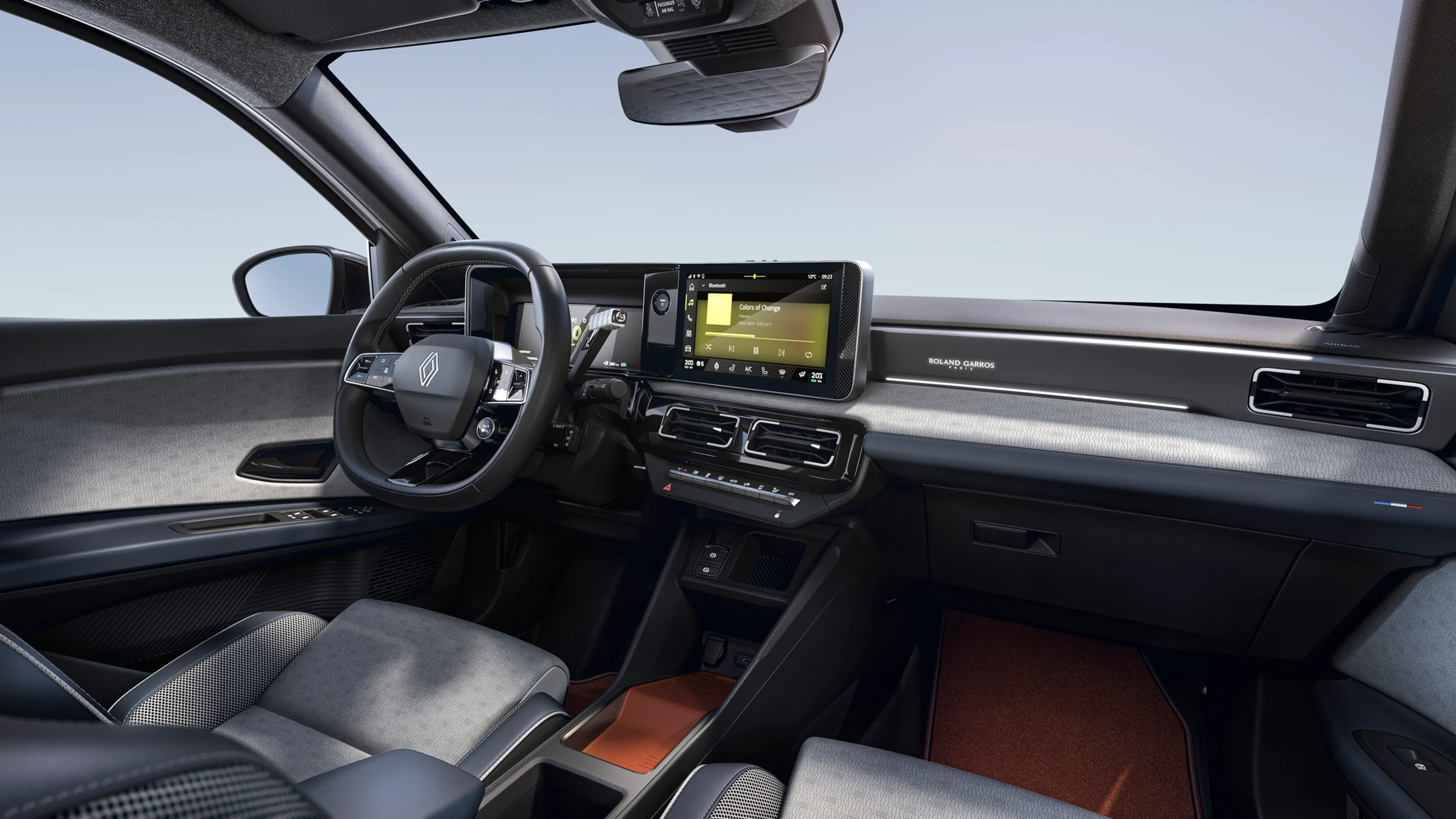
Against this backdrop, Renault unveiled Renault Filante on January 13 in Seoul, a milestone in the brand’s international trajectory. Designed, developed and produced in Korea in collaboration with central teams, Filante demonstrates the Group’s ability to harness local industrial, technological and creative resources to meet global expectations.
Renault Filante fully embodies the Renault International Game Plan, a strategic roadmap aimed at accelerating growth outside Europe and strengthening the brand’s presence in key markets. Korea holds a unique position: the Group’s 13th largest market, but above all a hub of competitiveness for D and E segments, a technological showcase and an export base to numerous countries.
In a Korean automotive market undergoing rapid evolution, marked by a gradual shift toward electrified powertrains and rising expectations for technology and comfort, Renault has carved out its niche. The success of Grand Koleos, consistently praised for its quality, safety and driving and onboard experience, confirms the relevance of a premium electrified SUV strategy.
With Filante, Renault takes another leap forward. The model becomes the flagship of an international brand capable of designing locally to shine globally, a tangible demonstration of the brand’s strategy: “Born in France, Made in Korea.”