FuturGen Insight – Recycling electric vehicle batteries: a strategic priority for Europe and the industry
Published on
Article summary
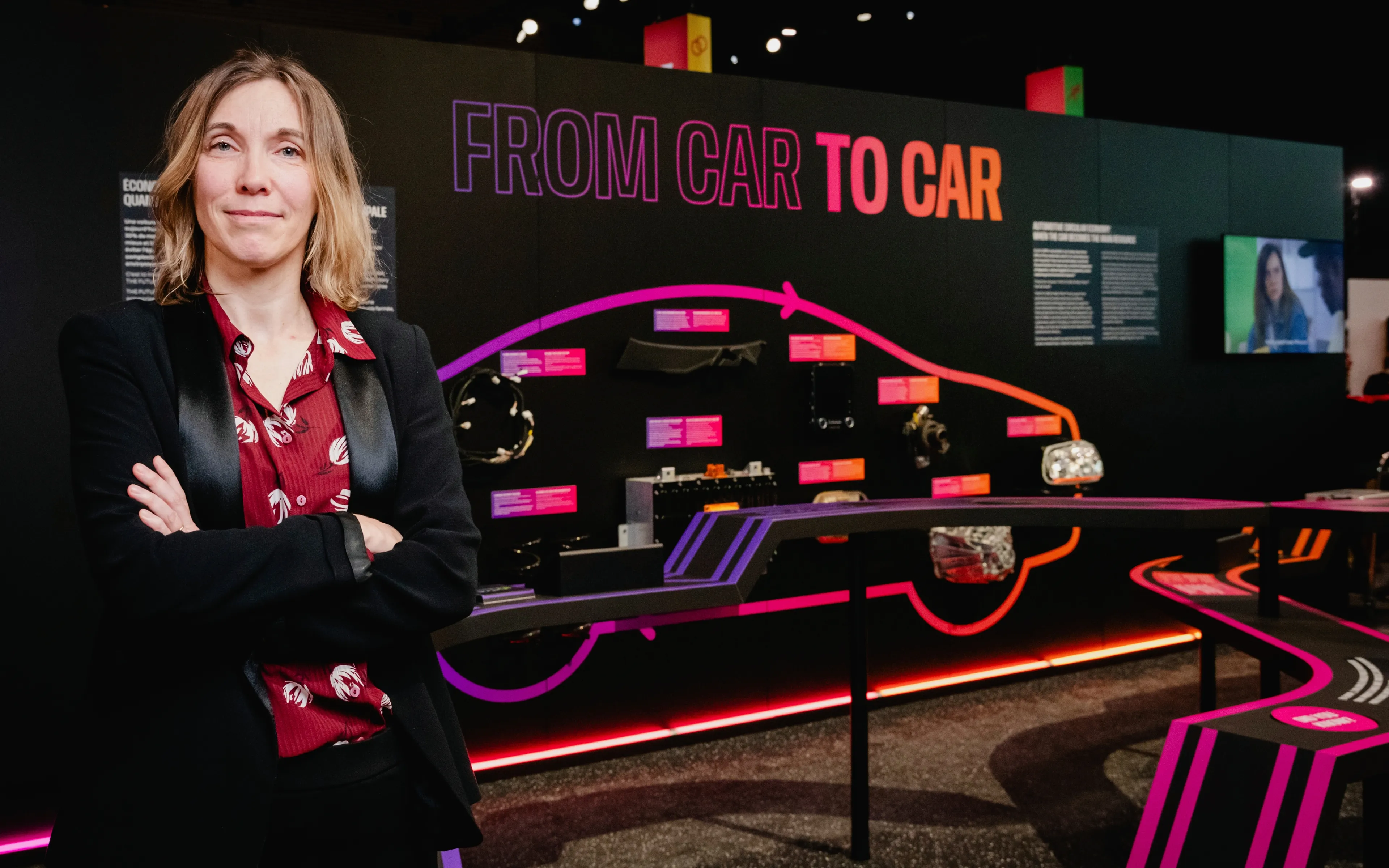
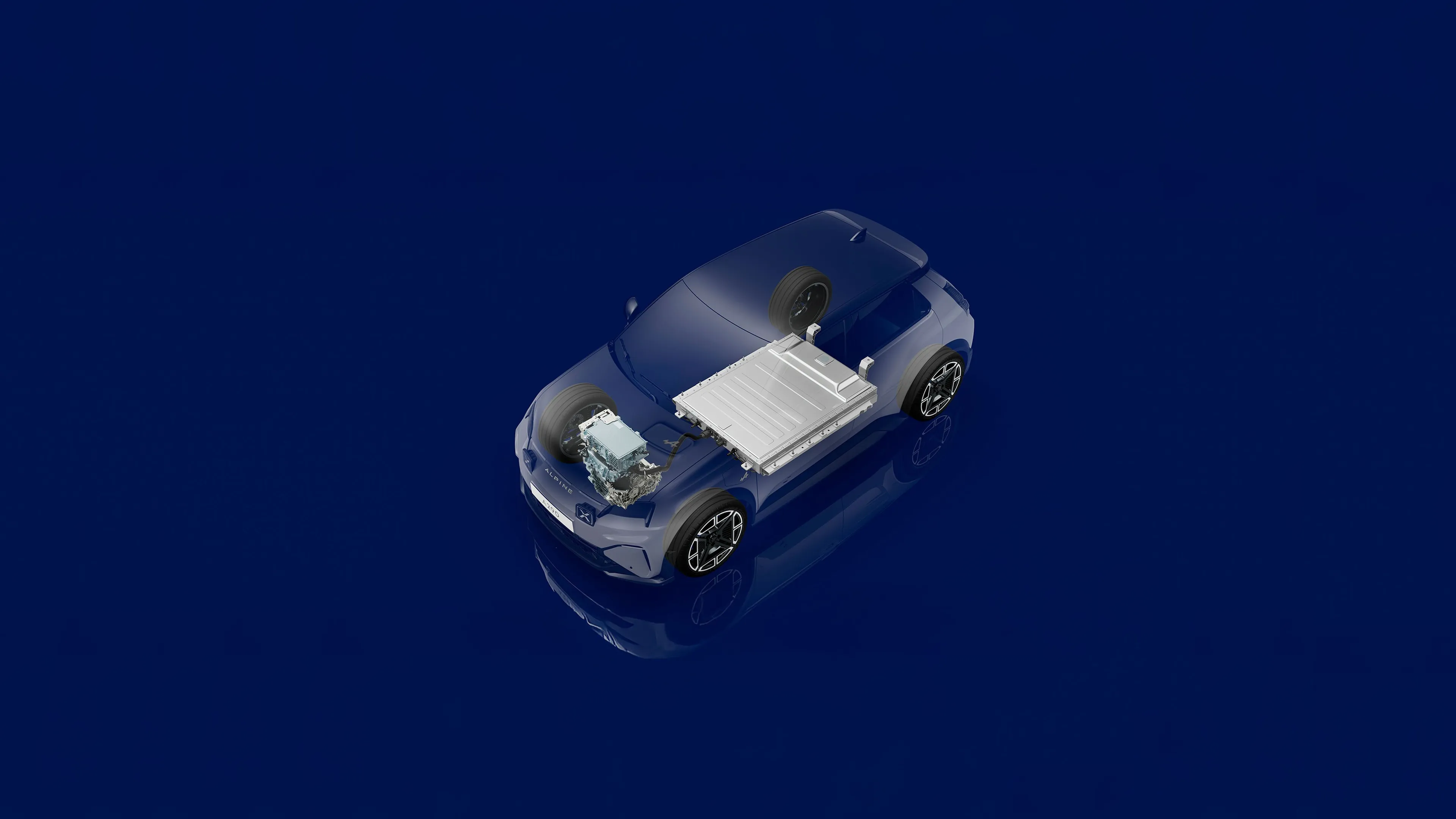
The lithium‑ion traction battery is the heart of an electric vehicle. It determines its range, performance, and durability, representing up to 40% of its value. With the accelerating shift to electric mobility—essential to meeting the 2050 climate targets—battery recycling is no longer optional. It has become a major industrial, economic and environmental challenge, as well as a key lever of strategic sovereignty for Europe, explains Sophie Schmidtlin, Chief Technology Officer at The Future is NEUTRAL, the circular‑economy subsidiary of Renault Group and Suez.
Key takeaways:
- The European Union is currently heavily dependent on imports of critical materials needed to manufacture lithium‑ion batteries for electric and hybrid vehicles.
- To address this sovereignty challenge, EU regulations require increased recycling of the minerals used in batteries by setting minimum recycled‑content thresholds by 2030.
- To achieve this, Europe must build a competitive, large‑scale industrial ecosystem around batteries.
- The Future is NEUTRAL already supports car manufacturers by managing and processing end‑of‑life batteries
The Battery recycling industry is essential for Europe’s strategic autonomy
Today, the European Union imports more than 80% of the critical metals needed to produce lithium‑ion batteries for electric or hybrid vehicles. This dependency stems from the scarcity of domestic mining resources as well as the concentration of refining activities in Asia. In this context, recycling battery production scrap (from gigafactories) and end‑of‑life batteries locally is the most effective way to reduce dependence.
European regulations provide a clear direction. Circularity is recognized as a pillar of sovereignty, with a quantified objective: by 2030, at least 25% of Europe’s annual consumption of critical raw materials must come from recycling. It’s ambitious… but achievable if we scale up rapidly
The lithium‑ion battery: an “urban mine” in Europe
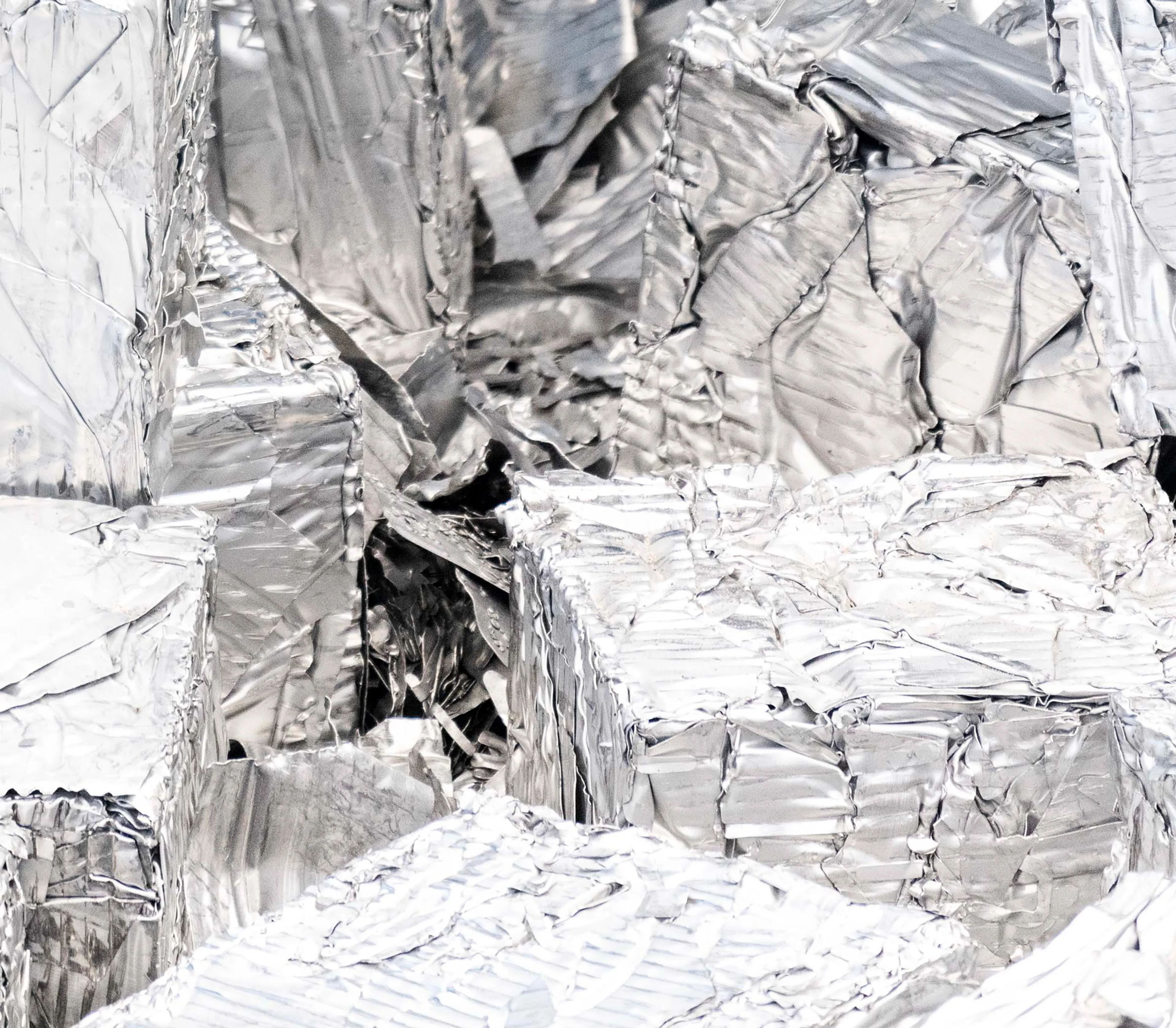
Production scrap and end‑of‑life batteries form a geographically concentrated resource in Europe. They are highly enriched in strategic battery materials (lithium, nickel, cobalt, manganese, and copper), with concentrations higher than natural ores. Even better: these metals can be recycled infinitely with high recovery rates.
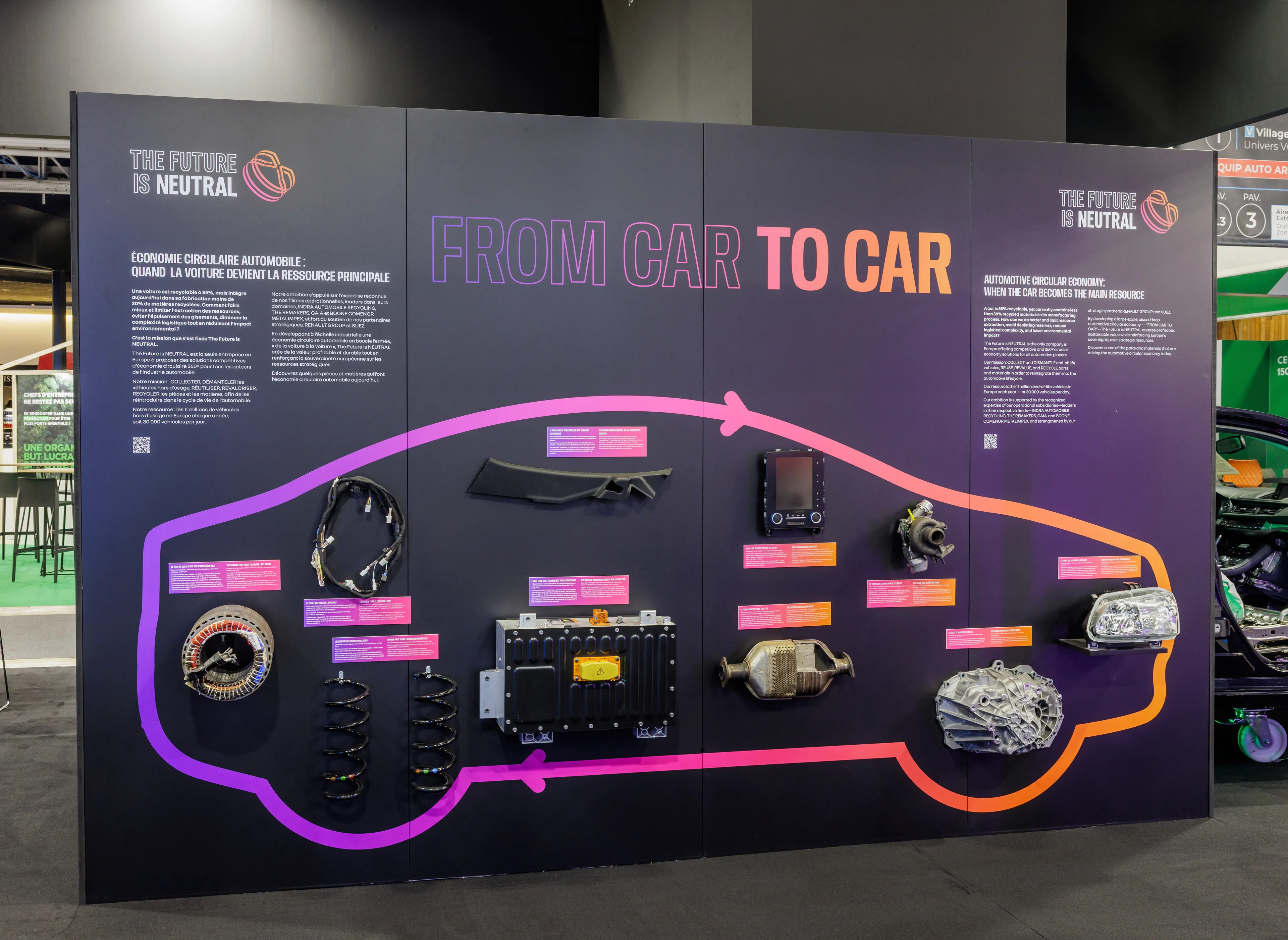
This positions recycling as the industrial backbone of the transition: securing supply, reducing the battery’s carbon footprint, and reinjecting recycled materials into the manufacturing of new batteries. A true “from Car to Car” circular model for electric vehicles.
However, regulations do not require that recycled materials come from a European recycling industry: as long as traceability is ensured, manufacturers can source them outside the EU.
Industrial translation: if Europe does not immediately invest in its own recycling value chain, it risks recreating dependency—this time on recycled materials—and allowing other regions to capture the associated economic and technological value. Conversely, rapidly developing local collection and refining capacities accelerates Europe’s strategic autonomy.
Building a competitive European battery recycling industry: an industrial imperative
To be competitive with Asian supply chains and the cost of virgin metals, Europe must:
- optimize costs and operations across the value chain: streamline battery collection, maximize metal‑recovery yields…
- increase the volume of materials to recycle to secure investment and unlock economies of scale
- support industrialisation through appropriate public‑policy mechanisms
- anticipate the diversity of battery chemistries and architectures
Beyond securing supply, a strong European ecosystem also reduces the carbon footprint of batteries manufactured in Europe—one of the core objectives of the EU Batteries Regulation.
Extended producer responsibility applies to EVs and their batteries
Since August 2025, European car manufacturers have been responsible for the end‑of‑life management of the batteries they place on the market. This Extended Producer Responsibility (EPR) requires them to organize and finance the collection, recycling, and traceability of batteries.
At The Future is NEUTRAL, we support manufacturers in meeting these requirements and in building a genuine circular economy for EV batteries.
In France, we operate the first Individual Battery Compliance Scheme for Renault Group, in partnership with our subsidiary INDRA AUTOMOBILE RECYCLING, the national leader in end‑of‑life vehicle processing, and with our shareholder SUEZ.
In practice, we manage:
- safe battery removal
- handling and processing in certified dismantling centers
- sorting, transportation, discharge, and dismantling
- final recycling in line with EU requirements
This model paves the way for a fully circular “from Car to Car” loop, where materials from one battery are used to manufacture a new one.
Extending Battery Life Before Recycling
Recycling is only the final step in a battery’s life cycle. Thanks to repair and reuse, a battery can remain in service for over 15 years. It can then be repurposed for stationary energy‑storage applications before its final recycling. This is a critical pillar for optimizing the environmental and economic performance of the entire value chain.
Towards European battery sovereignty
Building sovereignty over battery materials is a strategic priority for Europe, and it requires the rapid industrialization of a recycling ecosystem. Scaling up, standardizing, and consolidating the industry will enable Europe to retain economic and technological value and secure the transition to truly sustainable mobility.
01
Why is battery recycling essential?
02
What does European regulation require?
03
What role can The Future is NEUTRAL play?
04
Is recycling the only solution?
Battery recycling helps reduce Europe’s dependence on imported critical metals required for lithium‑ion battery manufacturing. By locally recycling production scrap and end‑of‑life batteries, Europe secures its supply, lowers the carbon footprint, and creates a true circular industrial ecosystem. These batteries represent a highly valuable “urban mine,” richer in strategic metals than natural ores.
EU legislation makes recycling a key pillar of strategic sovereignty. The Critical Raw Materials Act (CRMA) sets an objective: by 2030, at least 25% of annual consumption of critical raw materials must come from recycling.
The EU Battery Regulation (EU) 2023/1542 also imposes minimum recycled‑content thresholds for new batteries to obtain vehicle approval:
- From 18 August 2031: 16% cobalt, 6% nickel, 6% lithium
- From 18 August 2036: 26% cobalt, 15% nickel, 12% lithium
Since August 2025, manufacturers are also responsible for end‑of‑life battery management under the Extended Producer Responsibility (EPR) framework.
The Future is NEUTRAL supports manufacturers in meeting their collection and recycling obligations. In France, the company operates the first Individual Battery Scheme for Renault Group, alongside INDRA AUTOMOBILE RECYCLING and SUEZ. It manages:
- safe battery removal
- processing in certified dismantling centers
- sorting, transport, discharge, and dismantling
- final recycling compliant with EU standards
This model enables a fully circular “from Car to Car” loop where materials from an old battery support the manufacturing of a new one.
No. Recycling is the last phase of a battery’s lifecycle. Before that, repair and reuse can extend its primary life for more than 15 years. Once removed from a vehicle, a battery can also be repurposed for stationary energy storage. This extension maximizes its utility and reduces its overall environmental impact.