Making electric vehicles accessible: the real challenge of the energy transition
Published on
Article summary
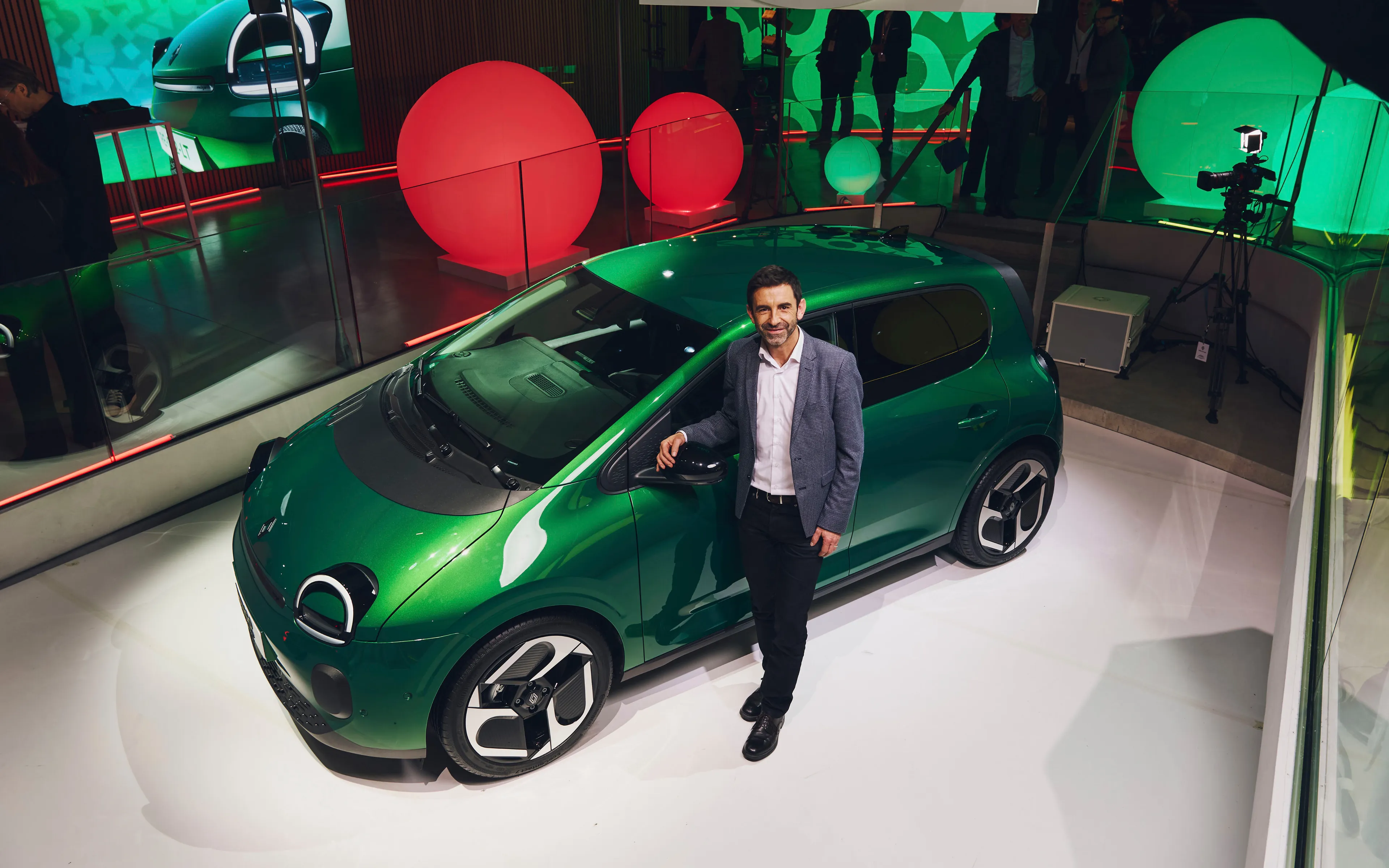
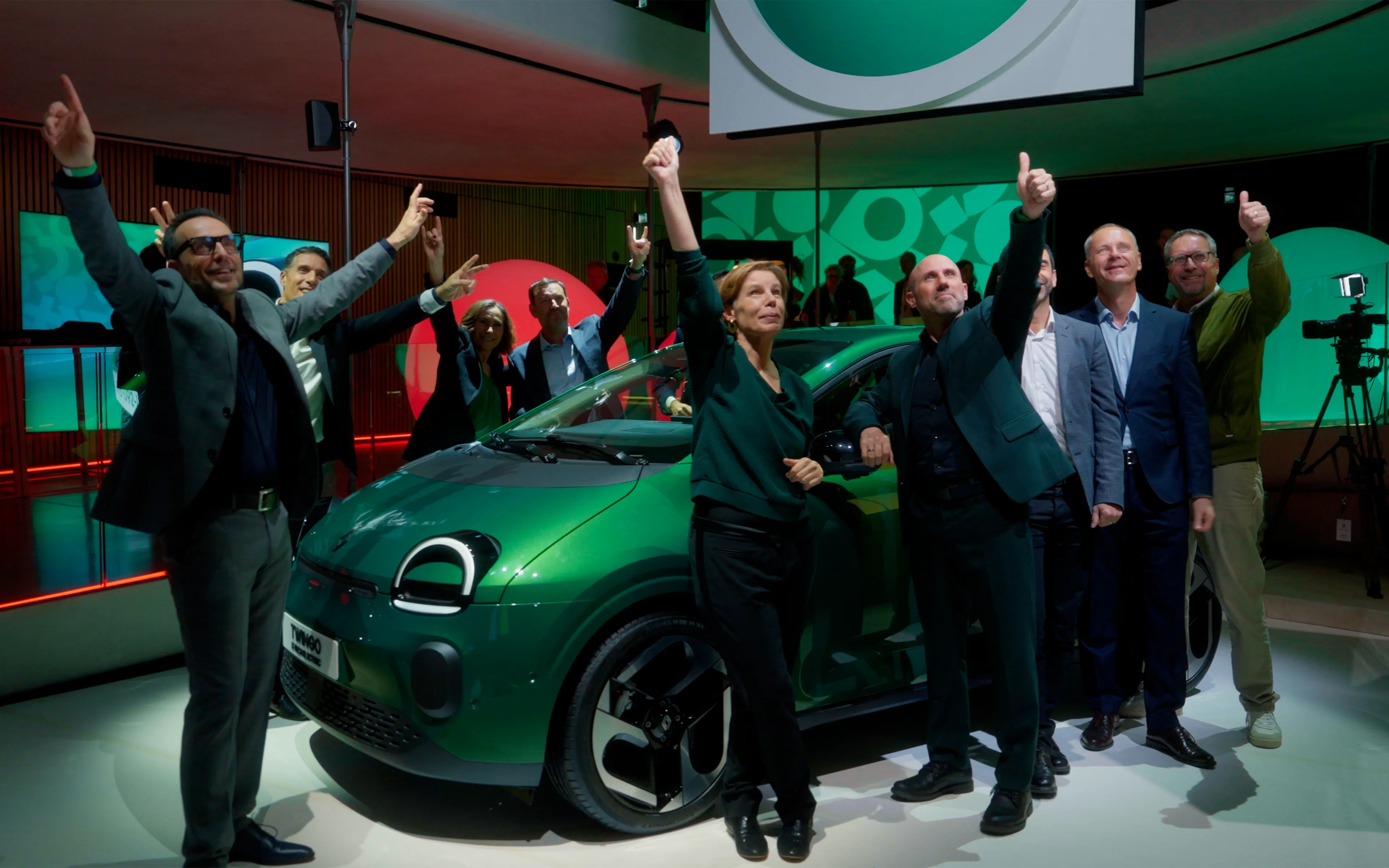
In response to the challenges of the electric transition, Renault Group is making accessibility a cornerstone of its futuREady strategy. By reconciling profitability with decarbonization, the Group is reinventing its industrial model around the concept of “easy and affordable.” Grégoire Ginet, Revenue Leader for Twingo, explains how Twingo E-Tech electric embodies this new era.
How is Renault Group addressing the challenge of combining competitiveness with the ecological transition through Renault Twingo E-Tech electric?
Grégoire Ginet: It is indeed a complex equation, especially in the A-segment (small vehicles), where costs can rise quickly due to safety and environmental requirements. To tackle this, we focused on three fundamental pillars from the very start of the project: offering an attractive car priced below €20,000 (before incentives), ultra-fast development within two years, and production in Europe.
Development agility is the key driver of profitability. By reducing development time to just 21 months, compared with four years for the previous generation, we have significantly lowered fixed and engineering costs. This efficiency allows us to offer a competitive alternative to internal combustion engine vehicles while ensuring European production at our plant in Novo Mesto, Slovenia.
This location is also strategic: it secures access to government incentives for our customers, bringing the final price below €16,000, and even under €14,000 for some households.
Beyond the purchase price, you emphasize the idea of a vehicle that is “affordable to own and run.” What does that mean in practice for everyday drivers?
Accessibility should not be a one-off benefit at the point of purchase; it must extend throughout the vehicle’s entire lifecycle. The new Twingo E-Tech electric targets a record energy consumption of 12.2 kWh/100 km (WLTP), the lowest on the market. For customers, this translates into extremely low charging costs.
In France today, for example, driving 100 km in a Twingo costs our customers just under €2.50 when charging at home, compared with around €10 for a petrol-powered city car: that’s four times less ! This is what we call a “car for everyday living”: a solution aligned with a real-world transition that protects purchasing power while decarbonizing daily mobility.
Does reducing costs mean offering a “low-cost” vehicle? How have you preserved Twingo’s iconic DNA as a true “car for living”?
That is the entire challenge: electric vehicles will only succeed if they are desirable. We refused to compromise on enjoyment and identity. The new Twingo retains the iconic design and cheerful personality of the original model that has shaped automotive history for over 30 years.
We have preserved its hallmark features, such as independently sliding rear seats, offering a level of modularity normally found in higher segments. At the same time, it is a decidedly modern vehicle, connected with Google to simplify charging and equipped with innovations such as the “One Pedal” system for smooth urban driving.
This is not a stripped-down offer, but a compelling and practical product, like an everyday “backpack”, proving that energy efficiency can go hand in hand with emotion.
Renault Group is pursuing a strategy that combines electric and hybrid powertrains. How does Twingo E-Tech electric fit into this vision of a ‘real-world transition’ for all?
A real-world transition is one that leaves no one behind. By offering a dual approach, hybrid for versatility and electric for urban efficiency, Renault Group addresses a wide range of use cases.
Twingo E-Tech electric perfectly illustrates this “easy and affordable” approach: it makes electric mobility accessible where it is most relevant, for everyday journeys, while complementing our hybrid offering (E-Tech full hybrid).
By providing practical, economically viable solutions tailored to daily needs, we can turn environmental ambition into a widespread reality.