renative: circular economy driving after-sales performance and customer satisfaction
Article summary
Renault Group is bringing together its circular economy-based after-sales offerings under a single name. The aim is to extend vehicle lifespans, preserve resources and offer customers solutions that are both more sustainable and often more affordable. This commitment has given rise to renative, a name designed to highlight an approach that is already firmly established in the Group’s workshops.
Key takeaways
renative brings together Renault Group’s after-sales offerings based on the circular economy. They combine manufacturer-quality standards, competitive pricing and a reduced environmental impact.
Remanufactured parts, reconditioned batteries, repaired electronic components, re-refined oils and accessories made from recycled materials: more than 2,000 part references are already covered.
Renault Group is the first automotive manufacturer to introduce a comprehensive range of engine oils made from re-refined base oils, while guaranteeing high performance, engine protection and continued coverage under the manufacturer’s warranty. Launched in 2025, the range has covered all Renault Group combustion-engine and hybrid vehicles in circulation in Europe since September 2026, helping to reduce their carbon footprint by 13% to 24%.
The ambition is to make renative a natural choice for both customers and the dealer network by 2030, while keeping pace with vehicle technological developments and regulatory changes.
The circular economy is everyone’s business: from repairers to product development teams, from industrial partners to customers.
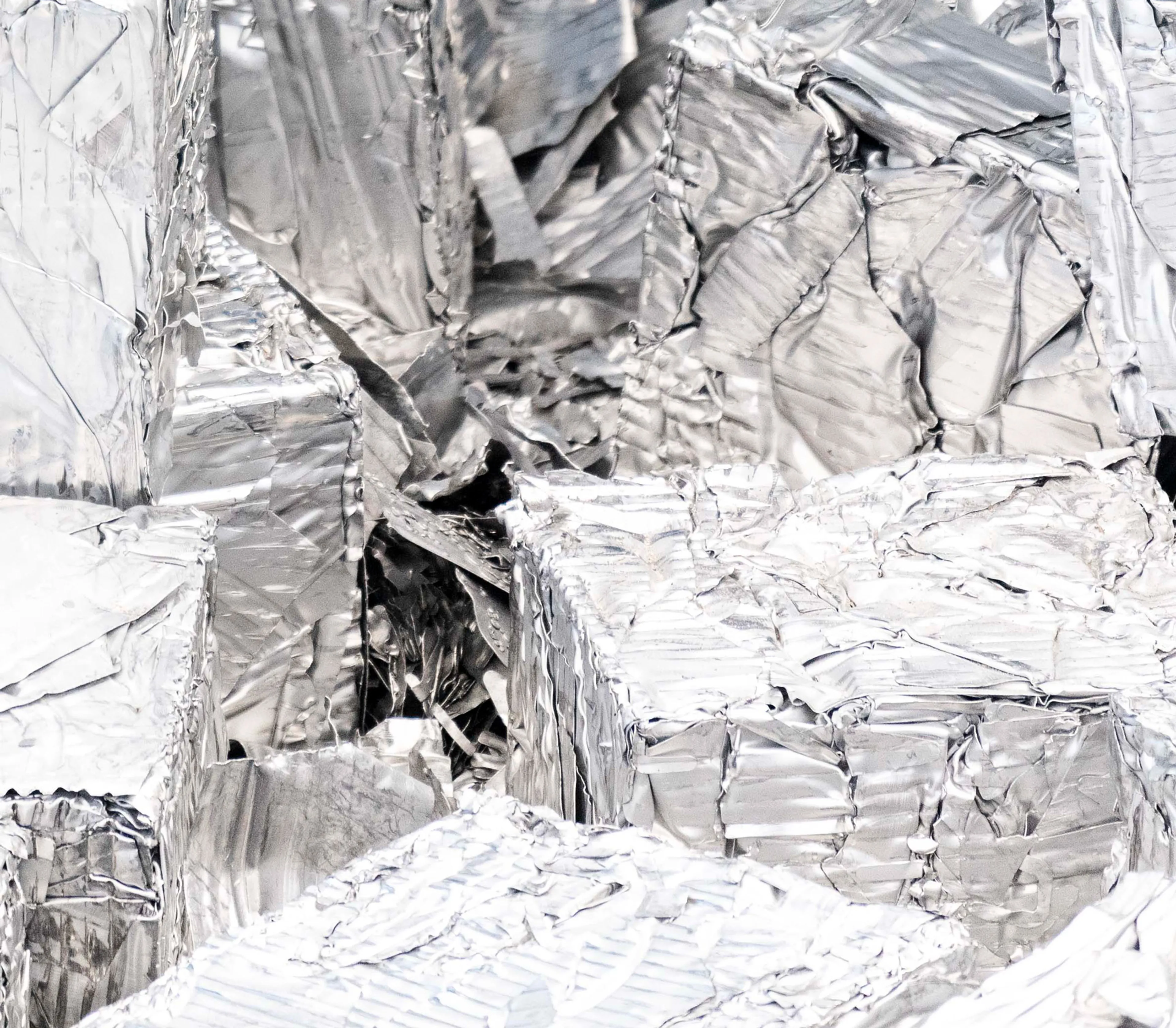
In repair workshops, used parts removed from vehicles are often recycled for their materials (steel, aluminium, etc.). Renault Group and its dealer network collect all those that can be repaired, reconditioned or remanufactured, giving them several more years of service. It is precisely this second life that Renault Group aims to develop as widely as possible.
Every year, Renault Group and its brands collect more than 300,000 used parts to feed their circular economy loops. Every part reused, repaired or remanufactured helps save raw materials, energy and water, while avoiding CO₂ emissions.
“Our after-sales teams are taking action to reduce our impact on resources and the environment by offering high-quality, affordable products made from circular economy processes. By choosing our renative solutions in our workshops, customers can join us in seizing this opportunity to extend the service life of used parts and give them a second life.”
Some of these solutions have been around for a long time, such as engine remanufacturing. What is changing today is the expansion of the offering beyond mechanical parts, its greater visibility and its contribution to the Group’s overall strategy.
“We are giving our offering a name, a framework and a consistent approach so that it becomes better known, gains recognition and can be developed across all possible after-sales applications.”
THE FUTURE IS NEUTRAL
Some of Renault Group’s circular economy activities are carried out by THE FUTURE IS NEUTRAL and its subsidiaries, notably INDRA, THE REMAKERS and GAIA.
Together, their activities enable THE FUTURE IS NEUTRAL to cover the entire circular economy value chain, offering competitive solutions to all automakers and automotive industry players. INDRA is France’s leading end-of-life vehicle dismantling company.
At the Refactory in Flins, Europe’s first ecosystem dedicated to the circular economy applied to mobility, THE FUTURE IS NEUTRAL operates through its subsidiary THE REMAKERS, which brings unique expertise in remanufacturing mechanical, electrical and electronic components.
GAIA also operates at the site, applying its expertise to giving automotive parts a second life, recycling materials and vehicles, and repairing traction batteries.
THE FUTURE IS NEUTRAL also hosts an Innovation Hub at the Refactory, dedicated to incubating start-ups and scaling up their solutions. This is a tangible example of how the circular economy is gradually moving from concept to industrial scale.
renative: combining quality, affordability and sustainability
All renative offerings meet three inseparable criteria:
Preserved manufacturer-quality standards;
Competitive pricing;
Reduced environmental impact.
For customers, the benefits are immediate. In addition to making a responsible purchasing choice, opting for a renative solution means getting a high-quality part at a very competitive price. By reusing existing materials or components, these solutions are generally more affordable. A remanufactured part is, on average, 30% cheaper than its new equivalent.
“When customers come into our workshops, they are offered our renative range,” explains Édith Morin-Dufour. “It is a solution tailored to their needs, with no compromise on our performance, quality or safety requirements.”
For Renault Group, this offering fully supports futuREady strategic plan’s ambitions to strengthen customer loyalty throughout the vehicle lifecycle by providing relevant solutions.
renative offerings are also particularly well suited to the refurbishment of used vehicles, especially as part of the “Refactory certified” label.
In 2026, an expanded offering and enhanced expertise
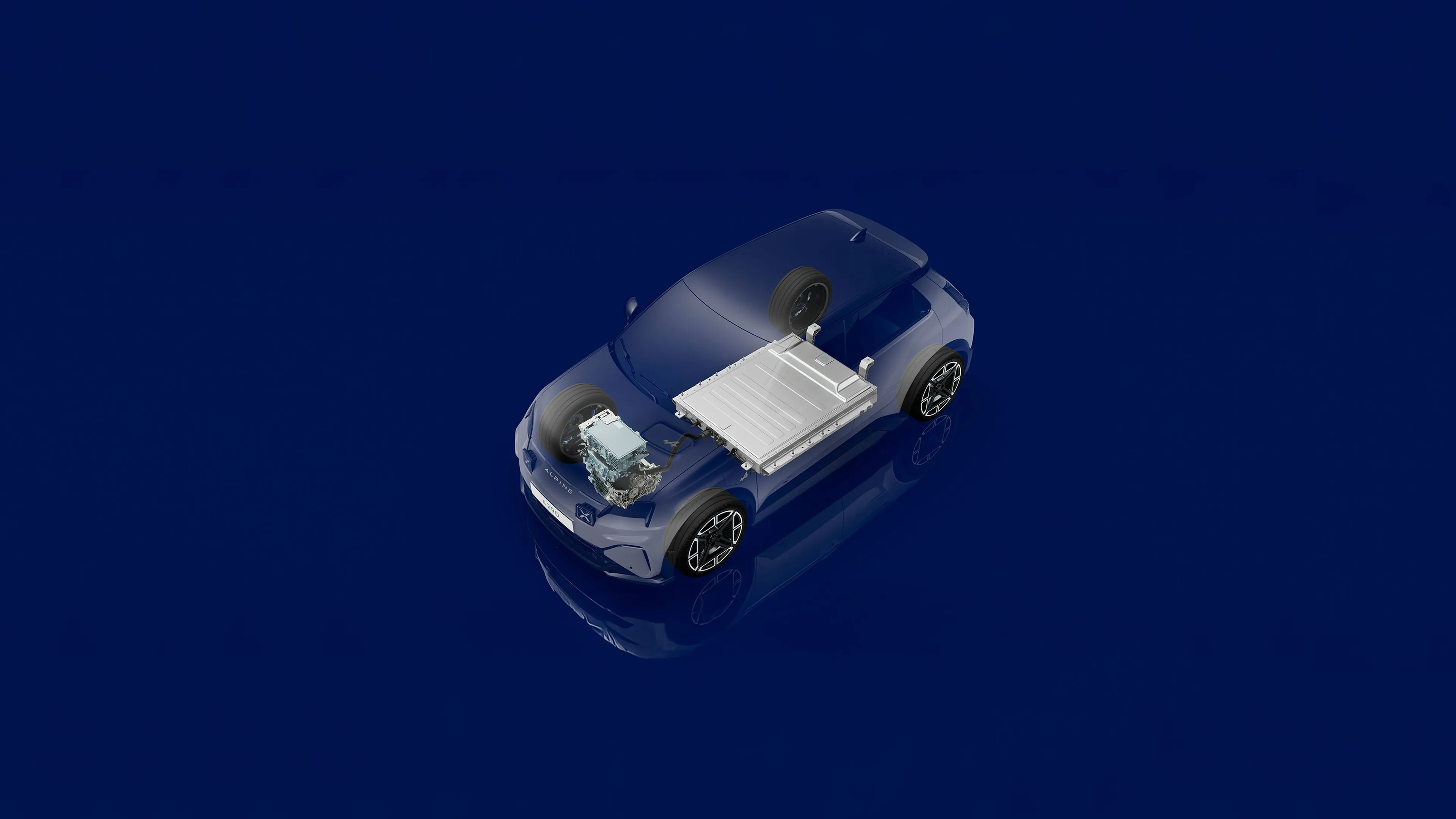
Beyond mechanical and mechatronic parts, renative’s remanufactured product range also includes more recent technologies, such as electric vehicle (EV) motors and power electronics. The Group has also developed a reconditioning offering for electric vehicle traction batteries.
In 2026, the offering has already expanded to cover more segments and categories, as well as a wider range of technologies:
Expansion of the remanufactured parts range for electric vehicles since September 2026, including electric powertrains for Scenic E-Tech and Megane E-Tech, as well as light commercial vehicles such as Master E-Tech. The range has also been expanded to include new combustion engines and additional references for rotating electrical machines (alternators and starters).
Introduction of accessories incorporating recycled materials: the textiles used in Renault Premium floor mats now contain 43% recycled material (for example, in Renault 5 E-Tech, Clio 6 and Twingo E-Tech). Other floor mat ranges and accessories are currently being developed. Dacia is also making progress in this area: its textile and rubber floor mats already incorporate recycled materials in its after-sales offering. Further new accessories are also in the pipeline.
Renault Castrol RRBO (Re-Refined Base Oil) engine oil: Renault Group has taken another step forward with its engine oils made from re-refined base oils. Since September 2026, the range has covered all Renault Group combustion-engine and hybrid vehicles in circulation in Europe, helping to reduce their carbon footprint by 13% to 24%.
Electronic repairs to parts and components in infotainment systems are becoming increasingly popular across the dealer network, driven by their cost advantage: on average, they are 50% cheaper than replacing the part, where repair is possible.
The dealer network’s expertise has also been strengthened: the launch of renative provided an opportunity to develop a training module for the network’s after-sales teams, particularly Service Advisors, to enhance their knowledge of the offering and strengthen their customer-facing sales arguments.
An e-learning course was therefore developed and rolled out with Renault Academy across around 10 European countries. To date, 75% of Service Advisors have already completed the training.
renative: a recognised commitment to sustainability
In September 2026, Renault Germany won the Automotive Aftersales Award in the “Repair & Maintenance” category with renative.
And renative’s story is only just beginning. More announcements will follow soon, building on this momentum.
FAQ
01
What is renative in after-sales?
02
Are remanufactured parts as reliable as new parts?
03
How does renative support the maintenance of electric vehicles?
renative is the name that brings together Renault Group’s circular economy-based after-sales offerings. These include remanufactured parts, reconditioned batteries, repaired electronic components, reused parts and certain products incorporating recycled materials. All renative offerings meet three inseparable criteria: manufacturer-quality standards, competitive pricing and reduced environmental impact.
Yes. Remanufactured parts offered by Renault Group meet the same performance, quality and safety requirements as new parts. They are dismantled, inspected, refurbished and then tested using rigorous industrial processes before being returned to the market. Customers therefore benefit from the same high standards of reliability and safety.
The circular economy is playing an increasingly important role in electric vehicles. Renault Group already offers reconditioned batteries, electronic component repairs and the remanufacturing of certain electric powertrain components. These solutions help extend component lifespans, preserve resources and keep repair costs under control throughout the vehicle lifecycle.