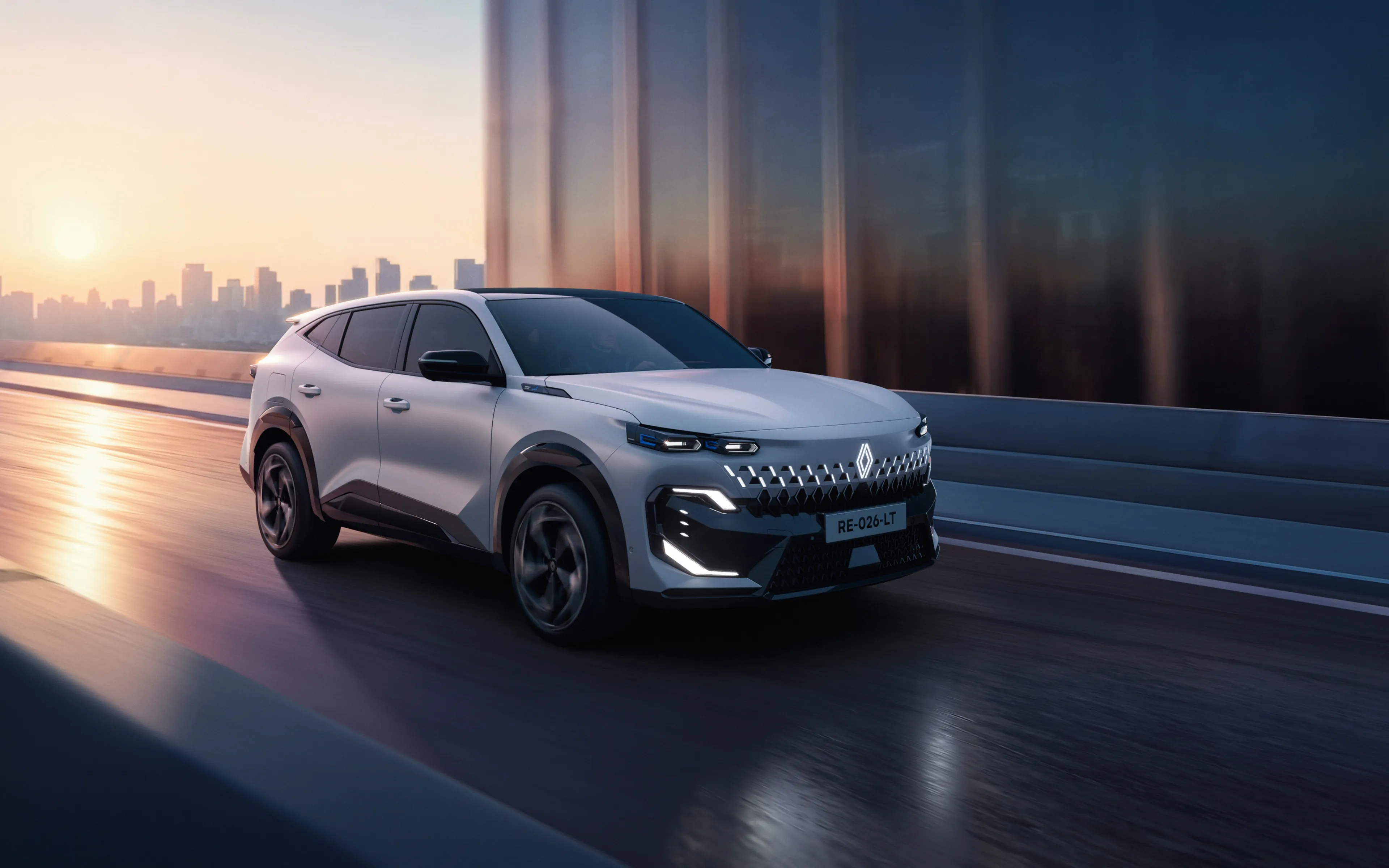
In India, Renault Duster opens a new chapter
Published on
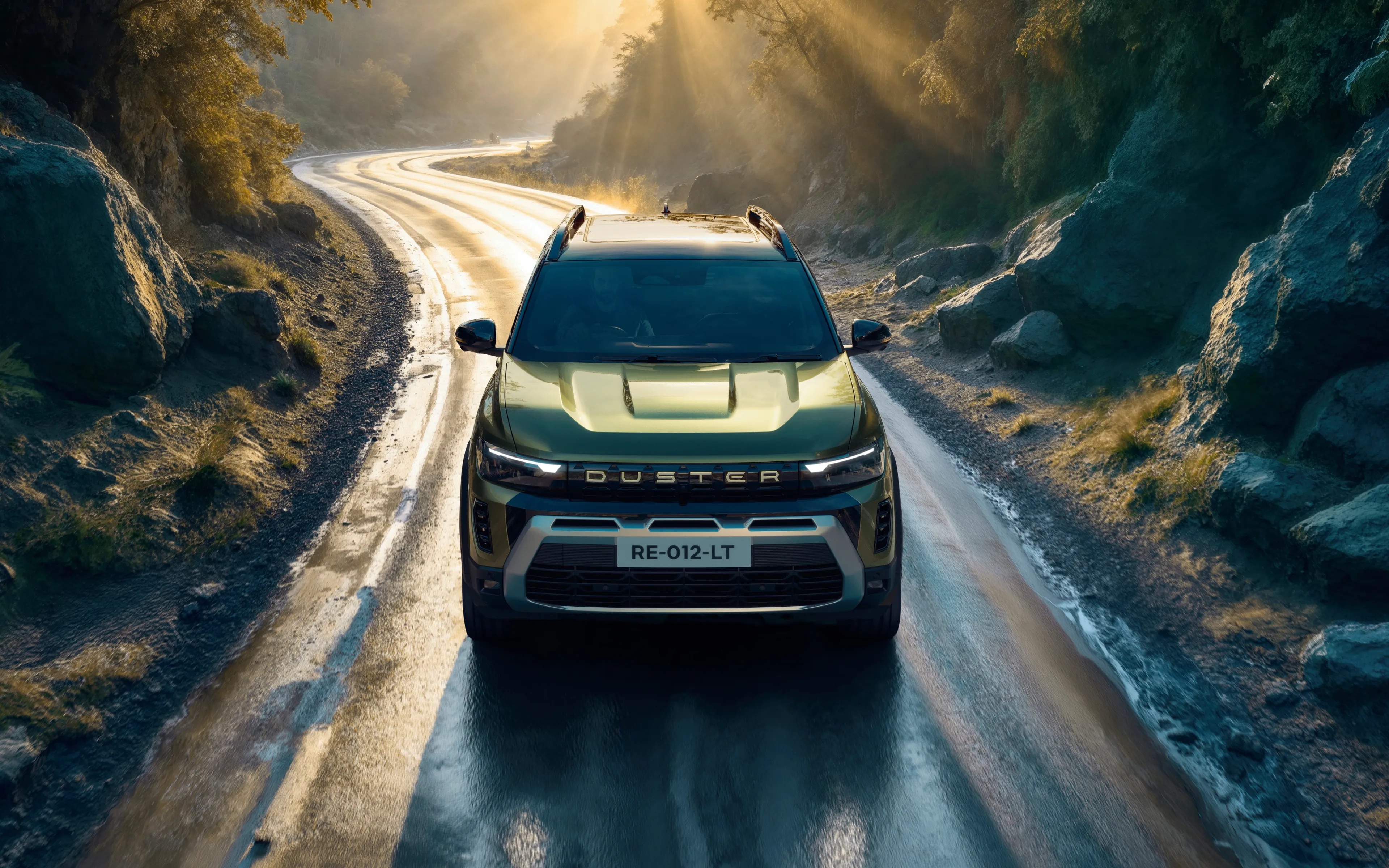
In 2012, India’s automotive landscape shifted. A compact SUV, designed to challenge established conventions, introduced a new way of getting around. Its name? Duster.
Fourteen years later, in a country that has become the world’s third-largest automotive market, the model returns in profoundly transformed form. More mature, more ambitious, it has been entirely reimagined in India to match the pace of a generation that has evolved as rapidly as its infrastructure. The new Duster marks the return of an icon, the one that paved the way for SUVs in a country now deeply passionate about this body style. A new chapter begins.
Welcome to India, a booming automotive market
With a population of 1.45 billion, a young demographic profile, rapid urbanisation and the rise of a middle class eager for individual mobility, India has become one of the most dynamic arenas in the global automotive industry. In 2025, it rose to become the world’s third-largest market, overtaking Japan and securing its place among the global top three, behind China and the United States.
In a country where the car is as much a social marker as a mobility tool, usage patterns have changed dramatically. In just over a decade, the share of SUVs has surged from 12% to more than 50%, driven by the image of versatility, modernity and status conveyed by these elevated body styles. From major metropolises such as Delhi, Mumbai and Bangalore to second-tier cities, the trend has evolved into a structural shift.
Renault identified this turning point early on and made it a cornerstone of its Renault International Game Plan 2027, the brand’s international growth strategy. India is one of its five strategic hubs (alongside Morocco, Turkey, South Korea and Latin America) with the capability to design, develop and manufacture vehicles tailored to local needs while also supplying international markets.
In Chennai, Renault’s ecosystem now brings together:
- a high-level engineering centre,
- Renault’s largest design centre outside France, inaugurated in 2025,
- and a manufacturing plant now wholly owned by Renault, serving as a key industrial pillar for the Group in India.
Against this backdrop, the return of the Duster takes on a strategic dimension. India is no longer merely an important market, it is becoming a driver of innovation and competitiveness for Renault.


Duster, the compact SUV that paved the way
When it arrived in India in 2012, Duster stood out as an outlier in a market dominated by small city cars. Its high driving position, rugged design and versatility immediately appealed to customers discovering a new way of approaching the road. Duster went on to create the B+ SUV segment, a category that did not previously exist and is now central to the preferences of Indian motorists.
With more than 200,000 units sold, it quickly became far more than a popular model: a companion associated with adventure, freedom and personal achievement. For many Indians, purchasing a Duster marked a symbolic milestone. The model thus travelled not only across landscapes, but through family stories as well, ultimately securing a place in the collective memory.


Its disappearance left a void. In a market dominated by national giants (with Maruti, Mahindra and Tata accounting for nearly two-thirds of sales), Duster occupied a singular, almost iconic position. Its return in 2026, to a country reshaped by a decade of growth and new usage patterns, therefore generated genuine anticipation. The challenge, however, was to ensure that this revival told a new story, without betraying what the model has always stood for.
Duster, a design inspired by India
For this new generation, Renault relied on its automotive design centre in Chennai, a place where Indian and European teams work side by side, closely attuned to local usage patterns. This approach has given rise to a model that speaks the language of today’s India.
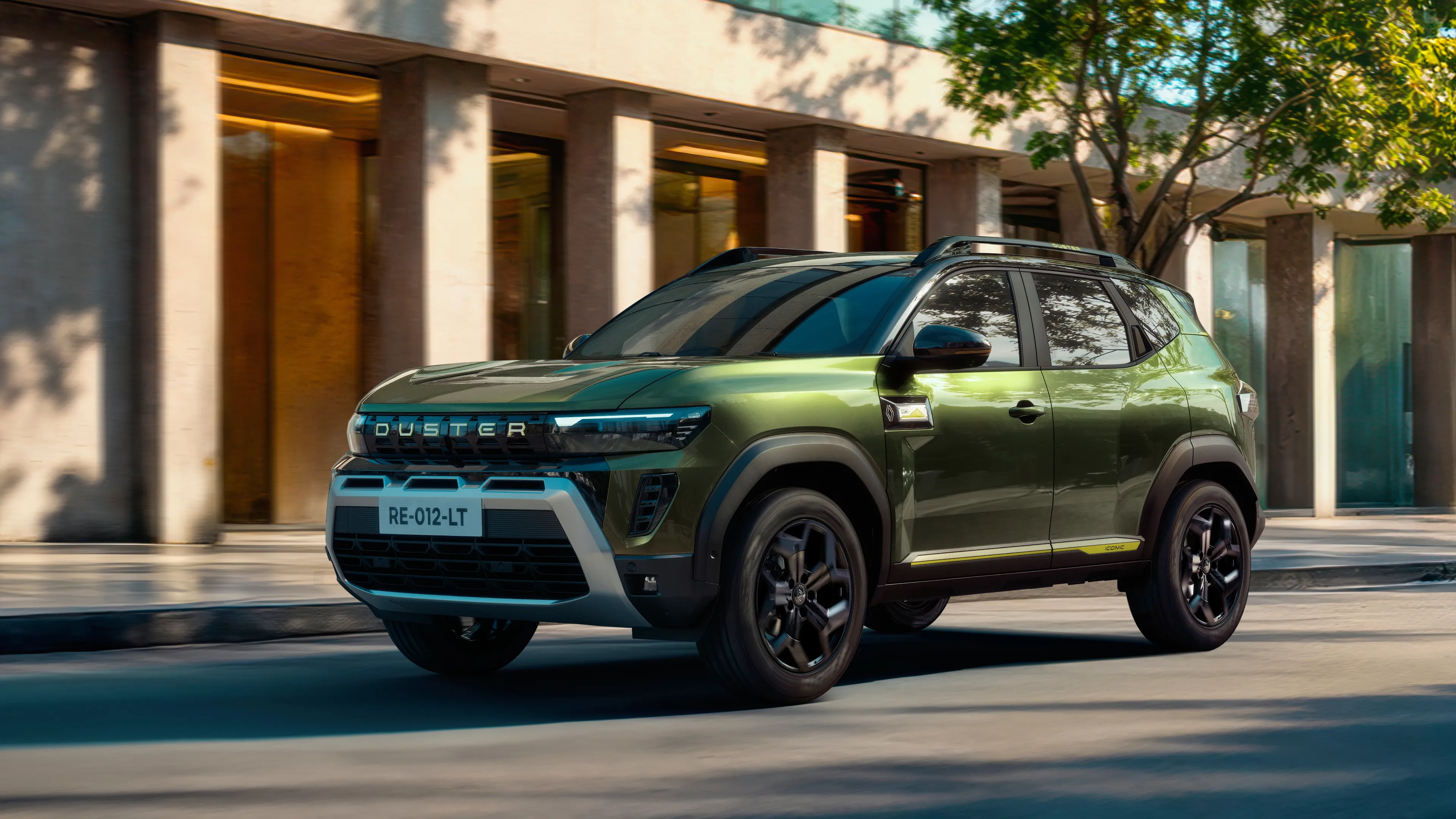
The new Duster adopts a more contemporary design, with taut, assertive lines. The robustness of the first generation remains, now wrapped in a more elegant and status-oriented stance. The front end gains in presence, the rear light signature stretches to enhance width and the overall design conveys a sense of confidence aligned with market expectations.
Inside, the atmosphere has been completely reimagined. The dashboard adopts a more horizontal layout, a large central screen manages multimedia and connected functions, and more refined materials create a welcoming, modern environment. The integration of Google Automotive Services, a first for Renault in India, further enhances the experience, delivering an intuitive system that mirrors everyday digital habits.
An efficient vehicle platform
When it comes to driving, the new Duster is built on a new modular platform developed by Renault Group, designed to accommodate the country’s wide range of uses, from broad urban arteries and narrow peripheral roads to uneven terrain. The upcoming introduction of an E-Tech full hybrid engine will address growing demands for energy efficiency, while preserving genuine driving pleasure.
Safety has also been enhanced with a suite of 17 driver-assistance systems designed to meet real-world conditions. Drivers need not worry about them: everything operates seamlessly in the background, delivering a smooth and reassuring experience.
The new Renault Duster does not seek to break with its heritage; rather, it offers a contemporary reinterpretation. It retains the qualities that made the model successful (robustness, versatility and character) while embracing the codes and expectations of a rapidly evolving market.


An Indian automotive story still unfolding
With New Duster, Renault is doing more than reviving a bestseller. The brand is reactivating a symbol deeply embedded in India’s automotive landscape, an iconic vehicle returning with a renewed vision: more contemporary, more technological and more closely aligned with local usage patterns. In 2026, Duster opens a new chapter in India before continuing its journey to South Africa and the Middle East. A trajectory worthy of a model that changed the game in 2012 and now returns to accompany the road to the 2030s.
FAQ
01
Why did Renault Duster make such a strong impact on the Indian market?
02
How does the new Renault Duster differ from its predecessor?
03
Why is India so strategic in Renault’s global strategy?
Because as early as 2012, it opened up the compact SUV segment, establishing itself as a versatile, robust and accessible model, with more than 200,000 units sold locally.
It features a more contemporary design, a fully modernised interior and an enhanced digital experience thanks to the integration of Google Automotive Services, while preserving the adventurous spirit of the original model.
Because it has become the world’s third-largest automotive market and a key hub within the Renault International Game Plan 2027, supported by a complete ecosystem of manufacturing, engineering and design based in Chennai.