From Chennai to the world: how India is reshaping Renault Group’s strategy
Published on
Updated on
Article summary
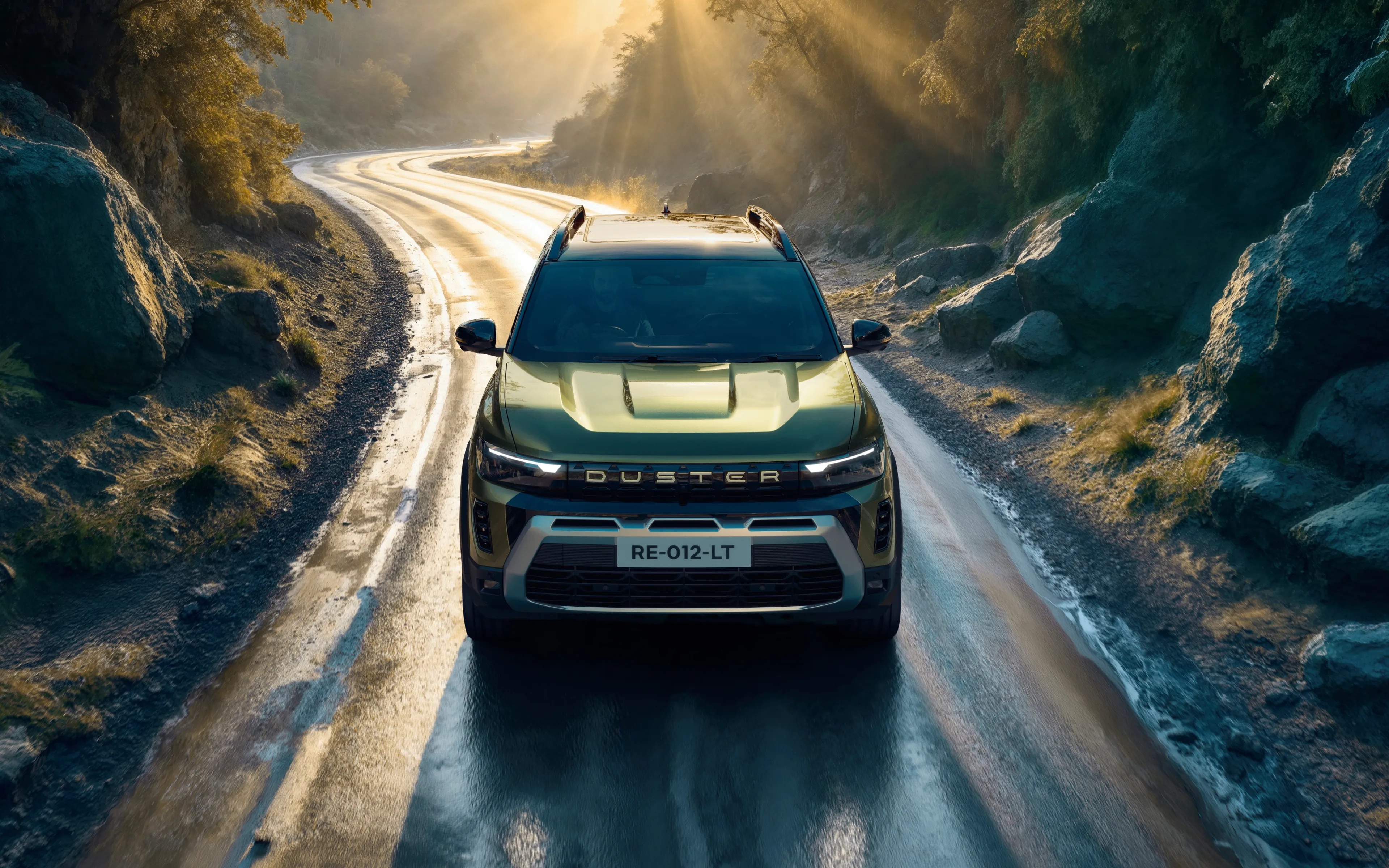
As the world’s third-largest automotive market, India is moving forward at high speed. Driven by a young population, increasingly demanding consumers and a booming SUV segment, it is now establishing itself as a key territory for international carmakers. For Renault Group, this momentum takes on a particular significance. The return of the Duster acts as a catalyst, revealing the transformation of our commercial presence into a true industrial, technological and strategic hub, capable of influencing far beyond India’s borders. With the Group’s new plan, “futuREady,” India is emerging as one of the regions where this strategy is being implemented most concretely, in close alignment with market dynamics and customer needs.
India, a rapidly evolving automotive market
For a long time, India was primarily seen through the sheer scale of its market and its growth potential. Today, the landscape is more complex, and far more dynamic. The country has risen to become the world’s third-largest automotive market, behind China and the United States, and now ahead of Japan. It continues to deliver some of the strongest growth in the industry. But beyond volumes, it is the very nature of demand that is evolving.
Indian consumers are young, connected and well-informed. They are looking for vehicles that can adapt to multiple uses: dense and congested urban environments, long-distance travel, family life and weekend getaways. In this context, SUVs have emerged as the benchmark segment. In just over a decade, their market share has grown from a marginal level to more than half of all passenger vehicle sales.
This transformation is accompanied by intensifying competition. New launches are multiplying and expectations are moving upmarket. Price remains a key factor, but it is no longer enough. Design, onboard technologies, comfort, space and brand image now play a decisive role. India has become a market where success depends as much on the relevance of product choices as on a deep understanding of local usage.


Renault Group in India, an integration reshaping the market
It is in this context that Renault Group has significantly strengthened its footprint in India. Present in the country for over twenty years, the Group has reached a new milestone by fully integrating its local operations. The full acquisition of the Chennai industrial site in 2025 marks a strategic turning point: India now benefits from one of Renault’s most comprehensive ecosystems worldwide, with a total workforce of 15,000 employees.


Built around this production site, recognized for its quality and competitiveness, is a leading engineering center with 6,000 engineers specializing in vehicle architecture, software, and simulation, as well as Renault’s largest design center outside France, inaugurated last year. This close integration of design, engineering and manufacturing helps shorten development timelines and tailor vehicles to the realities of the Indian market, while meeting the Group’s global standards.
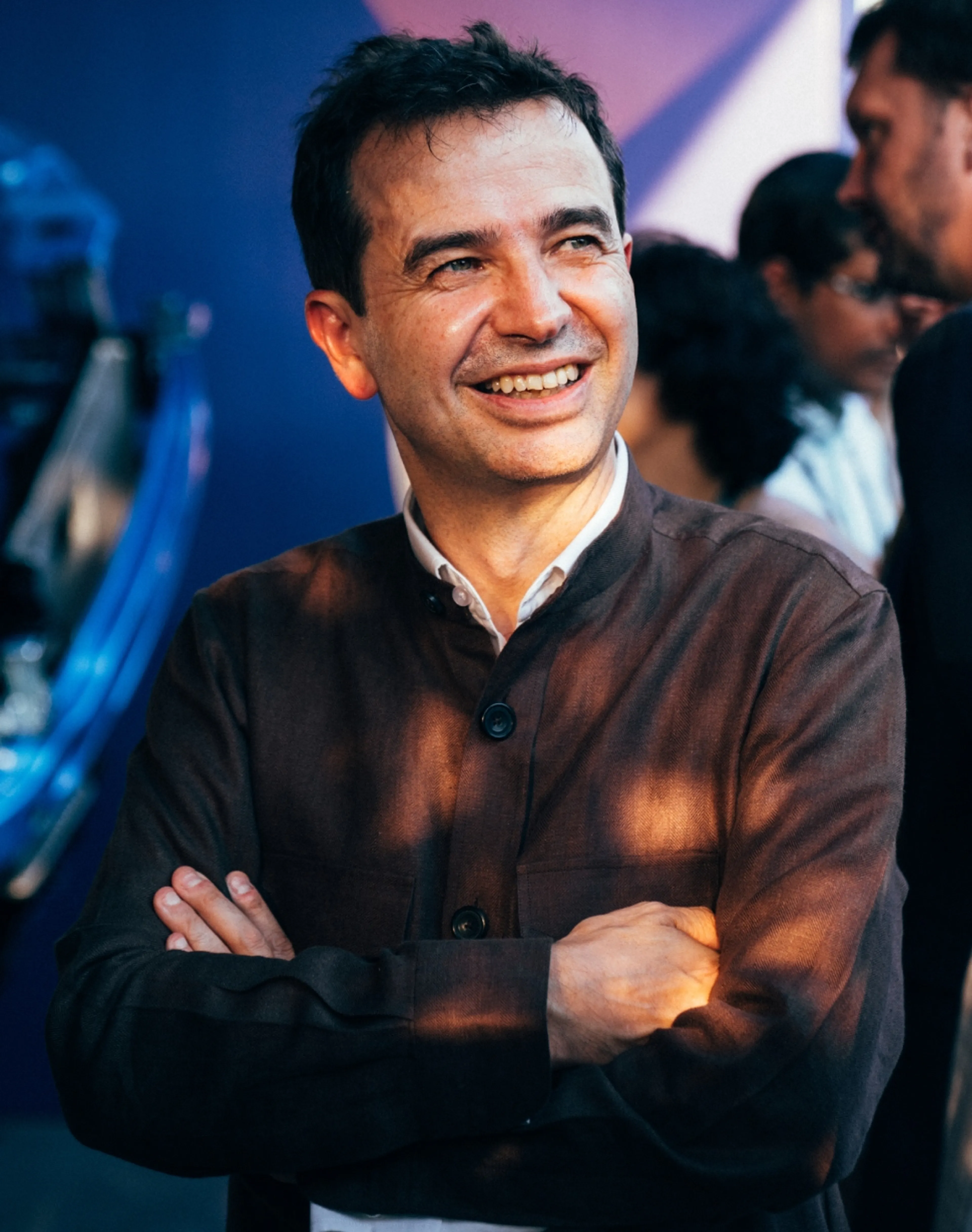
“Few regions in the world bring together such a complete value chain in a single location. This level of integration gives us speed, agility and a deep understanding of local expectations, three decisive advantages in today’s automotive industry.”
Stéphane Deblaise
CEO Renault India


This integrated organization is also supported by a dense and rapidly transforming commercial network, with more than 350 sales outlets and 450 service sites across the country. The goal is to strengthen proximity with customers, enhance their vehicle ownership experience and build lasting trust in a market that is both highly demanding and dynamic.


In Renault Group’s international strategy, India now holds a position comparable to that of its other hubs (Latin America, Morocco, Turkey and South Korea). It is no longer just about meeting local demand: the country is establishing itself as a true hub, capable of operating across the entire value chain, from vehicle development to industrialization, with an increasingly global reach.
Duster, the starting point of a new Renault momentum in India
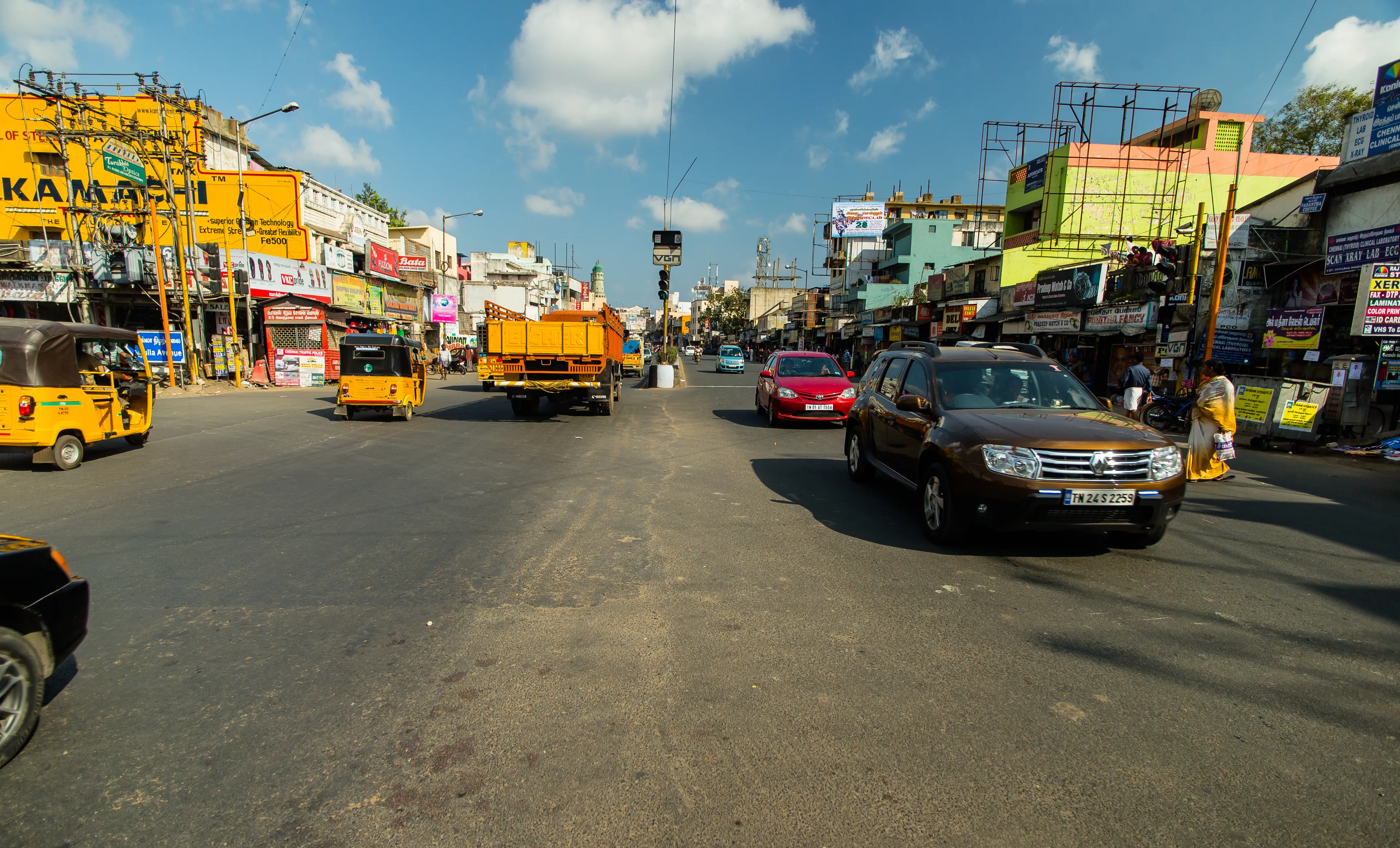
The return of Renault Duster is fully aligned with this new phase. In 2012, the model made its mark on the Indian market by paving the way for the compact SUV segment. With more than 200,000 units sold, it quickly established itself as a benchmark, associated with robustness, versatility and a certain spirit of adventure.
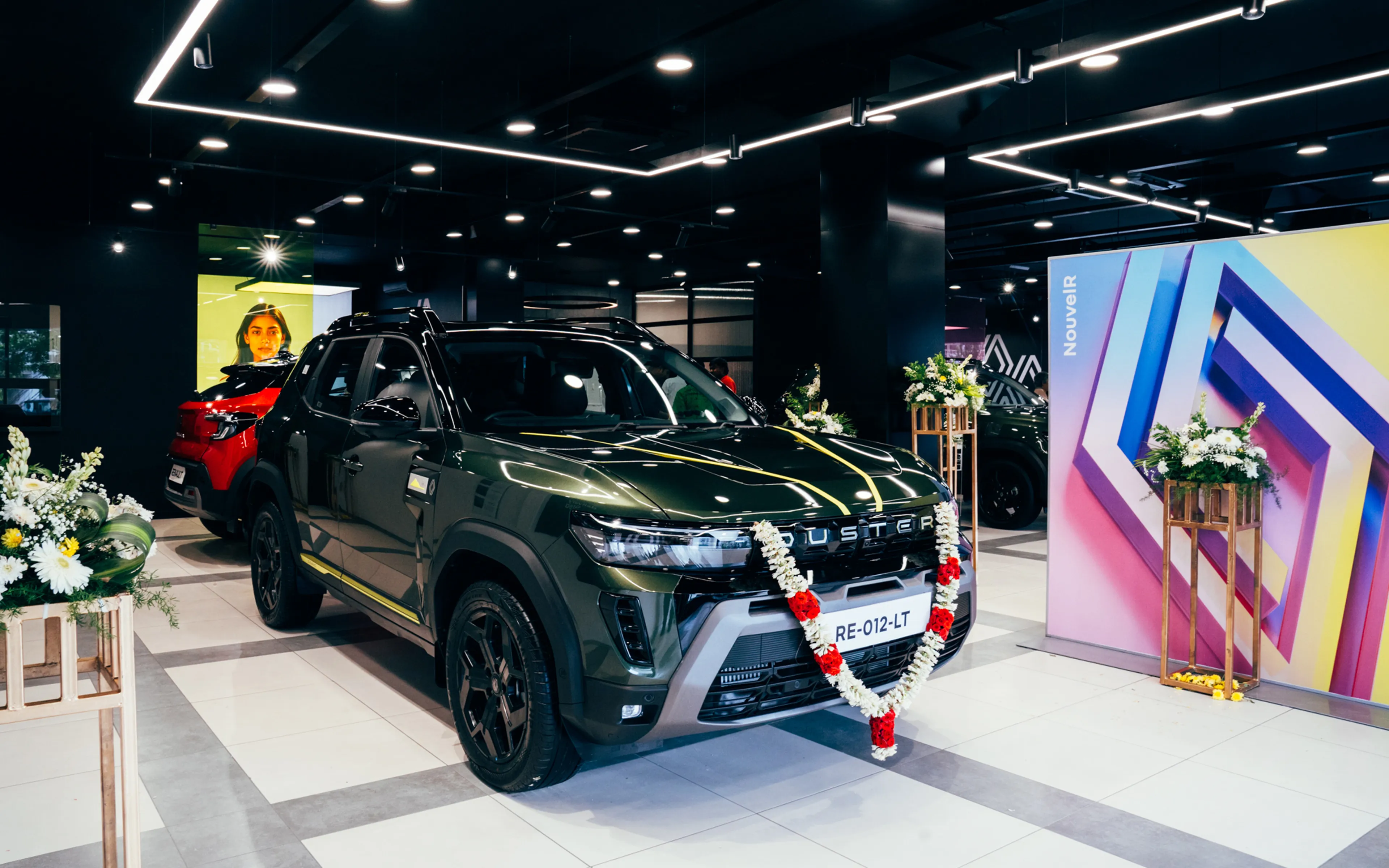
Today, Duster is making its return in a profoundly transformed environment. The market has matured, expectations have evolved and technology has become central. The new Duster has been designed to meet these demands. Developed and produced in Chennai, it embodies Renault Group’s ability to create vehicles that align with local usage while fitting into a broader international ambition.
The introduction of Full Hybrid E-Tech technology, a first for Renault in India, illustrates this pragmatic approach to innovation. It provides a concrete response to the challenges of sustainable mobility by combining energy efficiency, ease of use and driving pleasure. Built-in connectivity, comfort features and the attention given to interior space also reflect an upward shift in positioning, in line with the current expectations of Indian customers.


Beyond the product itself, the Duster plays a catalytic role. It supports the revival of commercial momentum, strengthens the utilization of the Chennai industrial site and underpins the Group’s ambition to double its local production volumes in the medium term. It also marks the beginning of a broader renewal of the lineup, set to accelerate in the coming years to cover a wider range of segments in the Indian market.
An unprecedented product lineup renewal
With futuREady India, Renault Group is taking a new step forward, positioning India as one of its most strategic markets for the years ahead. In particular, the Group is launching its most extensive product renewal to date. Four new vehicles, including the new Duster, will complement the current lineup (Kiger, Triber and Kwid), bringing the range to a total of seven models by 2030. This strategy is backed by a clear ambition: to reach a 5% market share by 2030 and make India one of Renault’s top three markets, supported by an expanded product portfolio closely aligned with the expectations of Indian customers.
This evolution is accompanied by a pragmatic approach to electrification, tailored to local realities, with a mix of technologies designed to address diverse usage patterns and adoption rates.
At the same time, the country’s role is expanding. Beyond the domestic market, India is set to strengthen its industrial footprint and contribute more significantly to the Group’s development efforts, leveraging two complementary platforms to enhance competitiveness in entry-level segments while supporting the move upmarket and the electrification of the range.
A trajectory that confirms India’s central role in creating sustainable value for Renault Group.
A future taking shape in India
India is thus emerging as one of the key territories where Renault Group is actively building its future. A future shaped by modular platforms, purposeful technologies, vehicles designed and produced as close as possible to customers and an organization capable of extending its reach internationally.
The return of Duster is the natural entry point to this transformation. But beyond this iconic model, it is a comprehensive long-term strategy that is taking shape, embodied by the futuREady plan. A trajectory set to accelerate in the years ahead, in step with a market that continues to stand out for its energy and its capacity for transformation.
FAQ
01
Why is India strategic for Renault Group?
02
What role does the Duster play in Renault’s strategy in India?
03
Is India also a production hub for exports?
Because it combines rapid growth, a young and demanding population, strong industrial potential and a pragmatic capacity for innovation. As the world’s third-largest automotive market, India is now one of the key pillars of Renault Group’s international strategy outside Europe.
The Duster is both an icon and an accelerator. Its return symbolizes Renault’s rising momentum in India and embodies a new generation of products developed locally, with technologies tailored to Indian usage patterns.
Yes. The Chennai site is one of Renault Group’s major industrial hubs. Since its opening, it has produced more than three million vehicles and exports to over 100 countries, strengthening India’s global role within the Group’s industrial footprint.