Made in South Korea: how Renault Group adapts to the world’s most competitive automotive market
Published on
Larger, quieter cars loaded with the latest in connectivity and tech are key to winning over Korean consumers
Key takeaways
A French company well-established in South Korea: Renault Group has made its mark in one of the most competitive automotive markets on the planet by combining its French design with 25 years of industrial presence and local engineering.
Cars tailored for Korean journeys: comfortable, ultra-quiet, and technology-packed large SUVs meet the expectations of users who spend long hours in their vehicles.
A car that lives at the pace of local tech: infotainment, embedded AI, remote updates, and services developed with Korean partners make the car a fully-fledged digital object.
A seamless customer experience, from click to road: 24/7 showrooms, online services, and home delivery: Renault Group adapts to the daily lives of Korean drivers.
Renault Group is no stranger to the globalization of the automotive industry. With nearly 40 percent of its sales coming from outside of Europe, it’s the number one French automotive brand in the world. That title was achieved by developing a deep understanding of the wants and needs of drivers on every continent and merging it with the extensive expertise gained by decades of performance at home.
Take South Korea, for example. It’s one of the most competitive car markets in the world. And yet, by embedding itself deep within Korean culture, over the course of the past 25 years, Renault is now third place on the podium in the country.
The foundation for this success? Merging Renault brand’s powerful, expressive design and the adoption of the latest technologies with a strong focus on localized engineering, production, and market understanding.
“Our motto, ‘Born in France, made in Korea,’ allows us to design cars adapted to the Korean market, while leveraging the Renault brand,” says Nicolas Paris, CEO of Renault Korea, speaking at Renault Technology Korea, located just outside of Seoul, South Korea.
Act globally, design locally
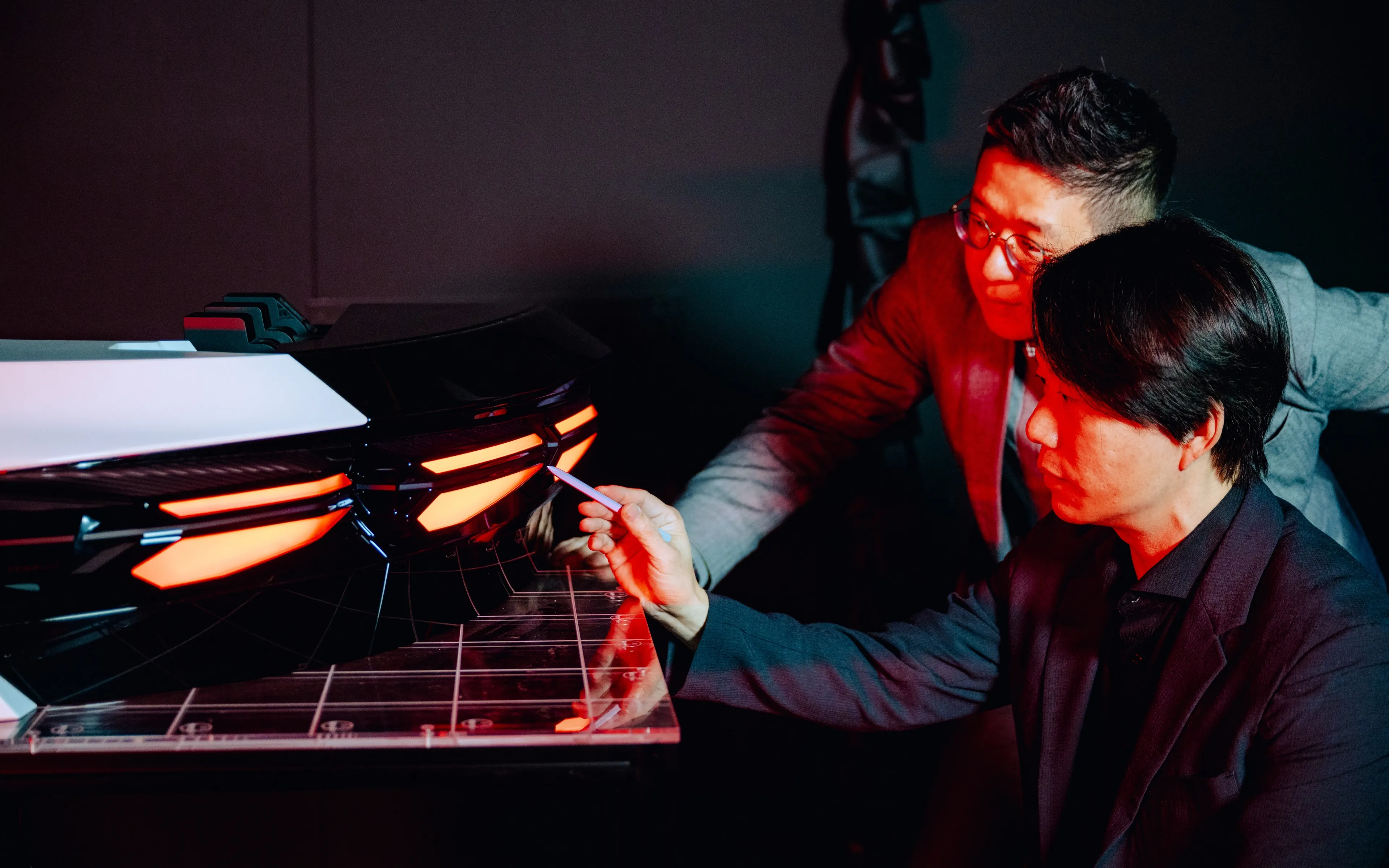
“It’s very hard to design cars for Korea from the center of Paris,” says Laurens van den Acker, Chief Design Officer for Renault Group, speaking about the company’s Seoul Design Center. “So it’s really good for us to have feet on the ground, work with local designers on our very international team, and live the life that our customers are living.”
According to Van den Acker, observation and understanding are a big part of Renault’s brief when designing vehicles for Korea. This is easily borne out by the brand’s latest models, which incorporate the decades of hard-earned experience Renault has in the country in both their style and their feature set.
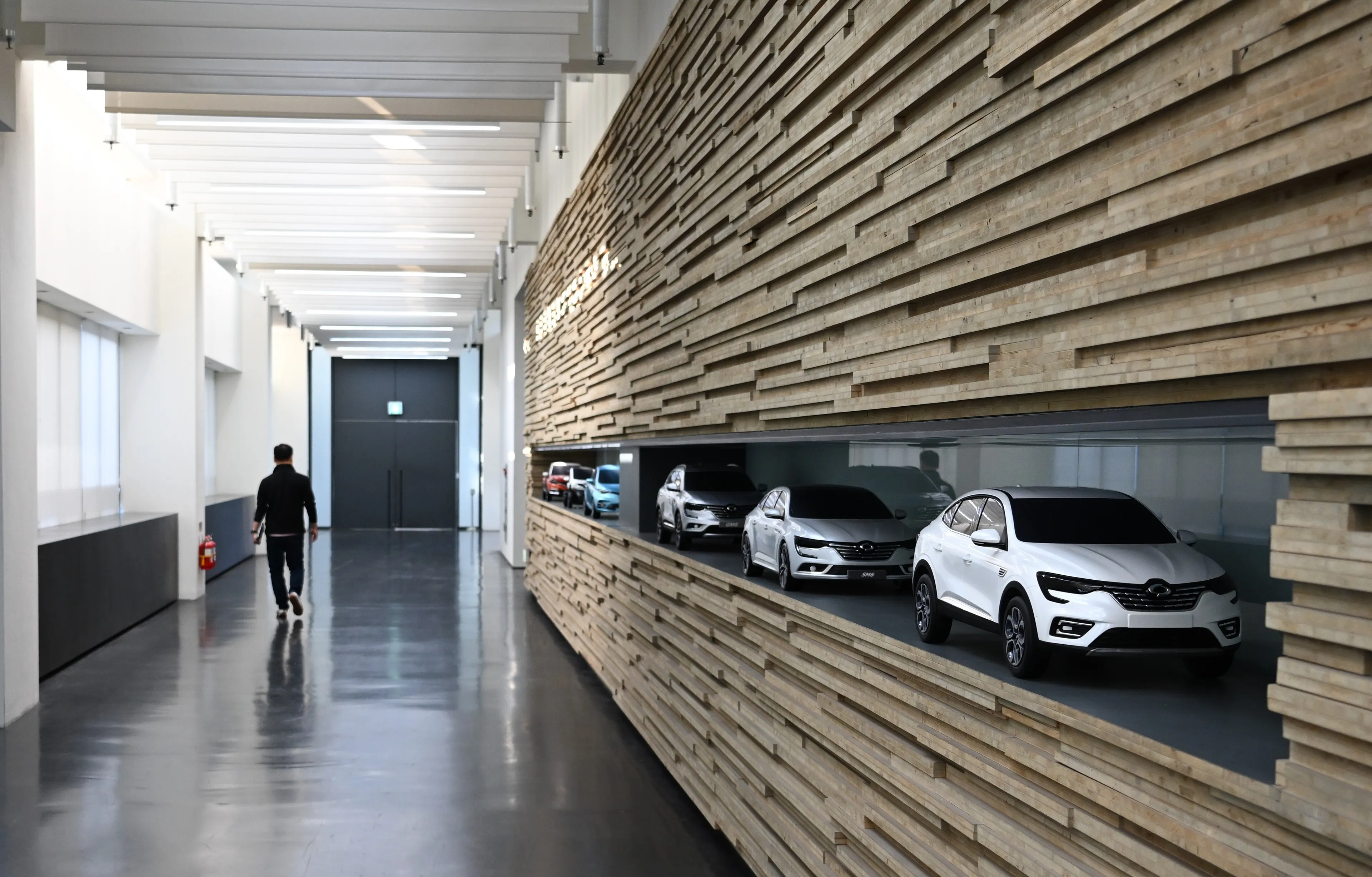
Think big(ger)
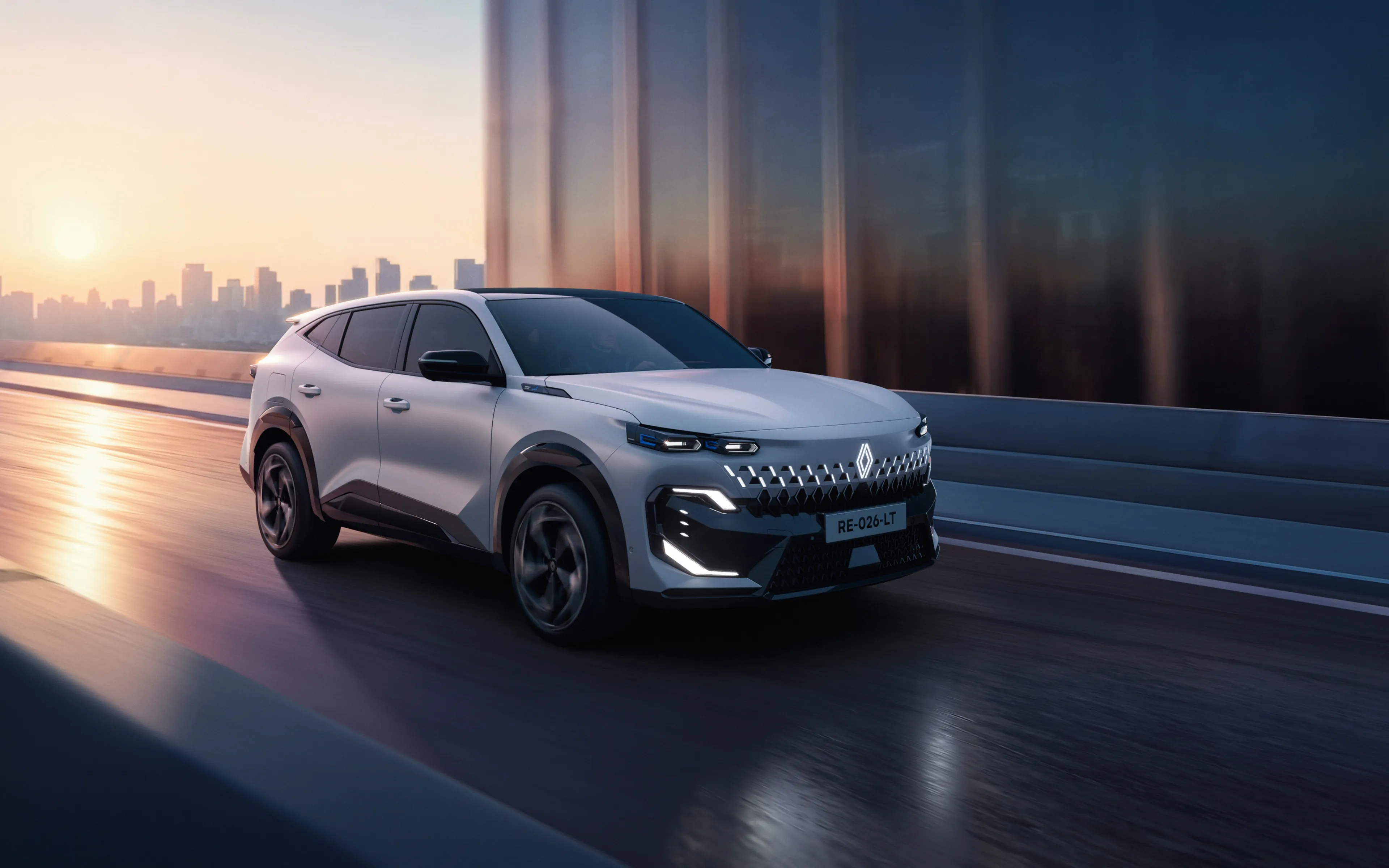
Renault’s line-up reflects the realities of what Korean customers are looking for in a vehicle. It begins with a focus on the mid- and large-size D and E segments, with the Grand Koleos SUV and the new Filante crossover reflecting the desire for more upscale, comfort-oriented autos. While smaller-size vehicles are also available, Renault is focused primarily on these larger options, which are a better match for the country’s tastes.
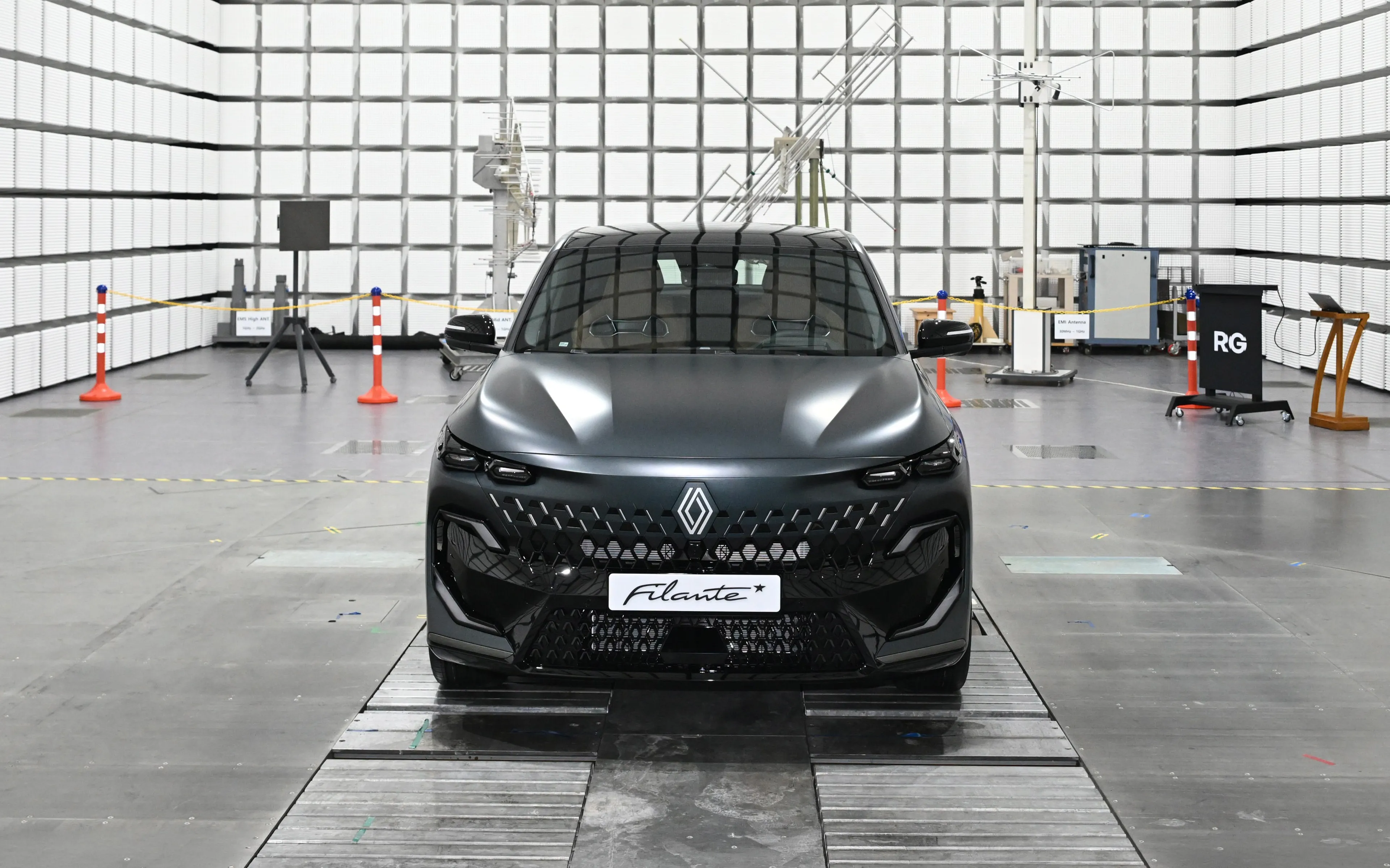
It’s not enough to simply right-size the showroom, of course. It’s also crucial to understand the features and driving experience prized by Korean buyers, which is why Renault has made significant investments in its Renault Technology Center Korea (RTK) facility. Since 2000, RTK has served as the center of development and engineering of larger vehicles in the automaker’s portfolio, with testing facilities that ensure Renault models meet the exacting standards required to compete in the country.
Silent success
Key among the country-specific adaptations made by Renault was turning the spotlight on driving noise. The difference between Korean expectations and those of European buyers here is stark.
“Thirty-seven percent of initial quality concerns [in South Korea] are related to noise and vibration, compared to 7 percent in France,” says Paris. That’s an increase of more than five times, making it a crucial aspect of developing vehicles for this country.
A quiet car is perceived to be a mark of high quality among Korean drivers, and the RTK facility prioritizes silencing squeaks, rattles, and intrusive road noise through extensive testing. This doesn’t just apply to the sounds that might intrude into the cabin, but also the multimedia experience enjoyed by driver and passengers. That experience is carefully sculpted by the Renault engineers who double as passionate audiophiles inside the cozy anechoic listening chambers where its automotive audio systems are developed.
This focus on silence and a proper interior sound stage has led to a host of changes to the new Filante SUV compared to the Grand Koleos that came before it. These include structural damping upgrades (such as laminated glass at the front of the vehicle) and advanced insulation techniques (sealing up any intrusion through the large panoramic sunroof or the rear cargo door, along with insulating foam inside the tires themselves to reduce transmission from the asphalt). Plus, active noise cancellation technologies work through the stereo system to further reduce bothersome sounds. Altogether, the effort reflects the “morning calm” experience expected by car buyers.
How does it come together on the road? In addition to traditional real-world driving tests, RTK is capable of putting thousands of kilometers on each of its platforms with advanced simulators that shake, rock, and roll actual vehicles using completely customizable rigs that compress months and years of abuse into considerably shorter timelines.
Stay connected on a killer commute
Another important aspect of the Korean motoring experience is the amount of time that drivers are in their cars. Traffic is a continual stressor in major metropolitan areas like Seoul and Busan, where the average commuter spends up to 1 hour and 40 minutes behind the wheel every day, according to Renault Group.
Because they’re so often in their cars, Korean drivers expect seamless integration of technology in their vehicles. Korean customers are more attuned to the infotainment and connectivity capabilities presented in an automobile, and expect them to reflect their affinity for using tech outside of the car. This led to the creation of the Renault Korea Software Studio in early 2025.
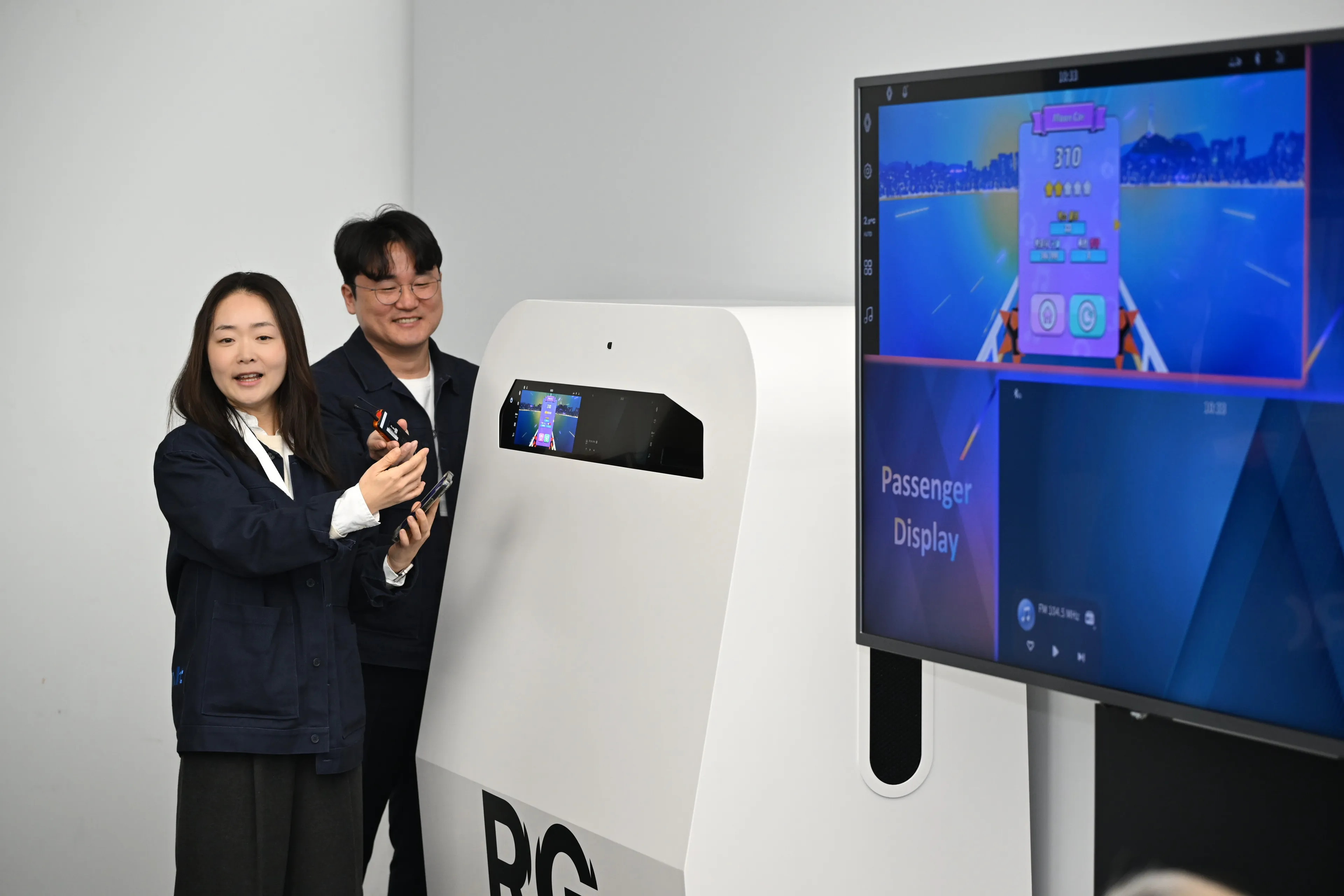
Adopting a start-up mentality, the Studio works to move quickly from the idea to the product stage in order to keep up with the rapid pace of Korea’s tech-focused culture, pushing new apps, updates, and features into vehicles through continual over-the-air updates.
The first fruits of this venture include an AI Car Expert that allows owners to ask questions and interact with their vehicle using natural speech, as well as in-car gaming and shopping, customizable themes for displays in the cabin, and the integration of popular media streaming services. Renault also has a strong partnership with Korea’s Tmap Mobility, which brings its expertise in mapping and navigation software to the company’s vehicles.
A helping hand at the wheel
Korea’s combination of heavy commuter traffic and well-designed, modern roads has also pushed high adoption rates for advanced driver assistance (ADAS) features. That same robust Korean 5G data network coverage that makes Renault’s advanced infotainment and connectivity software possible also translates into a high potential for state-of-the-art features that help reduce some of the driving burden.
Currently, Renault’s Active Driver Assist advanced cruise control system and its Full Auto Parking Assist lead the pack in dealing with the more frustrating aspects of Korea’s driving environment. The partnership with Tmap also allows for vehicle-to-X communication represented by features like real-time traffic light guidance that is linked to a city’s infrastructure. Expanded self-driving capabilities tied to enhancing the level 2 semi-autonomous features already available in Renault models are also on the horizon.
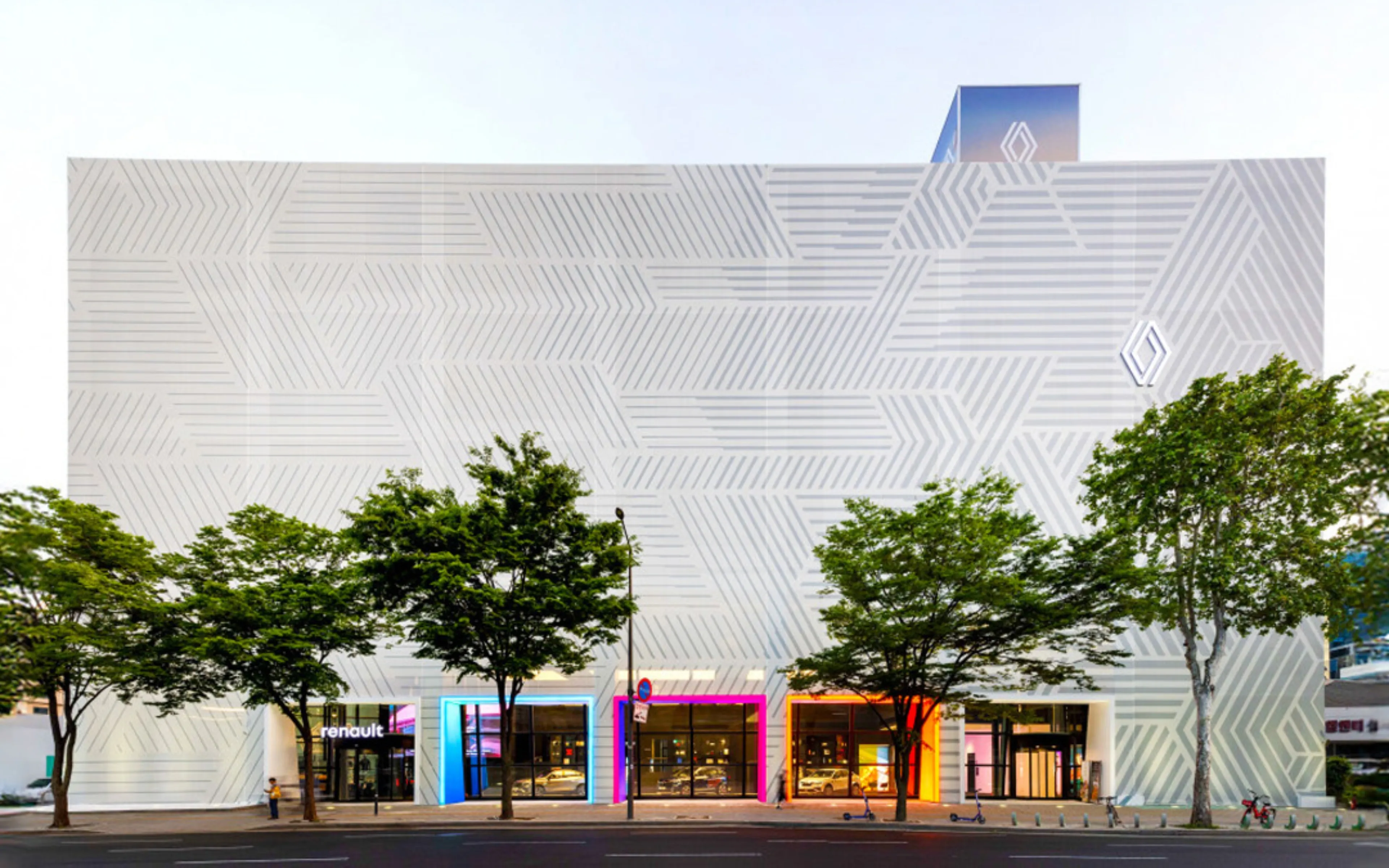
Gangnam-style showrooms
Meeting Korean customers on the level of their technological expectations occurs outside the car, too. A perfect example? The Renault Gangnam showroom, which is open 24 hours, seven days a week, offers AI vehicle consultations and online test-drive bookings in addition to an on-site restaurant. Customers can even have an automobile delivered to them rather than making the trek to a dealership.
Ultimately, this strategy bridges the physical and the digital world by merging the convenience and versatility of online access, research, and advice, with the reality that Renault’s automobiles are designed to be experienced directly on Korean streets and highways.
In South Korea, Renault Group demonstrates its agility. Shared platforms, locally rooted partnerships, innovations tailored to Korean expectations: the automaker is cracking one of the world's most challenging markets. Far from merely being present, Renault Group is deploying a winning strategy to fuel its international expansion.
FAQ
01
Why is South Korea a strategic market for Renault Group?
02
What does the concept "Born in France, made in Korea" mean?
03
How are Renault cars sold in Korea different?
04
What role does digital technology play in this strategy?
05
How is Renault reinventing customer relations in Korea?
Because it is one of the most competitive automotive markets in the world, dominated by powerful local players and very demanding customers in terms of comfort, quietness, and embedded technologies. Succeeding there requires a deep adaptation of the product and the customer experience.
It is the philosophy that guides Renault Group in South Korea: relying on the identity and know-how of the French brand, while locally designing and producing vehicles conceived for the specific needs of Korean users.
They are bigger and particularly focused on comfort, acoustics, with a strong emphasis on cabin quietness, perceived quality, and driving aids.
The car becomes a fully connected object: software developed in Korea, embedded AI, remote updates, navigation and entertainment services born from partnerships with local technology players.
By offering a ‘phygital’ experience: continuously open high-tech showrooms, AI-assisted advice, online test drive booking, and home delivery of the vehicle, from click to the bustling streets of Seoul.