Renault Brazil is shaped by more than 25 years of history
Published on
As the sixth-largest market for Renault Group, Brazil is one of the pillars of the Group’s international expansion. Renault recently unveiled the models that will support its new phase of development in the country, notably Boreal. But to fully understand what this country represents for the brand, one must look back at more than twenty-five years of industrial and local history. From the inauguration of the Ayrton Senna Complex in 1998 to the creation of Renault Geely do Brasil, the country has been the stage for continuous transformation, through new vehicles, innovations and a strong commitment to society. A look back at the journey so far and the next steps ahead.
The São Paulo Motor Show: a showcase of a history deeply anchored in the country
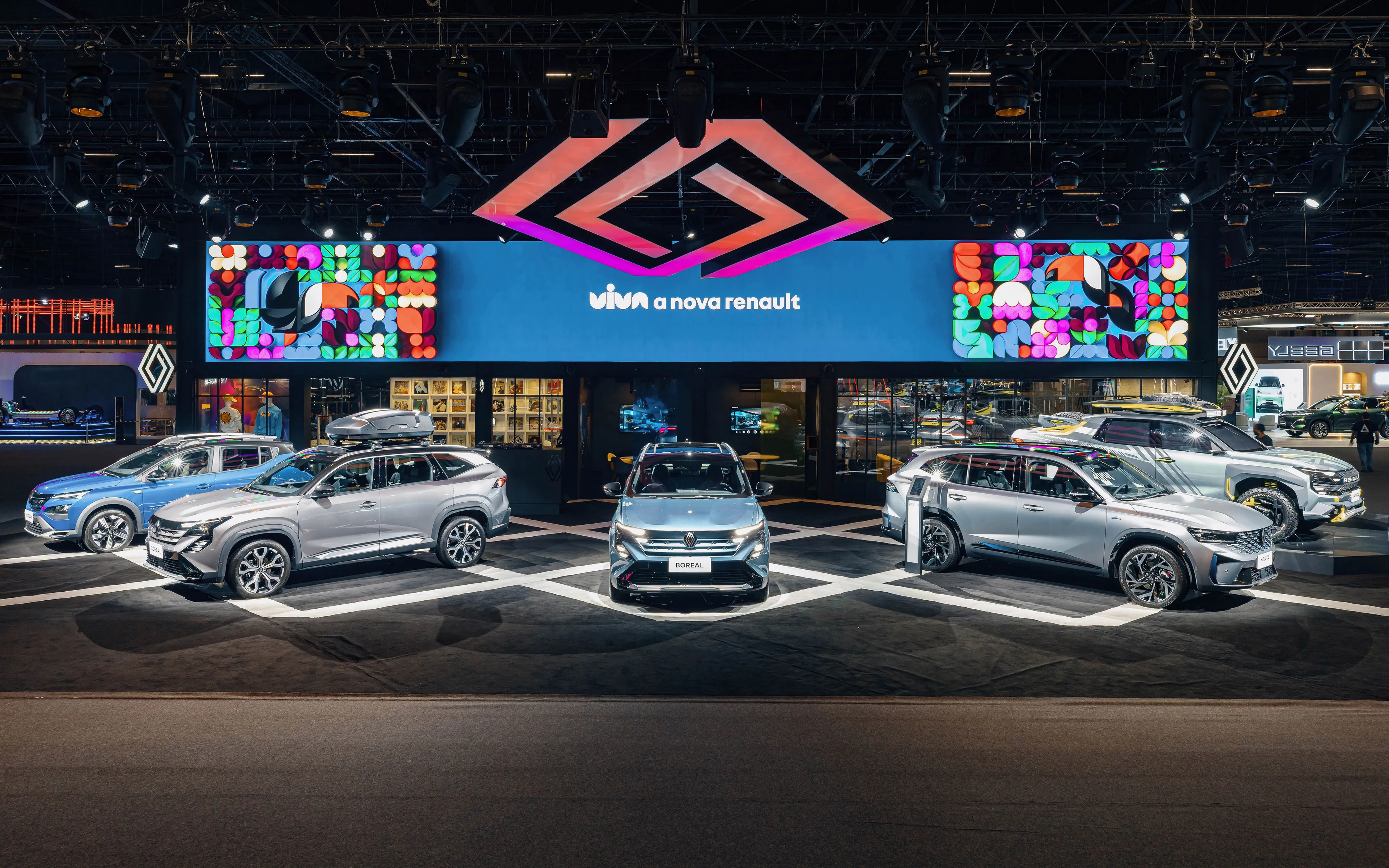
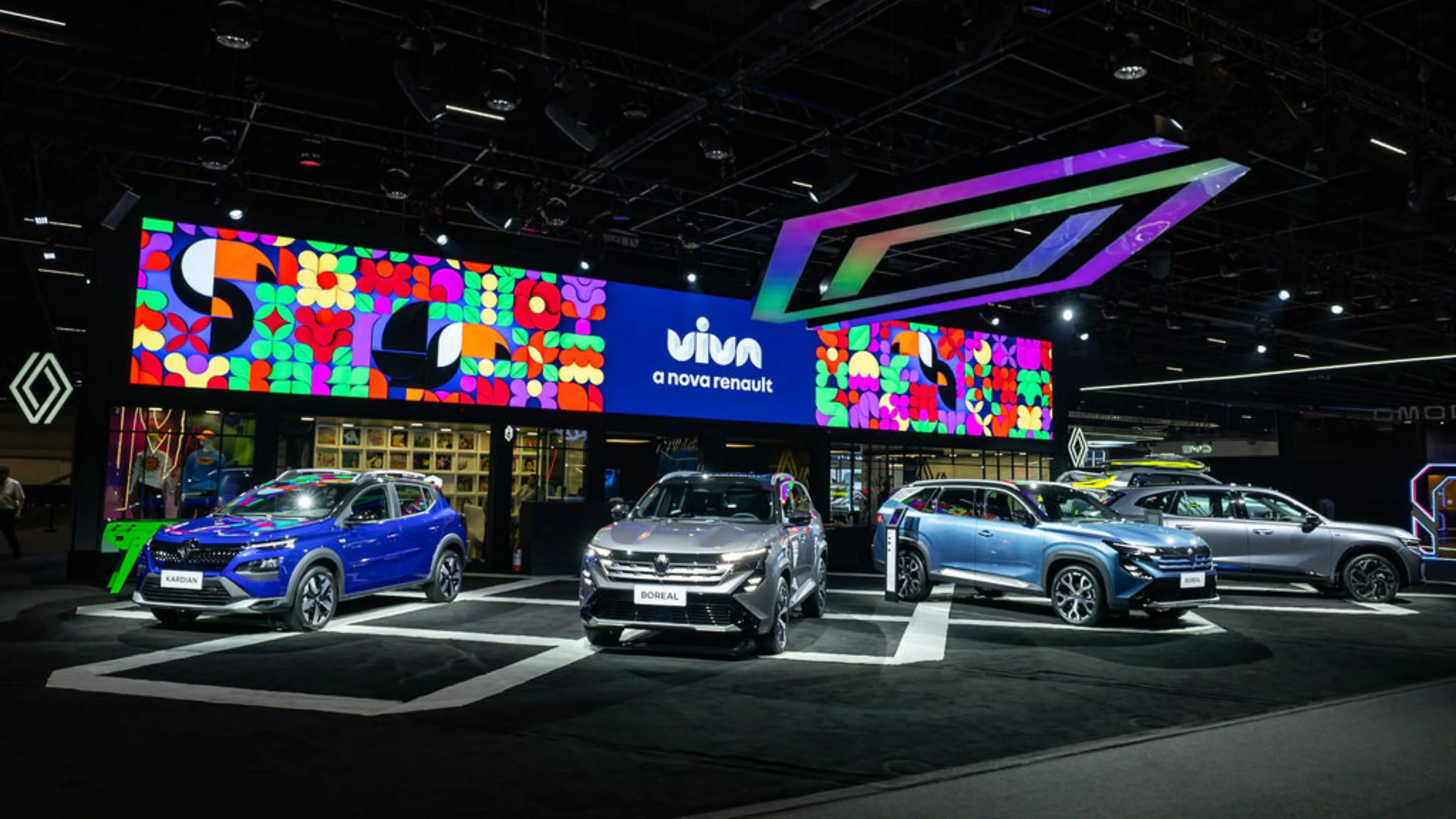
Each edition of the São Paulo Motor Show offers a snapshot of the state of the automotive market in Brazil, and more specifically of Renault in Brazil. Last November, the presence of Boreal, Kardian, Koleos and Niagara Concept illustrated the country’s strategic importance for the brand. As Renault Group’s sixth-largest market worldwide in terms of sales volumes, Brazil holds a position rooted in a long-standing relationship between the company and the country.
The story began in 1996, when Renault chose the state of Paraná to establish a new industrial site. Two years later, the Ayrton Senna Complex was inaugurated, marking the starting point of a lasting presence. Since then, every Renault appearance at the Motor Show has been part of this ongoing story, highlighting the close ties between the brand, its manufacturing facilities and Brazilian customers.
The São Paulo Motor Show is therefore not merely a product showcase; it has become one of the places where the results of this decades-long relationship are made visible.
From Renault’s arrival in Brazil to its first industrial successes
When Renault Group opened its industrial complex in Brazil in 1998, the ambition was clear: to produce locally for the Brazilian and South American markets, while gradually developing a range designed for local needs and uses.
Here are some key milestones from this initial phase:
- 1998: start of production with the Renault Scénic, the first MPV manufactured in Brazil.
- 1999: launch of Clio and opening of the powertrain plant.
- 2000s: diversification with Master, followed by the launch of Sandero and Logan in 2007, which went on to achieve strong commercial success.
- 2011: production of the one-millionth vehicle at the Ayrton Senna Complex.
- 2015: launch of Oroch, Renault’s first pickup in Brazil.
- 2017–2022: expansion and renewal of the range, with the arrival of Captur, New Kwid and new versions of Master, Oroch and Duster.
At the same time, the Curitiba site continued to grow, strengthening its role within the regional economic ecosystem.


Renault Curitiba: a site that has kept pace with the sector’s transformations
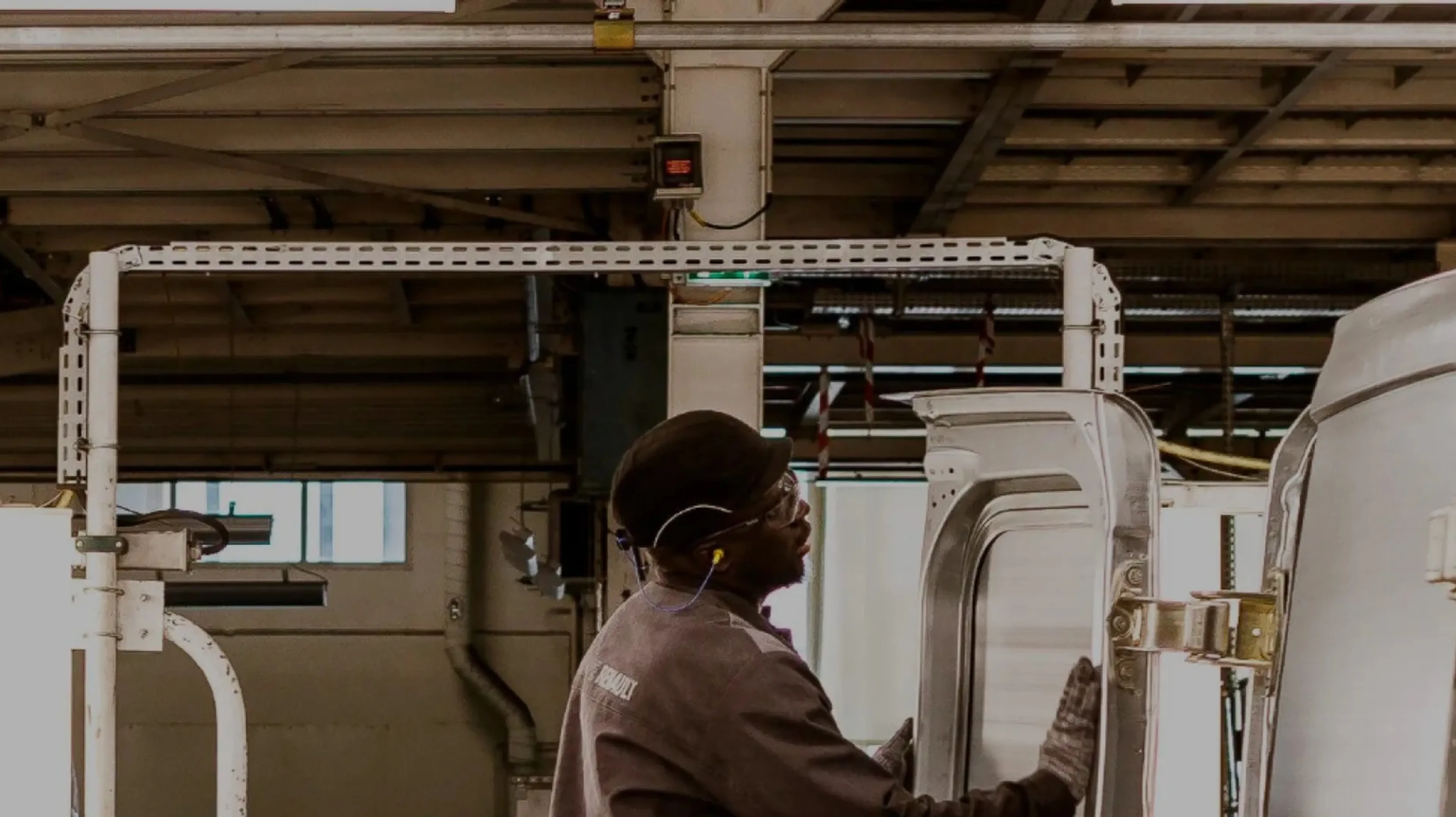
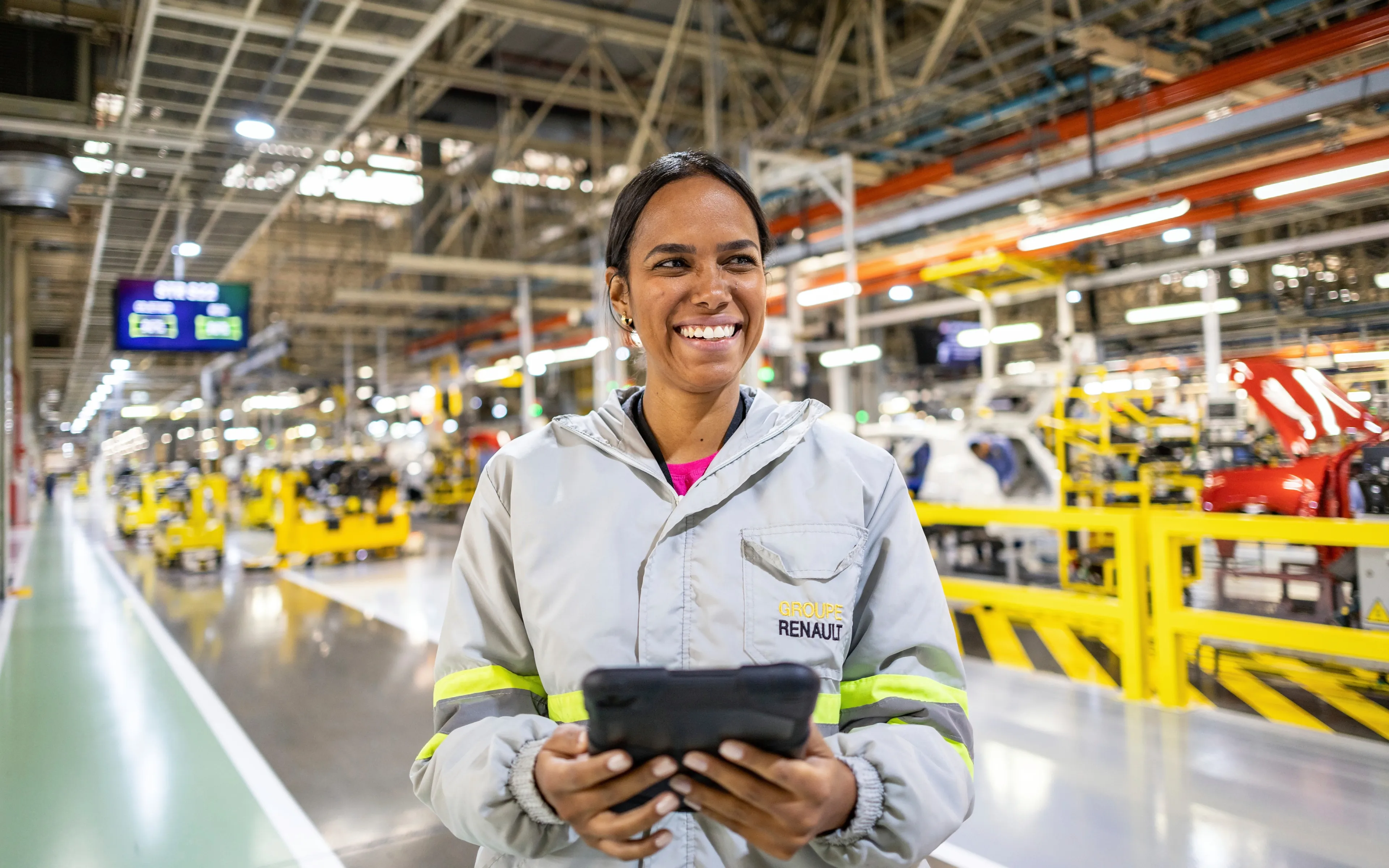
The Ayrton Senna Complex has continued to evolve since its creation. From 2016 onward, its industrial transformation accelerated, with the integration of digital tools and methods inspired by Industry 4.0.
Among these developments:
- Use of simulation tools and digital twins to optimize assembly lines.
- Development of AI-based quality control solutions, analyzing thousands of images every day, following the model of an industrial metaverse.
- Establishment of a 3D printing center, producing parts used during testing and industrialization phases.
- The integration of environmental practices, including zero waste since 2016 and the increasing use of solar-generated electricity.
The site has received recognition from the World Economic Forum as an Industry 4.0 industrial site, confirming its role as a benchmark within the Group. Groupe.


In 2023, Renault also inaugurated the Renault Design Center LatAm within the complex. It has become the creative hub for vehicles designed for Brazil and Latin America, such as Kardian and Niagara Concept.


An industrial journey rooted in social and local engagement
Renault’s presence in Brazil goes beyond the industrial sphere. Since 2010, the Renault Institute has been running social programs focused on inclusion, road safety and local entrepreneurship. More than 800,000 people have already benefited from these initiatives.
Among the most significant actions:
- Support for the Borda Viva association, which promotes circular economy by producing accessories from recycled materials.
- The Women@Renault program, aimed at improving the representation of women in the industry and fostering more inclusive working environments.
- The achievement of the Great Place to Work certification in 2021 and 2023.
In 2023, a museum retracing the 25-year history of the Curitiba site was inaugurated, highlighting Renault’s deep cultural and historical roots in the region.


Renault Geely do Brasil takes off
The story continues today with a major development announced for 2025: the creation of Renault Geely do Brasil, resulting from enhanced cooperation between two groups already well established in Brazil. This structure will bring together Renault Group’s industrial capabilities and Geely’s multi-energy technologies.
The objectives of Renault Geely partnership include:
- producing new low-emission vehicles in Brazil for both partners;
- expanding the range of vehicles distributed in the country;
- enhancing the industrial attractiveness of the Ayrton Senna Complex;
- accelerating local development through the sharing of platforms and expertise.
At the 2025 São Paulo Motor Show, the models on display offer a glimpse of the opportunities that this new organization will create. Renault Geely do Brasil builds on a story that began nearly three decades ago, while opening a new chapter structured around strengthened industrial capabilities and an expanded product offering.
Since establishing operations in the state of Paraná in the 1990s, Renault has built a strong industrial presence, modernized its production facilities, developed a range tailored to local needs and established a long-term dialogue with Brazilian society. With the creation of Renault Geely do Brasil, a new cycle is beginning. It will combine Renault’s industrial strengths with Geely’s multi-energy technologies, while building on the local expertise developed over more than 25 years. Brazil is thus reaffirming its role as a major pillar of Renault Group’s international strategy.
FAQ
01
When was Renault Brazil founded?
02
Which iconic cars have been produced by Renault in Brazil?
03
What role will Renault Geely do Brasil play?
Renault established itself in Brazil in 1996 and inaugurated the Ayrton Senna Complex in 1998. Since then, the site has become one of the Group’s industrial pillars in Latin America.
Several key models have been produced locally: Scénic, Clio, Sandero, Logan, Duster, Oroch, Kwid, Kardian and now Boreal.
Renault Geely do Brasil will enable the production of new multi-energy vehicles and the expansion of the offering on the Brazilian market. This structure will rely on the Curitiba facilities and will strengthen Renault’s presence in the country.