Renault shifts into high gear in the Brazilian market
Published on
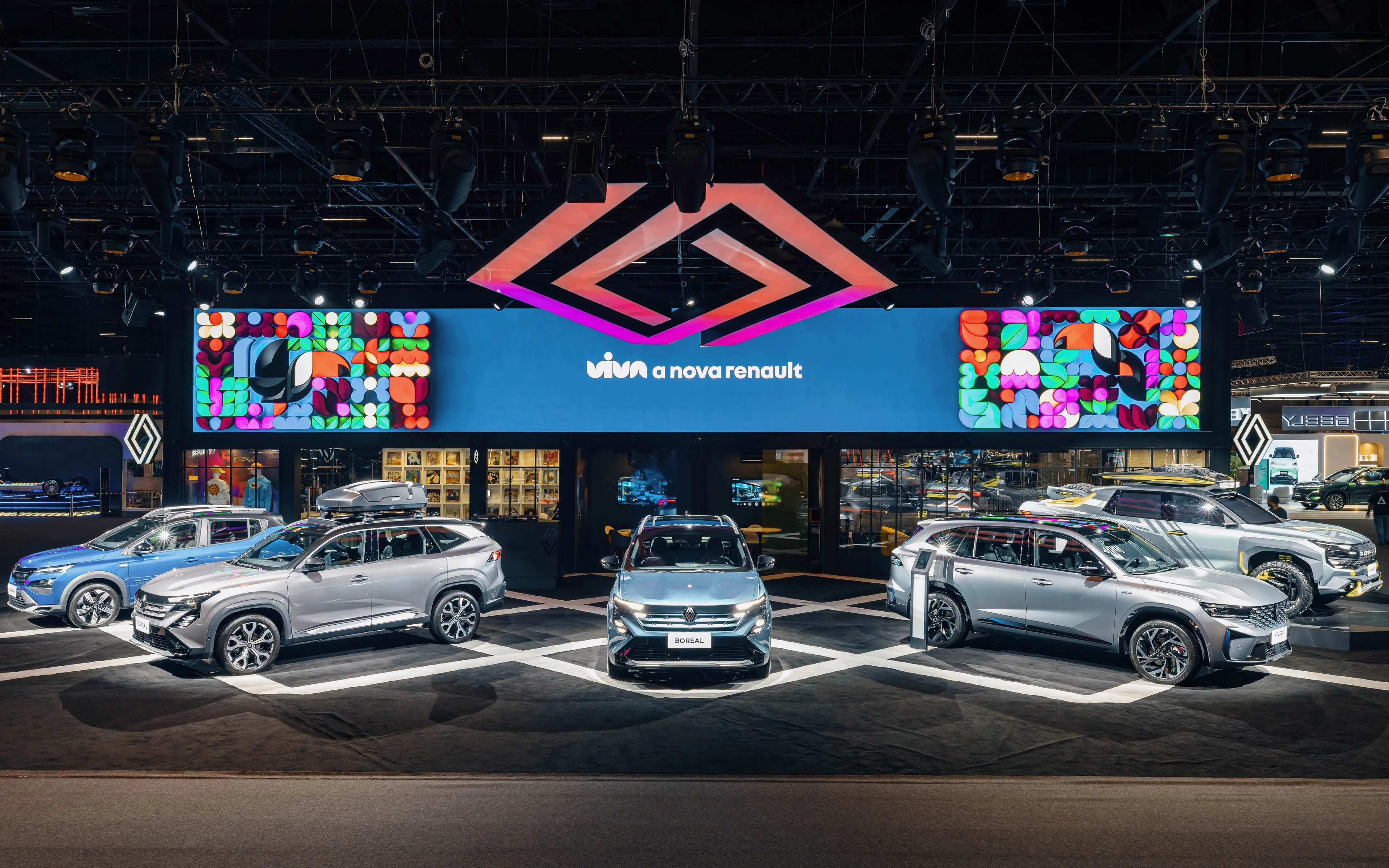
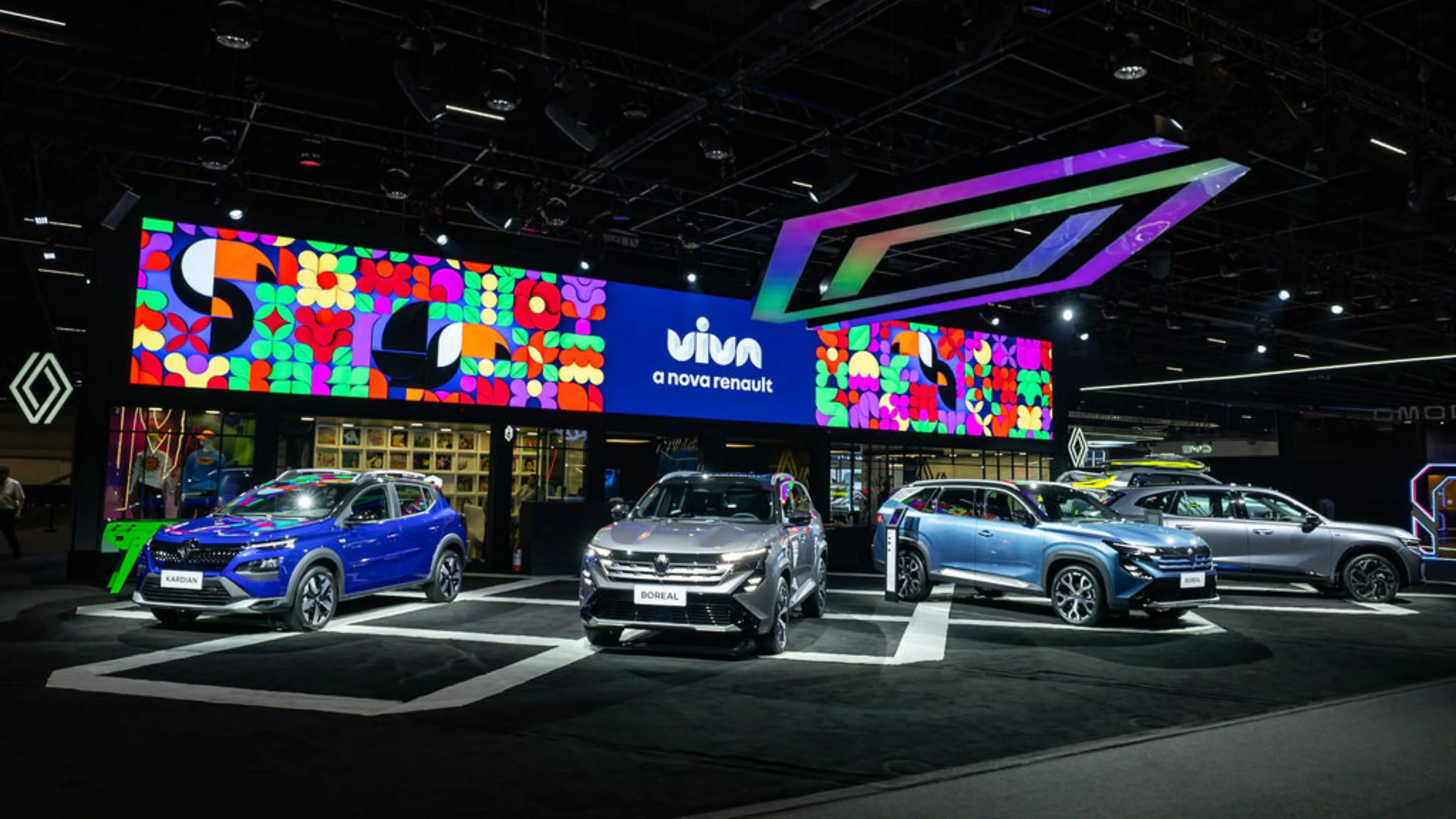
At the São Paulo Motor Show, held from November 22 to 30, Renault presented several models for the Brazilian market, which is now the Group’s sixth-largest worldwide: the launch of Boreal, a strengthened presence of Kardian, the display of the Niagara Concept, described as a vision of the brand’s future pickup, and confirmation of the arrival of Koleos in 2026. These vehicles are part of the brand’s growth momentum, combining lineup renewal, industrial modernization and adaptation to local uses. In São Paulo, Renault demonstrated how it continues to make progress in Brazil, taking into account the specific needs of customers and developments in the automotive sector.
In São Paulo, an expanded lineup to meet the expectations of the Brazilian market
The São Paulo Motor Show gave the Renault brand an opportunity to showcase several models that will play an important role in its local development. Boreal, the new C-segment SUV, was the main highlight of the stand. Its modern design, digital cockpit and safety features position it within a particularly dynamic segment in Brazil.
Alongside it, Kardian confirmed its place within the Renault lineup on the Brazilian market. Recently launched, it targets customers looking for a versatile, well-equipped compact SUV. Renault also confirmed the arrival of Koleos in 2026 and showcased the Niagara Concept, a vision of the brand’s future pickup, an especially competitive segment in Latin America.
This expanded lineup represents an offer tailored to local expectations, notably with very high levels of equipment.


A Brazilian market shaped by specific usage patterns
The Brazilian automotive market has specific characteristics that influence manufacturers’ choices and consumers’ expectations.
Brazilian drivers often travel long distances and use a wide variety of roads. Vehicles therefore need to offer strong adaptability, which explains the importance of SUVs in local sales.
Connectivity and driving assistance
On-board technologies such as multimedia systems and driver assistance features (ADAS) play an increasingly significant role in purchase decisions. Renault is therefore gradually integrating these features across its local lineup.
Gradual energy transition
Although electric vehicles are gaining ground, their adoption remains more gradual than in Europe. Flex-fuel engines, compatible with ethanol, still hold an important position. Renault is supporting this transition by offering suitable powertrains and preparing for the arrival of new energy solutions in line with the market’s pace.
These trends are reflected directly in the models presented in São Paulo, designed to meet a wide range of uses.
Curitiba, a key industrial site for Renault in Brazil
The Ayrton Senna Complex, located in Curitiba, plays a central role in Renault Group’s operations in Brazil. Since 1998, it has produced several million vehicles and continues to evolve to integrate new manufacturing technologies.
Today, the site combines robotics, digital tools, automation and data analysis. Solutions such as digital twins, artificial intelligence applied to quality control and automatic guided vehicles (AGVs) help optimize operations. The site is also rolling out structured environmental initiatives, including the use of electricity from renewable sources and comprehensive waste management.
Curitiba currently produces models such as Kardian and Boreal, and will welcome new models in the coming years. Cooperation with Geely will offer additional opportunities in terms of platforms and industrial capacities, while building on Renault’s expertise and know-how in Brazil.


An important step in Renault’s development in Brazil
The São Paulo Motor Show was an opportunity for Renault to present models that will strengthen its presence in several key segments of the Brazilian market. Boreal, Kardian, Koleos and Niagara Concept form a coherent lineup designed to meet local uses and expectations.
At the same time, the modernization of the Curitiba industrial complex and the cooperation with Geely create a favorable framework for the introduction of new models and technologies. This combination (product evolution, industrial capabilities and market understanding) supports Renault’s progress in Brazil and prepares the next stages of its development in the region.
With the creation of Renault Geely do Brasil, resulting from the partnership between the two groups, Renault Group is taking a decisive step in Brazil. This partnership opens an unprecedented phase of acceleration, notably through the sharing of industrial capacities at the Ayrton Senna complex and the development and commercialization of zero- and low-emission vehicles adapted to local usage. Thanks to this strategic cooperation, Renault is preparing to launch a new electric lineup, developed with Geely, which will represent a major breakthrough for the Brazilian market. Building on a renewed product offering and Geely’s technological support, Renault now clearly aims to become one of the leaders of the Brazilian market, a key market for its international growth.
FAQ
What new Renault models were presented at the São Paulo Motor Show?
Renault presented Boreal, its new C-SUV, showcased Niagara Concept as a vision of a future pickup, confirmed the arrival of Koleos in 2026 and highlighted Kardian.
They look for versatile and robust vehicles, equipped with modern safety and connectivity technologies. SUVs are especially popular for their comfort and adaptability.
The Curitiba site is Renault’s main production center in the country. It manufactures models such as Kardian and Boreal, integrates advanced technologies and will host future vehicles, particularly those stemming from the cooperation with Geely.

