Why Renault Group is doubling down on versatility
Published on
The auto maker’s investments in high-tech, multi-energy production have made its Busan, South Korea facility a key hub
Summary
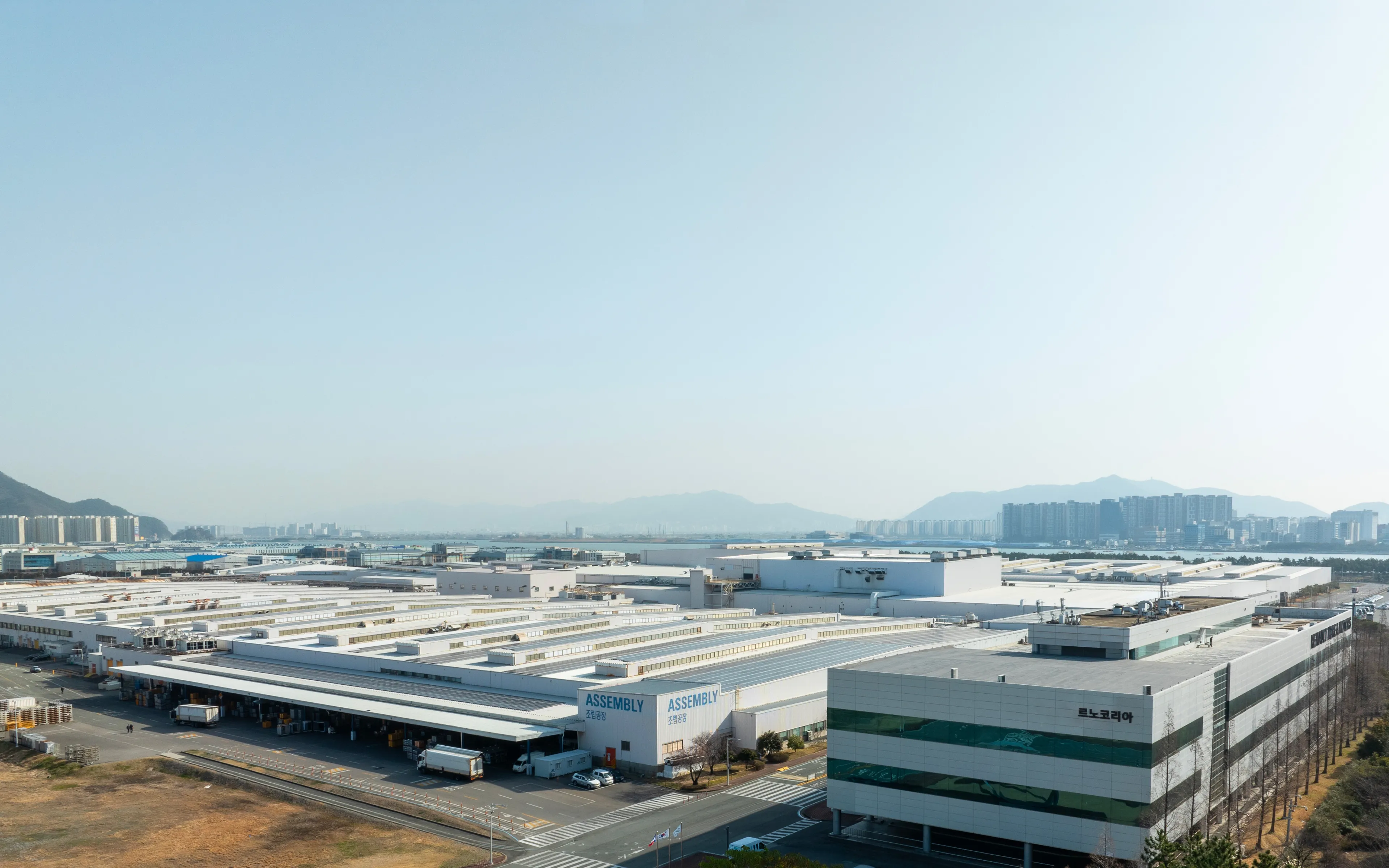
Renault Group’s plant in Busan, South Korea, stands out as a model of automotive production combining flexibility and high technology.
- Multi-energy versatility: a single line produces combustion, hybrid and electric vehicles.
- Maximum productivity: 881 robots and AMRs (Autonomous Mobile Robots) enable the assembly of 55 vehicles per hour.
- AI-driven quality control: 400 visual inspection points assisted by artificial intelligence detect any anomaly in real time.
Renault Group’s largest production facility in all of Asia sits in Busan, South Korea’s second-largest city and it’s a powerhouse. The Busan plant has served as a key hub not just for the group in Korea itself, but also for global exportation, since the past 25 years.
But with the automotive market in a constant state of flux as consumer choices, regulatory environments, and economic realities continually shift, the most crucial aspect of the Busan plant is its incredible versatility. By investing in the latest production technologies, and pioneering new ones along the way, Renault Group is able to meet the challenges facing car companies in Korea and beyond.
« We have the capability to manufacture a wide range of diversity on one single line. We have the skill, facilities, and know-how to always maintain a top level of quality even with high diversity … in high-end markets. »
Multi-energy is key
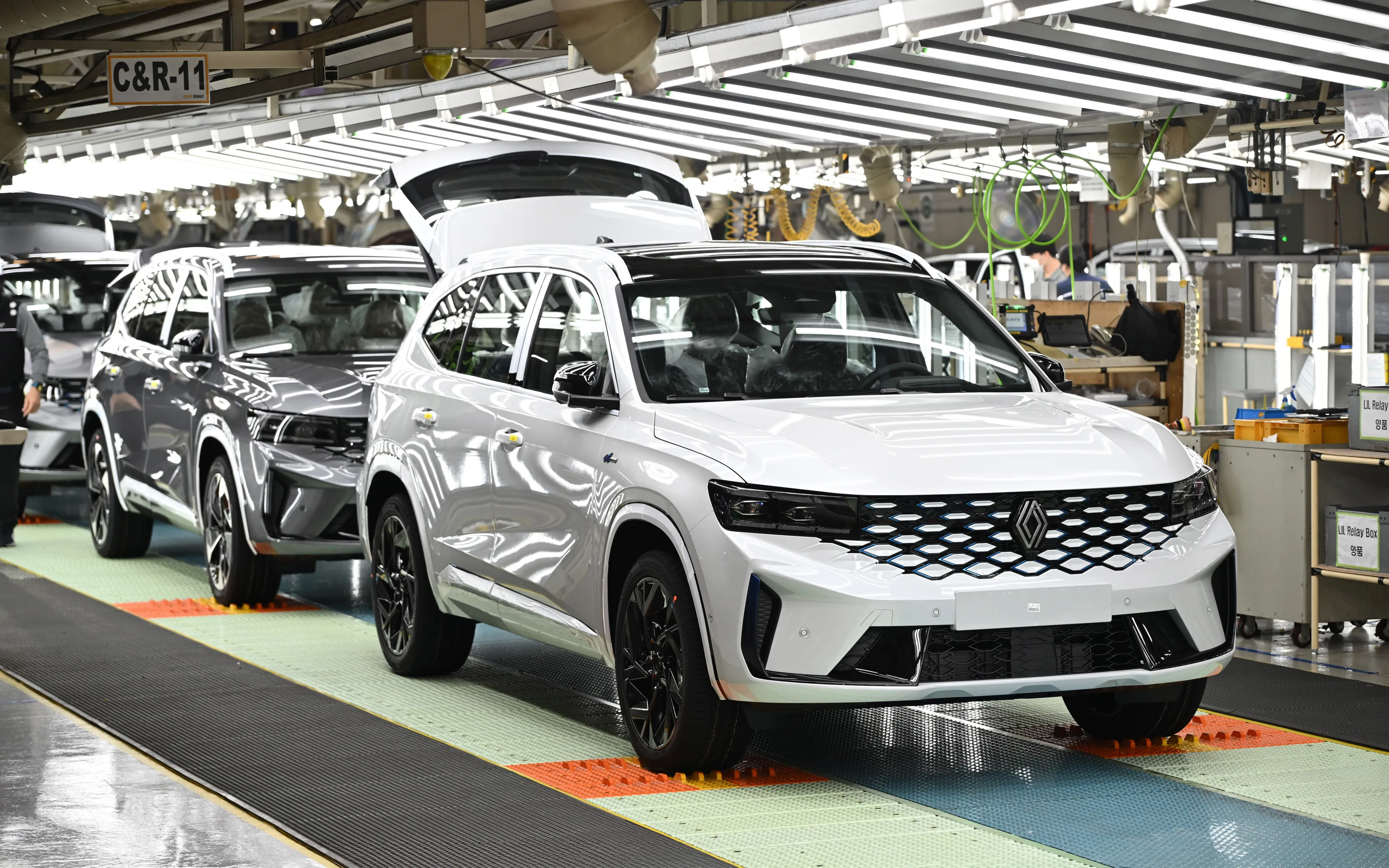
What does versatility look like in 2026? At Renault Group’s Busan plant, it’s best encapsulated by the ability to produce vehicles featuring not just internal combustion engines but also hybrid drivetrains and even full electric platforms, all on the same assembly line.
This multi-energy capacity is a true game-changer. Renault can ramp up vehicle production to satisfy the specific needs of any country served by the company’s portfolio, all without interfering with or pausing existing plans.
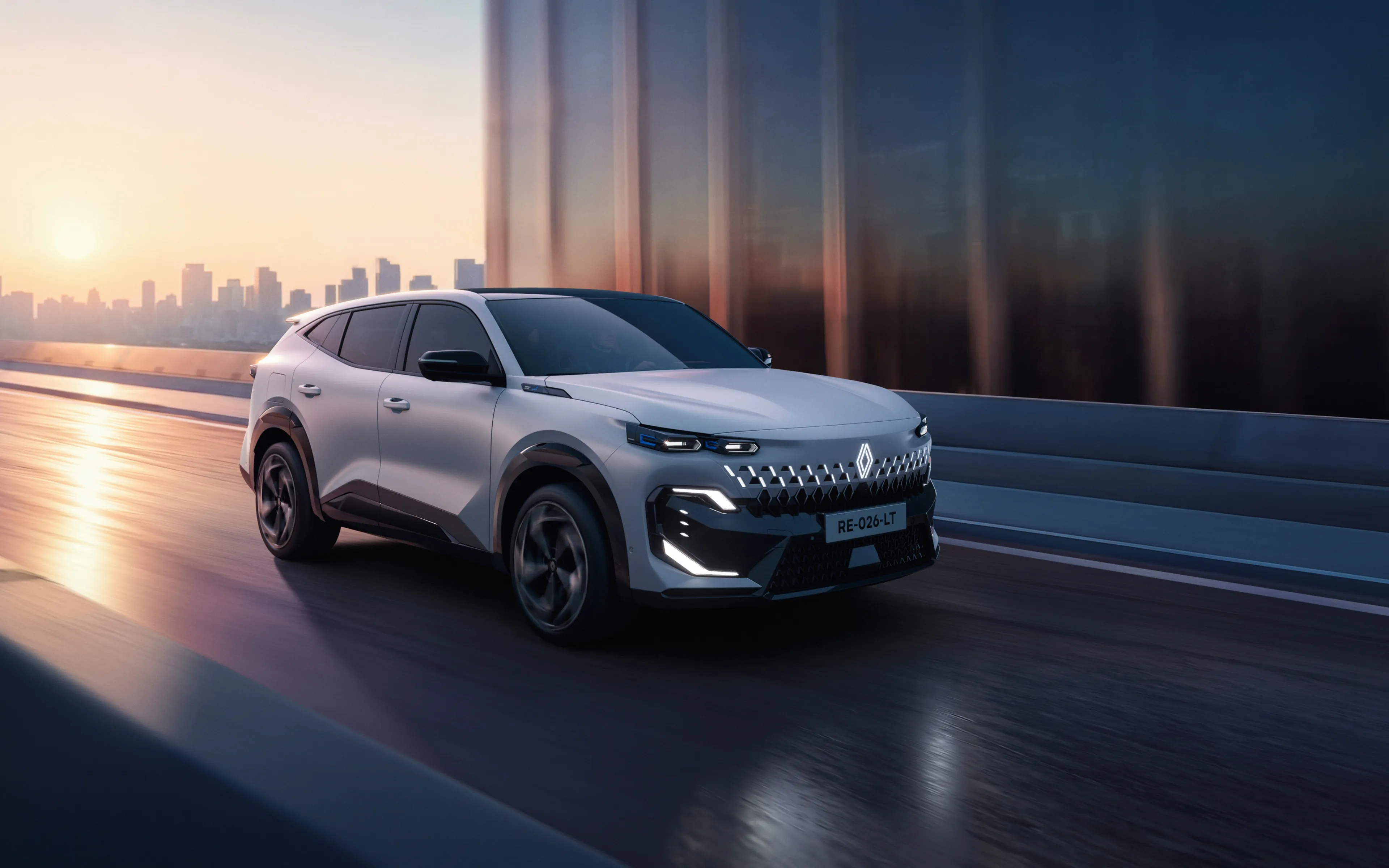
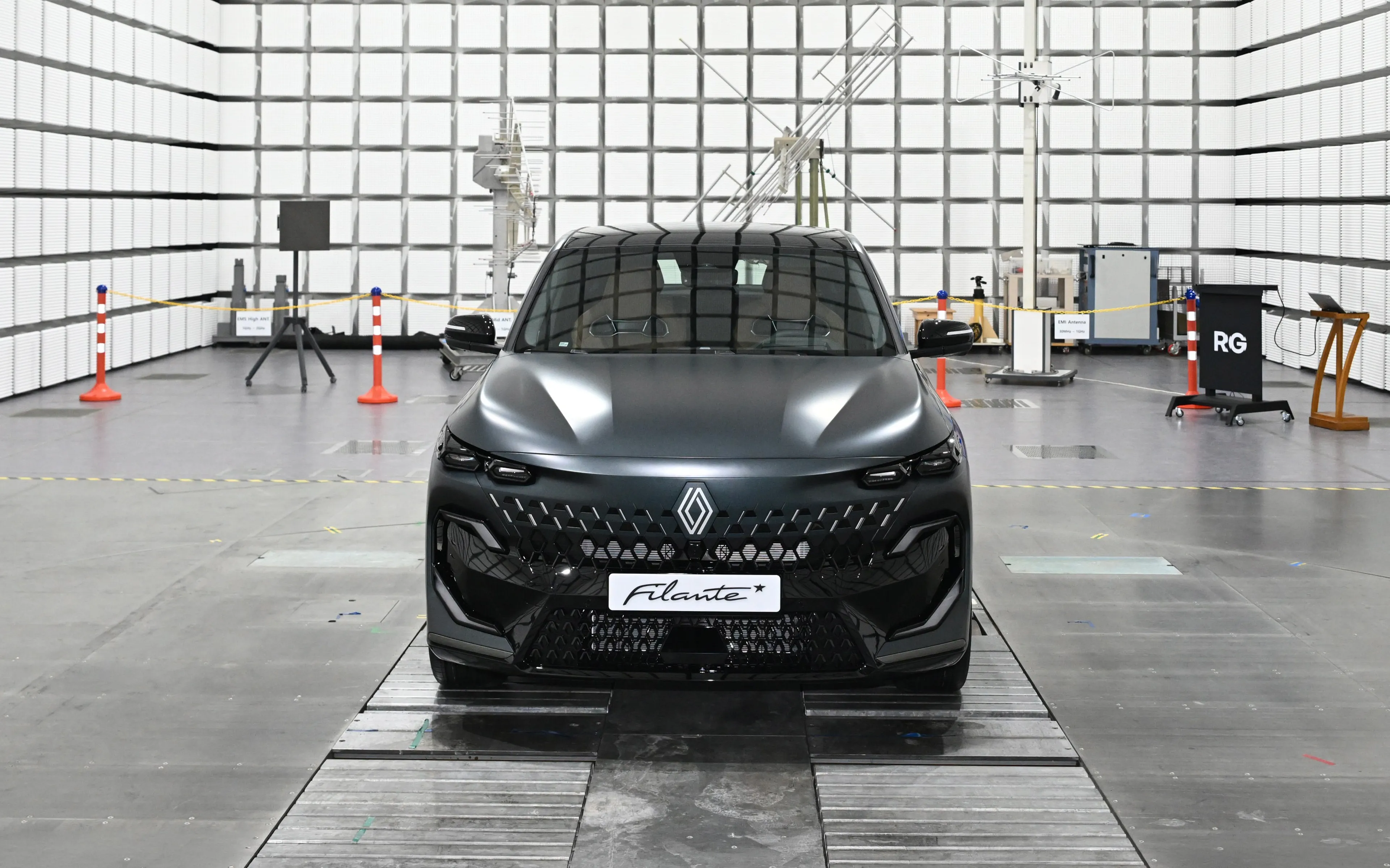
Taking advantage of this mix of ICE, HEV, and EV is made possible by the full integration of the facility’s body shop. With up to eight models possible on four separate platforms traveling down one single line, it’s a level of flexibility that makes international partnerships possible and keeps Busan at the forefront of the group’s global strategy. Busan is perfectly positioned to produce the mid- to large-size gas and hybrid crossovers such as Grand Koleos and Filante, while also mixing in the fully electric Polestar 4.
“We have a lot of diversity from sedan to SUV, from C-segment to E-segment, and from ICE hybrid to the BEV with different platforms,” says Lee. “We manage this diversity in one single common production line for efficiency.”
Autonomous support
At the heart of Busan’s productivity is an industrial process that allows for its trim and chassis line to fasten bodies to any vehicle regardless of what energy type it uses. It mixes the expertise of line workers performing crucial assembly tasks with 881 automated robots that work alongside them as part of the plant’s intelligent body assembly system. This allows for 55 cars per hour to make their way through the plant.
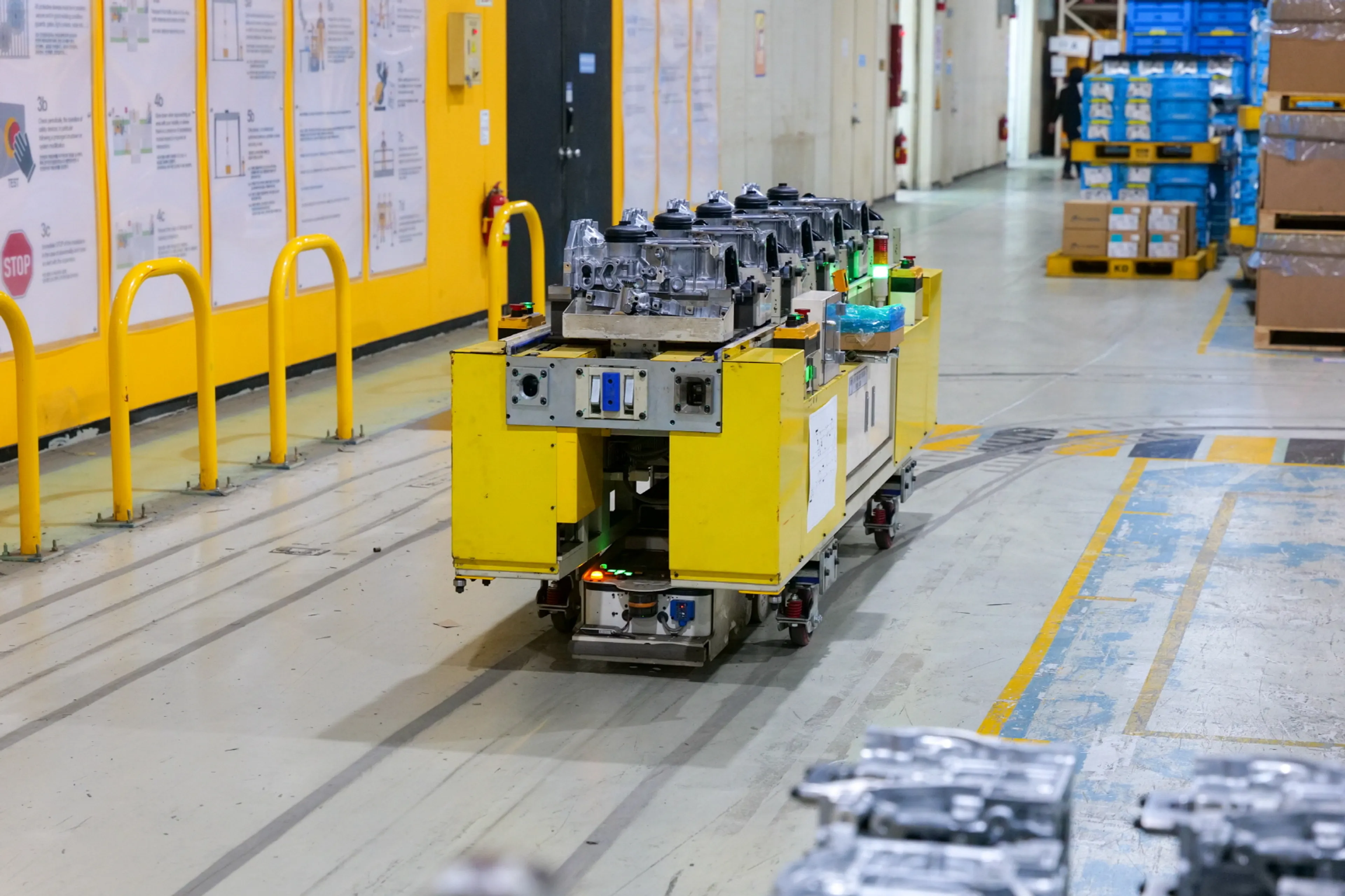
The line itself is supported by advanced autonomous systems that have evolved alongside its production methods. These include a fleet of autonomous mobile robots (AMRs) delivering components throughout the facility. In addition to improving overall efficiency, AMRs also boost safety across the board by keeping forklift operations off of the plant floor, which in turn protects the vast majority of human workers from potential injury. Busan is the first Renault Group plant to implement AMRs. The technology is being rolled out globally with more than 500 AMRs expected to be deployed by 2027 at Renault Group plants around the world.
Artificially intelligent eyes
Quality control has also benefited from Renault Group’s investment in high-tech systems. A torque quality management system, for example, validates that key fasteners have been tightened according to proper specification, and can even stop the line if it detects any deviation that could impact safety. This operates alongside automated systems that check each vehicle’s wiring harness for flaws, as well as those that calibrate the electronic control units (ECUs) and configure them for each specific model.
Visual tools play a larger and larger role at Busan as well. Simple concepts, like placing a camera on the robot arm that installs 12-volt batteries under the hood of each vehicle, have paid large dividends by ensuring exact placement each and every time.
The Busan plant also deploys artificial intelligence in vision control checks. These comprehensive camera-based systems are now found at 400 different points of inspection during production, with plans to almost triple that number by 2027. Renault uses high-definition cameras to compare images of vehicles coming down the line with their actual design, adding in AI to detect any mistakes, problems, or damage that might affect key aspects of a vehicle.
Vision checks are broken down by specific component and system: there are 116 inspection points for doors alone, for example, handled by 24 AI-vision cameras. Closed-circuit television cameras pinpoint and trace the origin of any defects that might be encountered.
No driver? No problem
Many of the lessons Renault Group has learned about autonomous systems and artificial intelligence inside its Busan plant are now being applied outside of it. In order to better handle the movement of completed vehicles from one part of the campus to another, the group is moving away from the practice of putting human workers behind the wheel of freshly-constructed cars. Instead, the existing advanced driver assistance features found in models like Grand Koleos will step in.
By tapping into the capabilities of its front camera and parking sensors, and tagging in technology partner Valeo, a pilot program at the Busan facility tasks Grand Koleos with following painted lanes and speed limit panels to drive itself forward, turn when required, and come to a stop so that it can park itself. In effect, this creates an ‘autonomous valet’ that speeds up and smoothes out inventory logistics.
The system, which is currently in the testing phases, also offers the chance to experiment with full remote control driving of these same vehicles. As part of a research program with Katech, these same models have also been equipped with remote control features in addition to their autonomous systems, which removes the need for a standby pool of human drivers should any vehicle experience sensor failure.
Building the future
The path to the future is linked to the steps taken today. The Busan plant’s embrace of autonomous technologies, alongside the watchful eye of artificial intelligence, boosts not just tomorrow’s vehicle quality and productivity, but also the safety and well-being of each of its employees, ensuring that it continues to serve as one of the company’s most important hubs.
FAQ
01
What characterizes the Busan plant?
02
What is the plant's production capacity?
03
What is an AMR and what is its role?
04
What role does computer vision play in quality checks?
Its versatility: it produces thermal, hybrid and electric vehicles on a single line, across four different platforms and up to eight models simultaneously.
The production unit can assemble up to 55 vehicles per hour.
An autonomous mobile robot (AMR) that transports components throughout the plant, replacing forklifts and reducing the risk of accidents. Busan is the first Renault plant to use them; more than 500 AMRs will be deployed worldwide by 2027.
High-definition cameras, combined with artificial intelligence, compare vehicles being produced against their design models in real time to detect any anomalies or damage.